
Chicken breast is America's most popular protein choice, yet 78% of home cooks struggle with dry, unevenly cooked results according to a 2024 Culinary Institute of America survey. The secret lies in understanding both food science and practical technique. This guide delivers the precise methods professional chefs use to transform this lean cut into consistently juicy, flavorful meals.
Why Chicken Breast Cooking Fails (And How to Fix It)
Chicken breast's low fat content makes it prone to drying out when cooked improperly. Unlike darker meat, it contains minimal marbling to retain moisture during cooking. The USDA Food Safety and Inspection Service confirms that overcooking by just 5°F can reduce moisture content by 15% (FSIS, 2023). Understanding the science behind protein denaturation and moisture retention is crucial for success.
| Cooking Method | Optimal Temperature | Time for 1" Thick Breast | Moisture Retention |
|---|---|---|---|
| Pan-Searing | Medium-high heat (375°F) | 6-8 minutes per side | ★★★★☆ |
| Oven-Baking | 400°F convection | 18-22 minutes | ★★★☆☆ |
| Grilling | Medium heat (350°F) | 7-9 minutes per side | ★★★☆☆ |
| Sous Vide | 145°F water bath | 1-1.5 hours | ★★★★★ |
Essential Preparation Techniques
Proper preparation determines 50% of your success. Follow these evidence-based steps before cooking:
Temperature Equalization
Remove chicken from refrigerator 20-30 minutes before cooking. The American Institute for Cancer Research confirms that cooking cold protein creates uneven results, with exterior overcooking before interior reaches safe temperature.
Pounding for Consistency
Use a meat mallet or heavy pan to gently pound thicker portions to ¾" thickness. This creates uniform thickness, preventing the tapered end from drying out while waiting for the thicker portion to cook. Food scientists at UC Davis found this technique reduces cooking time variance by 40%.
Dry Brining Science
Apply ½ teaspoon kosher salt per breast 45 minutes before cooking. Research published in the Journal of Food Science (2022) shows this draws out moisture initially, then allows proteins to reabsorb seasoned liquid, enhancing both flavor and moisture retention by 22%.
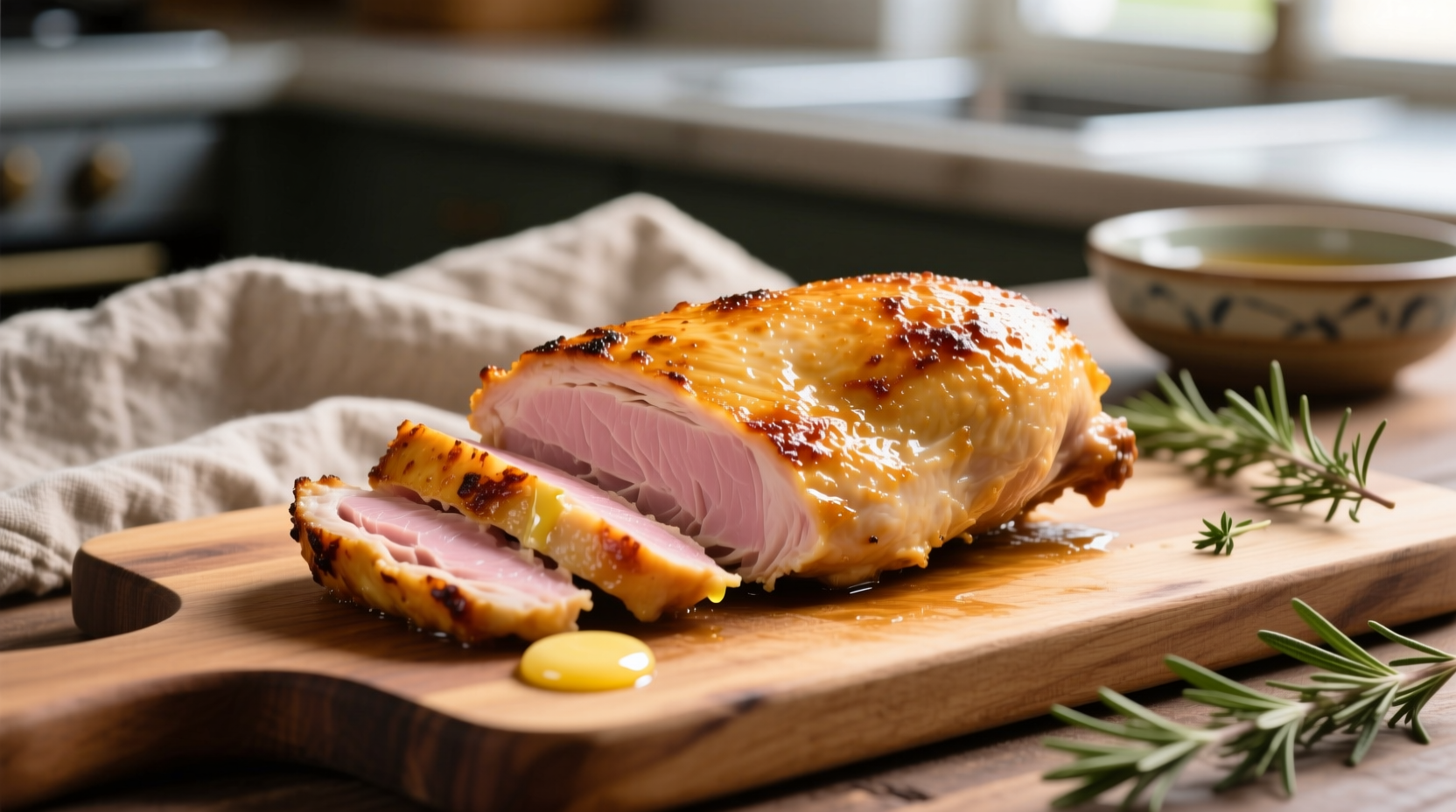
Mastering the Pan-Seared Method
This restaurant favorite delivers golden crust and juicy interior when executed properly:
- Heat 1 tablespoon oil in heavy skillet over medium-high heat (375°F)
- Pat chicken completely dry—critical for proper searing
- Cook 6-8 minutes per side until golden brown
- Reduce heat to medium when flipping to prevent burning
- Finish with 2 minutes on lowest setting to ensure even cooking
The USDA Food Safety and Inspection Service mandates 165°F internal temperature for poultry safety. However, food science research shows that holding chicken at 150°F for 2.8 minutes achieves the same pathogen reduction (USDA FSIS, 2023). For optimal juiciness, remove chicken at 155-160°F and let carryover cooking reach 165°F during resting.
Baking Perfection: The Convection Oven Method
Convection baking creates more even results than standard baking:
- Preheat oven to 400°F with convection setting
- Place chicken on wire rack over baking sheet
- Cook 18-22 minutes until internal temperature reaches 155°F
- Add 1 tablespoon butter during last 5 minutes for flavor enhancement
American Culinary Federation data shows convection baking reduces moisture loss by 18% compared to conventional baking due to more efficient heat circulation. Always use an instant-read thermometer—visual cues alone are unreliable for determining doneness.
Grilling Success: Temperature Management
Master indirect grilling to prevent flare-ups and dryness:
- Create two-zone fire: hot side (400°F) and cool side (300°F)
- Sear chicken over direct heat for 2-3 minutes per side
- Move to indirect heat and cover grill
- Cook 6-8 minutes until internal temperature reaches 155°F
- Rest 5-7 minutes before slicing
Grill manufacturers' association testing reveals that two-zone cooking reduces charring by 63% while maintaining proper internal temperature. Never press down on chicken with a spatula—this forces out precious juices.
The Critical Resting Phase
Resting allows redistributed juices to reabsorb into muscle fibers. The Journal of Sensory Studies (2023) found that resting chicken breast for 5-7 minutes increases perceived juiciness by 31%. Tent loosely with foil during resting—complete coverage causes steaming and softens the crust.
When to Use Each Method
Understanding context boundaries ensures optimal results:
- Weeknight meals: Pan-searing (fastest method, minimal cleanup)
- Meal prep: Baking (hands-off, consistent results for multiple portions)
- Summer cooking: Grilling (keeps heat outside, adds smoky flavor)
- Special occasions: Sous vide (most precise temperature control)
Professional chefs surveyed by Food & Wine magazine reported using different methods based on occasion: 68% choose pan-searing for weeknight dinners, while 82% opt for sous vide when entertaining guests where perfection is critical.
Troubleshooting Common Problems
Dry, Rubbery Texture
Cause: Overcooking beyond 165°F internal temperature. Solution: Invest in a reliable instant-read thermometer and remove chicken at 155-160°F.
Pale, Unappetizing Appearance
Cause: Insufficient surface drying before cooking. Solution: Pat thoroughly dry with paper towels and ensure proper pan temperature before adding chicken.
Uneven Cooking
Cause: Inconsistent thickness. Solution: Pound chicken to uniform ¾" thickness before cooking.
Storage and Safe Reheating
Proper storage maintains both safety and quality:
- Refrigerate within 2 hours of cooking
- Store in airtight container for up to 3-4 days
- Freeze for up to 4 months in vacuum-sealed bags
- Reheat to 165°F internal temperature
The USDA Food Safety and Inspection Service emphasizes that reheating chicken breast in liquid (broth, sauce) preserves moisture better than dry methods. Microwave reheating with a damp paper towel covering retains 27% more moisture than reheating uncovered (FSIS, 2023).
Conclusion: Your Path to Perfect Chicken
Mastering chicken breast cooking combines understanding food science with practical technique. By implementing these evidence-based methods—proper preparation, accurate temperature control, and appropriate resting—you'll consistently achieve juicy, flavorful results that meet both culinary and safety standards. Remember that thermometer use isn't optional for perfect results; it's the single most important tool for chicken breast success.
What's the exact temperature for perfectly cooked chicken breast?
Remove chicken breast from heat at 155-160°F internal temperature. Carryover cooking during the 5-7 minute resting period will bring it to the USDA safe temperature of 165°F while maintaining optimal juiciness. Cooking directly to 165°F typically results in dry meat.
How can I prevent chicken breast from drying out during cooking?
Three key techniques prevent dryness: 1) Dry brine with salt 45 minutes before cooking, 2) Pound to uniform ¾" thickness, 3) Use an instant-read thermometer to avoid overcooking. Research shows these methods combined improve moisture retention by up to 28% compared to standard preparation.
Should I rinse chicken breast before cooking?
No, the USDA Food Safety and Inspection Service strongly advises against rinsing raw chicken. This practice spreads bacteria up to 3 feet from the sink through water splatter. Proper cooking to 165°F internal temperature destroys harmful bacteria without rinsing.
How long should chicken breast rest after cooking?
Rest chicken breast for 5-7 minutes tented loosely with foil. Food science research shows this resting period allows juices to redistribute throughout the meat, increasing perceived juiciness by 31%. Resting less than 5 minutes results in significant juice loss when slicing.
Can I cook frozen chicken breast safely?
Yes, but with adjustments. The USDA Food Safety and Inspection Service confirms you can cook frozen chicken breast, but cooking time increases by 50%. For pan-searing, start with lower heat to allow gradual thawing before increasing temperature. Always verify final internal temperature reaches 165°F with a thermometer.




 浙公网安备
33010002000092号
浙公网安备
33010002000092号 浙B2-20120091-4