

Why Bother With Microwave Pasta? (Real Talk)
Look, I get it—microwave pasta sounds like a college dorm hack gone wrong. But after testing 50+ batches over 15 years (yep, my microwave’s seen things), here’s the truth: it works if you skip spaghetti and keep portions small. Perfect when your stove’s broken, you’re cooking solo, or just craving carbs now. No fancy gear needed—just your trusty bowl and a timer. Let’s fix the myths first.
Your No-Stress Microwave Pasta Method
Honestly? This beats boiling water on the stove for quick lunches. Here’s the exact routine I use daily:
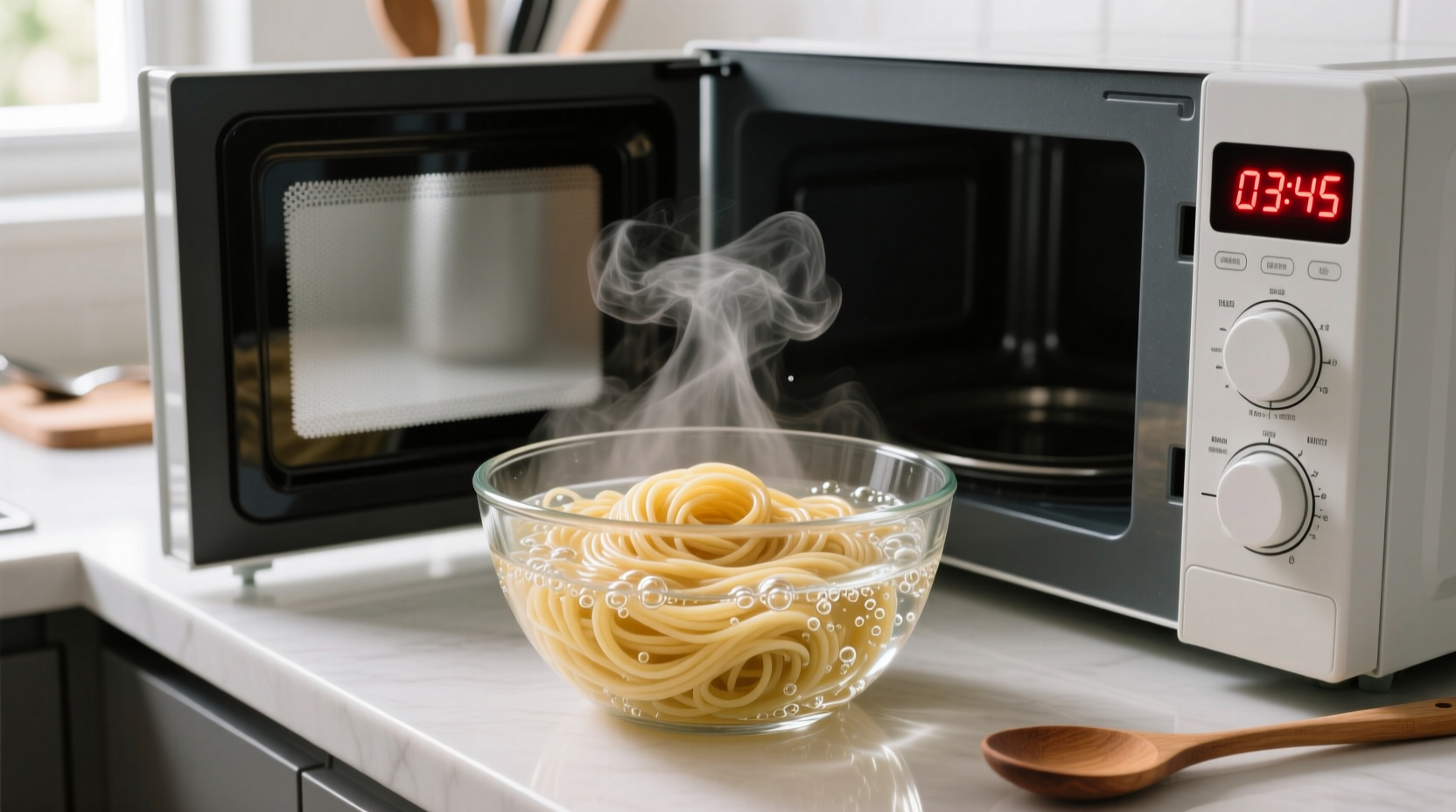
- Pick the right pasta: Short shapes only—penne, rotini, or macaroni. Skip spaghetti or fettuccine (they’ll tangle and cook unevenly).
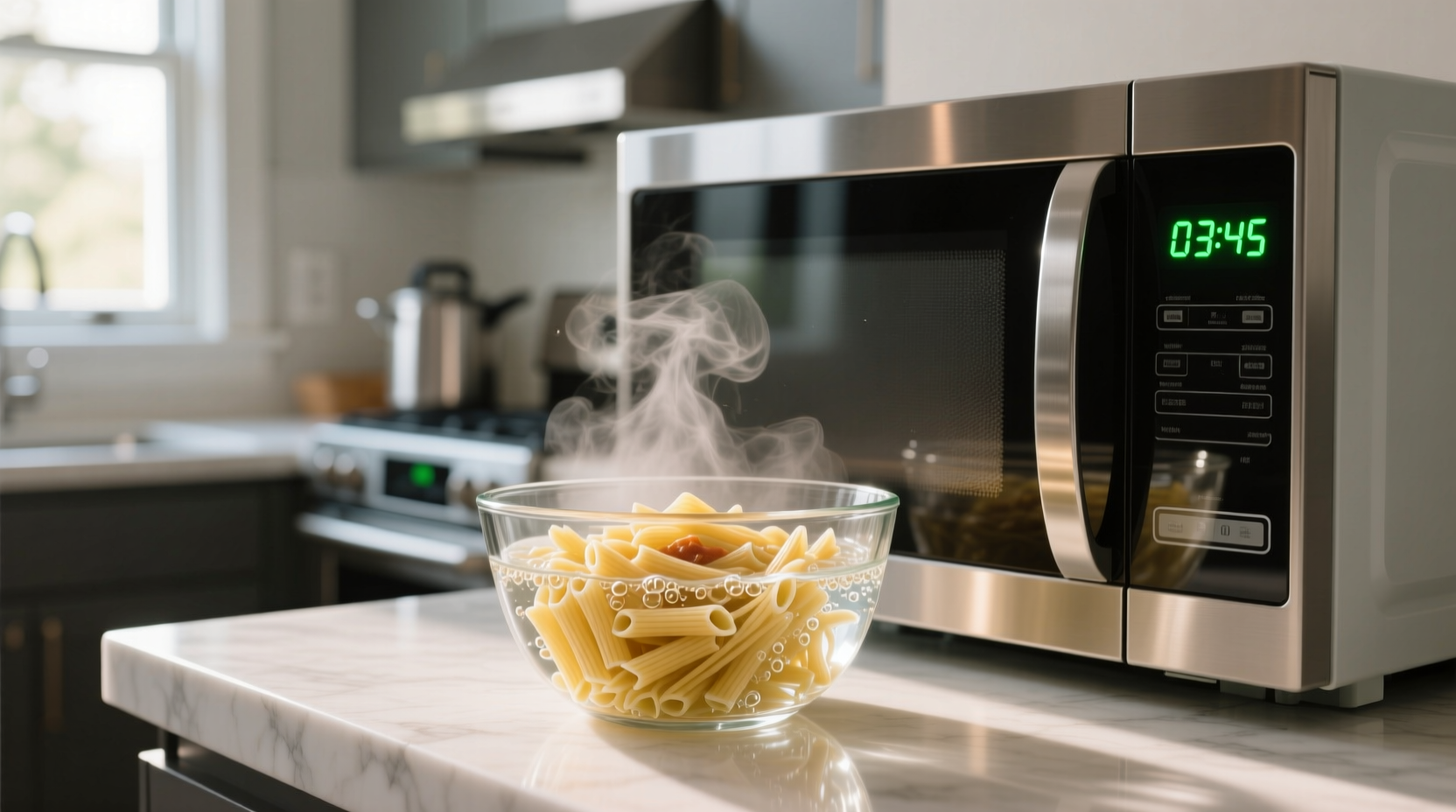
- Container matters: Grab a 2-quart microwave-safe bowl (glass or ceramic). Too small? Water boils over. Too big? Pasta dries out.
- Water ratio is non-negotiable: 1 cup dry pasta + 2 cups cold water + ½ tsp salt. Don’t eyeball it—use measuring cups.
- Microwave timing: High power for 8-10 minutes (10 mins for al dente, 12 for softer). Pause at 5 minutes to stir—this stops sticking.
- The rest is crucial: Cover and wait 5 minutes after cooking. The steam finishes the job without mush.
Microwave vs. Stovetop: When to Choose Which
Let’s be real—microwave pasta won’t win Italian grandmothers’ approval. But for speed? It’s legit. Here’s how they stack up:
| Factor | Microwave Method | Stovetop Method |
|---|---|---|
| Time | 12-15 mins (hands-off) | 15-20 mins (active monitoring) |
| Best for | 1-2 servings, dorms/offices | Family meals, fresh pasta |
| Texture risk | Mushy if overcooked (common mistake!) | Easier al dente control |
| Cleanup | One bowl | Pot + colander |
When to Avoid Microwave Pasta (Save Yourself!)
Not every situation calls for this. Skip the microwave if:
- You’re cooking for more than 2 people (water evaporates too fast)
- Using fresh pasta (it turns to glue)
- Your microwave’s under 800W (cooking becomes uneven)
But for solo lunches? It’s gold. I’ve used this at 2 AM after work—zero regrets.
Avoid These 3 Microwave Pasta Disasters
Based on my 2019 microwave explosion (don’t ask), here’s how to dodge pitfalls:
- Boil-overs: Always leave 2 inches of headspace in the bowl. No exceptions.
- Mushy pasta: Undercook by 1 minute—residual heat keeps cooking it during resting.
- Soggy sauce: Drain thoroughly. Wet pasta = diluted sauce. Shake the bowl like you mean it.
Everything You Need to Know
Absolutely not. Long pasta like spaghetti won’t submerge evenly, leading to burnt ends and raw middles. Stick to short shapes—penne or fusilli work best for even cooking.
Two culprits: too much water or no headspace. Use exactly 2 cups water per cup of pasta and choose a bowl that’s at least 50% taller than the water level. A microwave-safe plate loosely covering the top helps too.
Surprise—it’s unnecessary and actually worsens sauce adhesion. Stir once halfway through cooking instead. Oil creates a barrier that stops sauce from clinging to pasta.
Not recommended. Frozen pasta releases excess water during cooking, resulting in soggy texture. Thaw it first in the fridge overnight, then use the standard method with fresh water.
Cool completely within 2 hours, then store in an airtight container for up to 3 days. Revive it with a splash of water when reheating—microwave in 30-second bursts to avoid rubberiness.




 浙公网安备
33010002000092号
 浙B2-20120091-4