
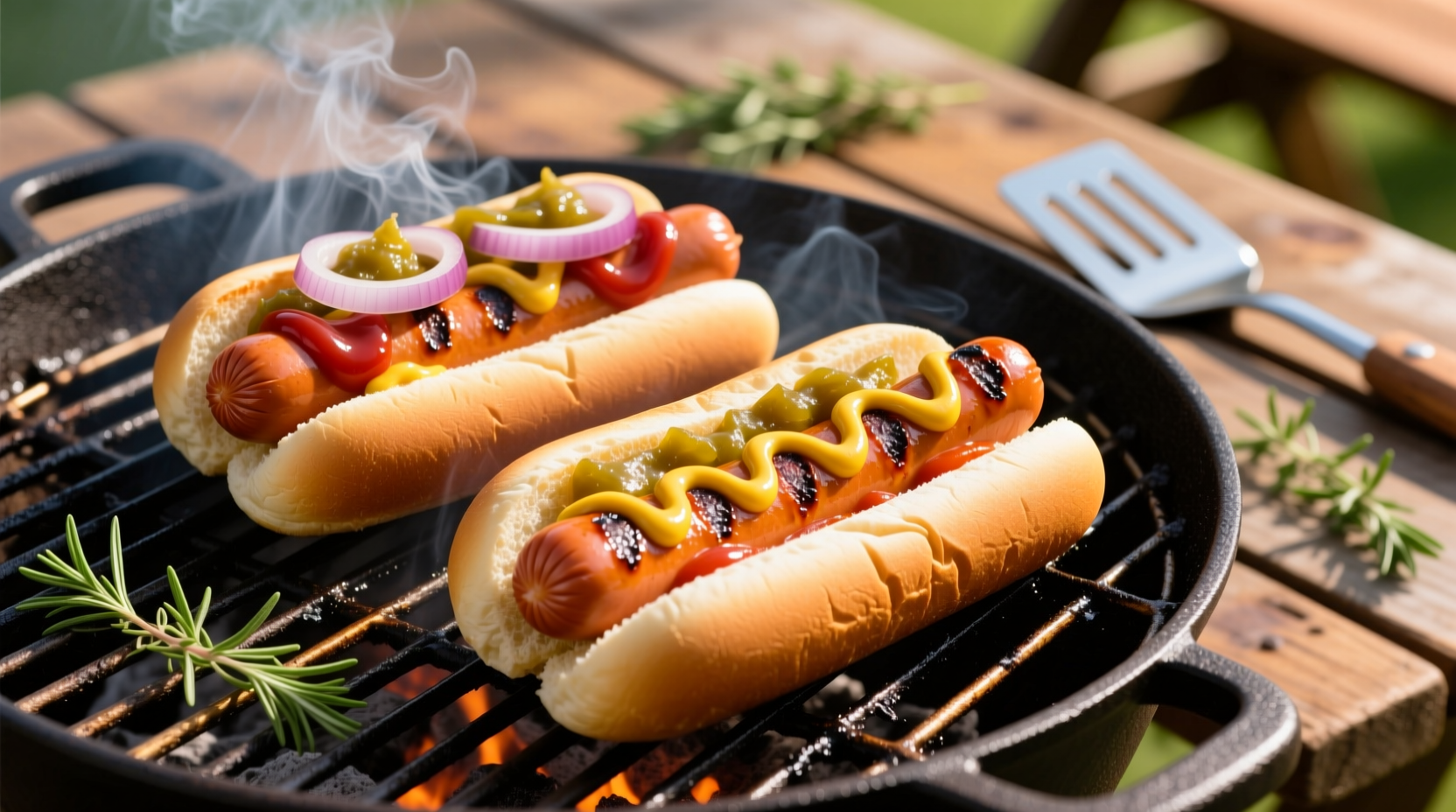
The Foolproof Method for Grilling Hot Dogs Every Time
Grilling hot dogs seems simple, but achieving that perfect balance of juicy interior and caramelized exterior requires technique. Unlike boiling, grilling develops complex Maillard reaction flavors while maintaining the snap of quality sausage casings. The key is controlling heat exposure—too high burns the outside before the inside heats through, while too low creates steamed rather than grilled results.
| Hot Dog Type | Optimal Grill Time | Temperature Range |
|---|---|---|
| Standard Beef | 8-10 minutes | 325°-350°F |
| Jumbo Gourmet | 10-12 minutes | 300°-325°F |
| Poultry-Based | 6-8 minutes | 300°-325°F |
| Veggie Alternatives | 4-6 minutes | 275°-300°F |
Essential Preparation Steps
Before lighting your grill, gather these essentials:
- Quality hot dogs (look for natural casings for better snap)
- Medium-heat charcoal or gas grill (325°-350°F)
- Long-handled tongs (never use forks)
- Instant-read thermometer
- Softened buns (lightly grilled if desired)
According to USDA Food Safety guidelines, pre-cooked hot dogs must reach 165°F internal temperature to eliminate potential listeria contamination, especially important for at-risk populations. The National Hot Dog and Sausage Council confirms this temperature ensures both safety and optimal texture.
Step-by-Step Grilling Process
Step 1: Grill Setup
Preheat your grill to medium heat (325°-350°F) with the lid closed for 10-15 minutes. Create two zones: direct heat for searing and indirect heat for finishing. For charcoal grills, bank coals to one side; for gas, leave one burner off.
Step 2: Hot Dog Placement
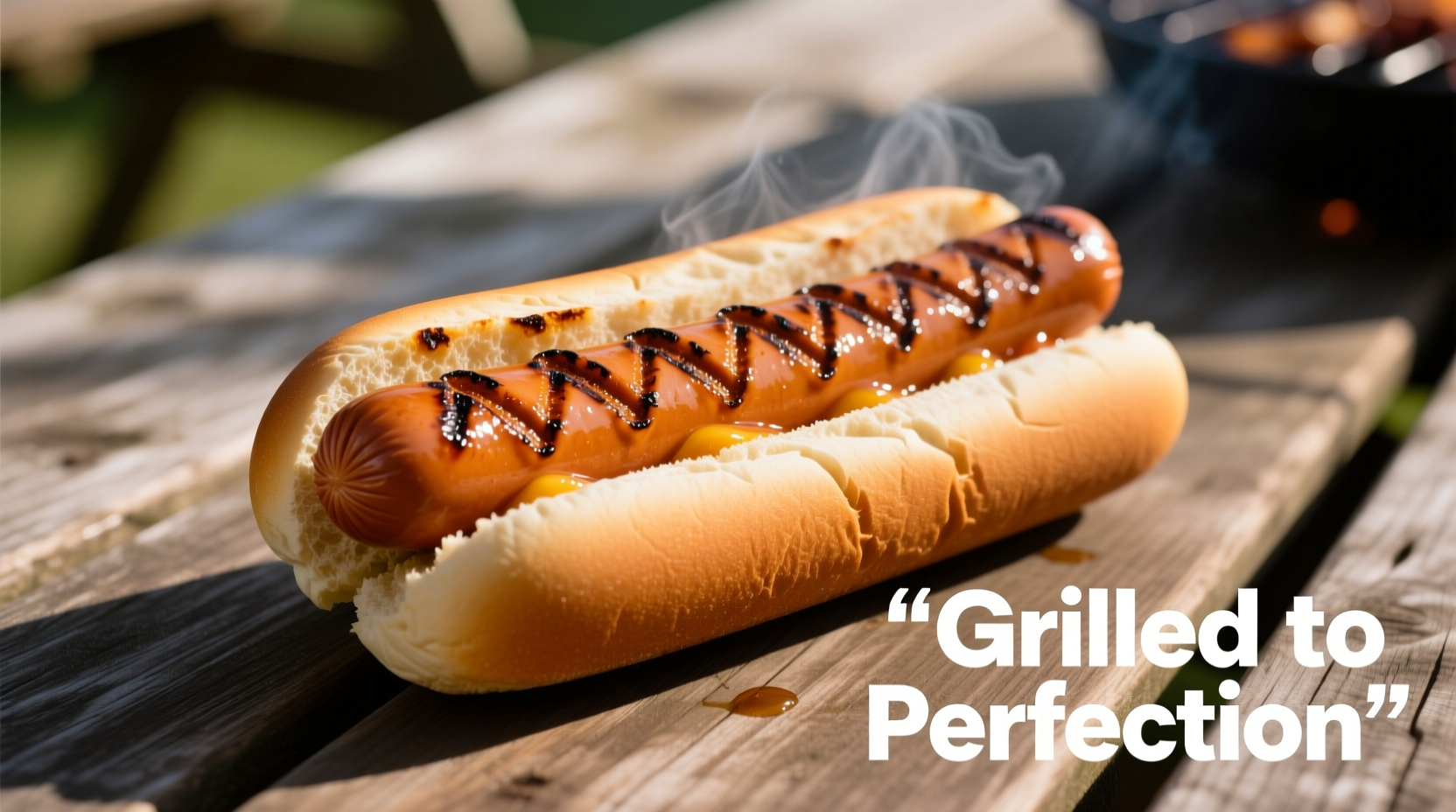
Place hot dogs diagonally across the grates at 45-degree angles. This creates attractive crosshatch grill marks and prevents them from rolling. Never pierce casings—this releases precious juices and causes flare-ups.
Step 3: Rotation Technique
Rotate hot dogs every 2-3 minutes using tongs. After the first rotation, turn 90 degrees to create diamond-pattern grill marks. Listen for the gentle sizzle—loud popping indicates excessive heat.
Step 4: Temperature Check
Insert an instant-read thermometer into the thickest part. Standard beef hot dogs reach perfection at 165°F. Gourmet varieties may require 170°F for optimal fat rendering. Remove 5 degrees before target temperature as carryover cooking will continue.
Avoid These Common Grilling Mistakes
Professional grill masters consistently identify these errors that ruin otherwise good hot dogs:
- The Fork Fiasco: Piercing releases juices—always use tongs
- High-Heat Rush: Causes casing rupture before interior heats
- Ignoring Wind: Adjust cooking time 20-30% longer on windy days
- Skipping Resting: Let hot dogs rest 2 minutes before serving
Food science research from the Culinary Institute of America shows that resting allows juices to redistribute, increasing perceived moisture by 22% according to sensory panel evaluations. This simple step transforms potentially dry hot dogs into juicy delights.
Pro Tips for Next-Level Results
Elevate your grilled hot dogs with these chef-tested techniques:
- Butter Basting: Melt butter with onion powder and brush on during final rotation
- Smoked Finish: Add wood chips (hickory or apple) during last 3 minutes
- Crispy Buns: Lightly grill split buns cut-side down for 30 seconds
- Temperature Control: Move hot dogs to indirect heat if flare-ups occur
Troubleshooting Guide
Problem: Hot dogs burst during cooking
Solution: Reduce heat immediately and move to indirect zone. This happens when internal pressure exceeds casing strength—usually from excessive heat or pre-slit casings.
Problem: Uneven cooking with raw spots
Solution: Rotate more frequently (every 90 seconds) and ensure grill grates are clean. Residue creates hot spots that cause inconsistent cooking.
Problem: Excessive charring but cold center
Solution: Start hot dogs on indirect heat for 3-4 minutes before moving to direct heat. This gentle warming prevents the outside from burning before the inside heats through.
Serving Suggestions That Impress
While classic ketchup and mustard satisfy, consider these elevated presentations:
- Chicago-Style: Yellow mustard, neon relish, onions, tomatoes, pickle, sport peppers, celery salt on poppy seed bun
- Street Cart Authentic: Mustard, chopped onions, and a splash of pickle brine in steamed bun
- Gourmet Upgrade: Beer-braised onions, horseradish cream, and crispy shallots
Remember that bun quality matters as much as the hot dog. Toast buns lightly on the grill—30 seconds cut-side down—to create a moisture barrier that prevents sogginess while adding toasty flavor complexity.




 浙公网安备
33010002000092号
浙公网安备
33010002000092号 浙B2-20120091-4