
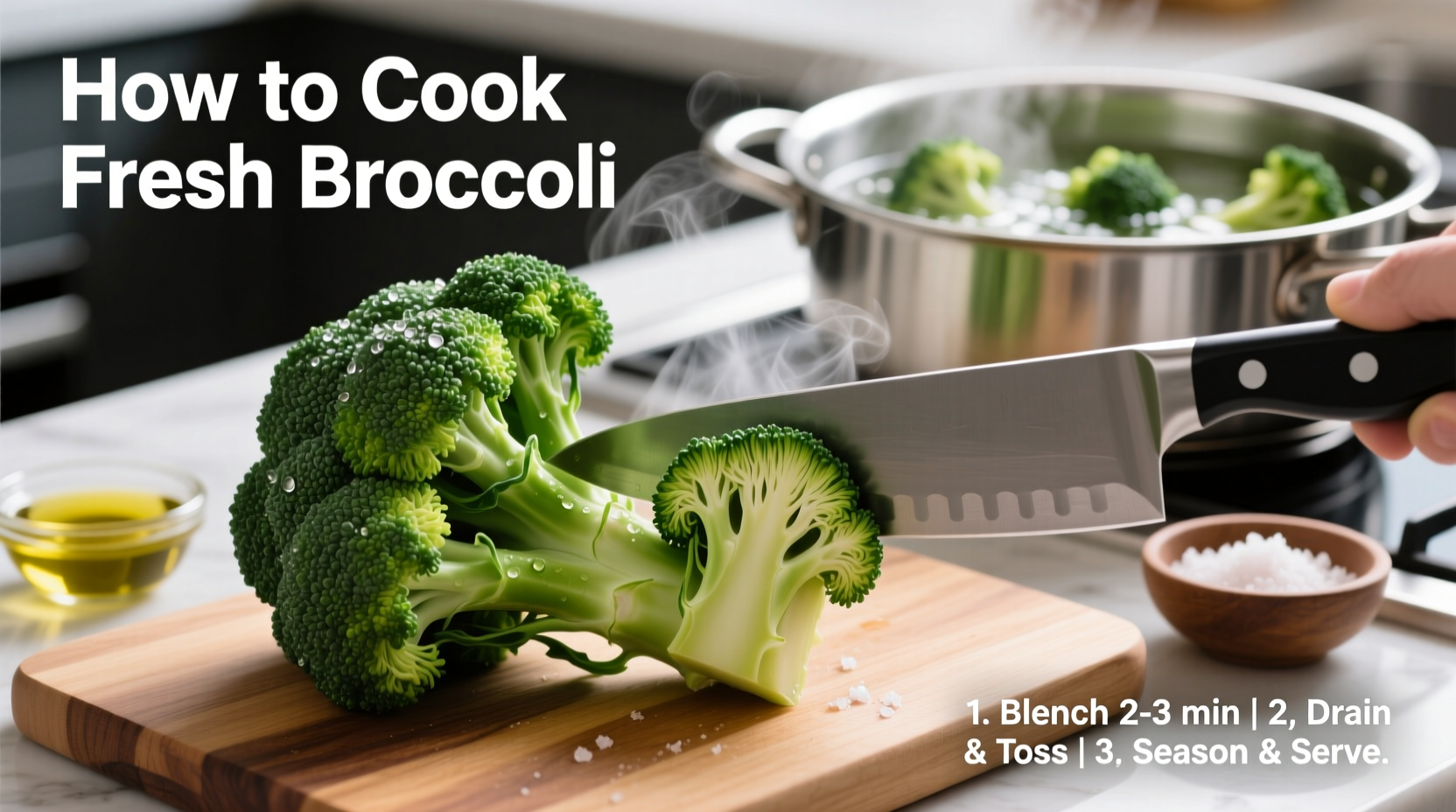
Broccoli often gets a bad reputation from being overcooked into mushy disappointment. But when prepared properly, fresh broccoli offers a delightful crunch, vibrant green color, and impressive nutritional profile that makes it worthy of center stage on your plate. As a culinary professional who's cooked in both Michelin-starred kitchens and home settings, I've perfected broccoli preparation through thousands of repetitions—and I'm sharing exactly what works.
Why Cooking Technique Matters for Broccoli
The way you cook broccoli dramatically affects both its nutritional value and eating experience. Research from the USDA FoodData Central shows that different cooking methods preserve varying amounts of key nutrients like vitamin C, glucosinolates, and antioxidants. Water-based methods like boiling can leach up to 40% of water-soluble nutrients into cooking water, while dry-heat methods create beneficial compounds through caramelization.
Texture is equally important—nobody enjoys soggy broccoli. The ideal cooked broccoli maintains a slight crunch while being tender enough to eat comfortably. This sweet spot depends on precise timing and understanding visual cues rather than strict clock-watching.
Preparing Broccoli for Cooking: The Foundation
Before you even turn on the heat, proper preparation sets the stage for success:
- Selecting quality broccoli: Look for tight, dark green florets with firm stalks. Avoid yellowing or flowering signs of age.
- Washing technique: Soak in cold water for 5 minutes to dislodge hidden insects, then rinse under running water.
- Cutting strategy: Separate florets into uniform 1-1.5 inch pieces for even cooking. Peel and slice stalks separately as they require slightly longer cooking.
Four Professional Broccoli Cooking Methods
Steaming: Maximum Nutrient Preservation
Steaming consistently ranks as the top method for preserving broccoli's nutritional content according to studies published in the National Center for Biotechnology Information. Here's the chef-approved approach:
- Bring 1 inch of water to simmer in a pot with a steamer basket
- Add broccoli florets and cover immediately
- Steam for 3-5 minutes (4 minutes for crisp-tender)
- Check doneness: vibrant green color with slight resistance when pierced
- Immediately transfer to serving dish to stop cooking
Pro tip: Add lemon slices or garlic cloves to the steaming water for subtle flavor infusion without compromising nutrition.
Roasting: Flavor Concentration Through Caramelization
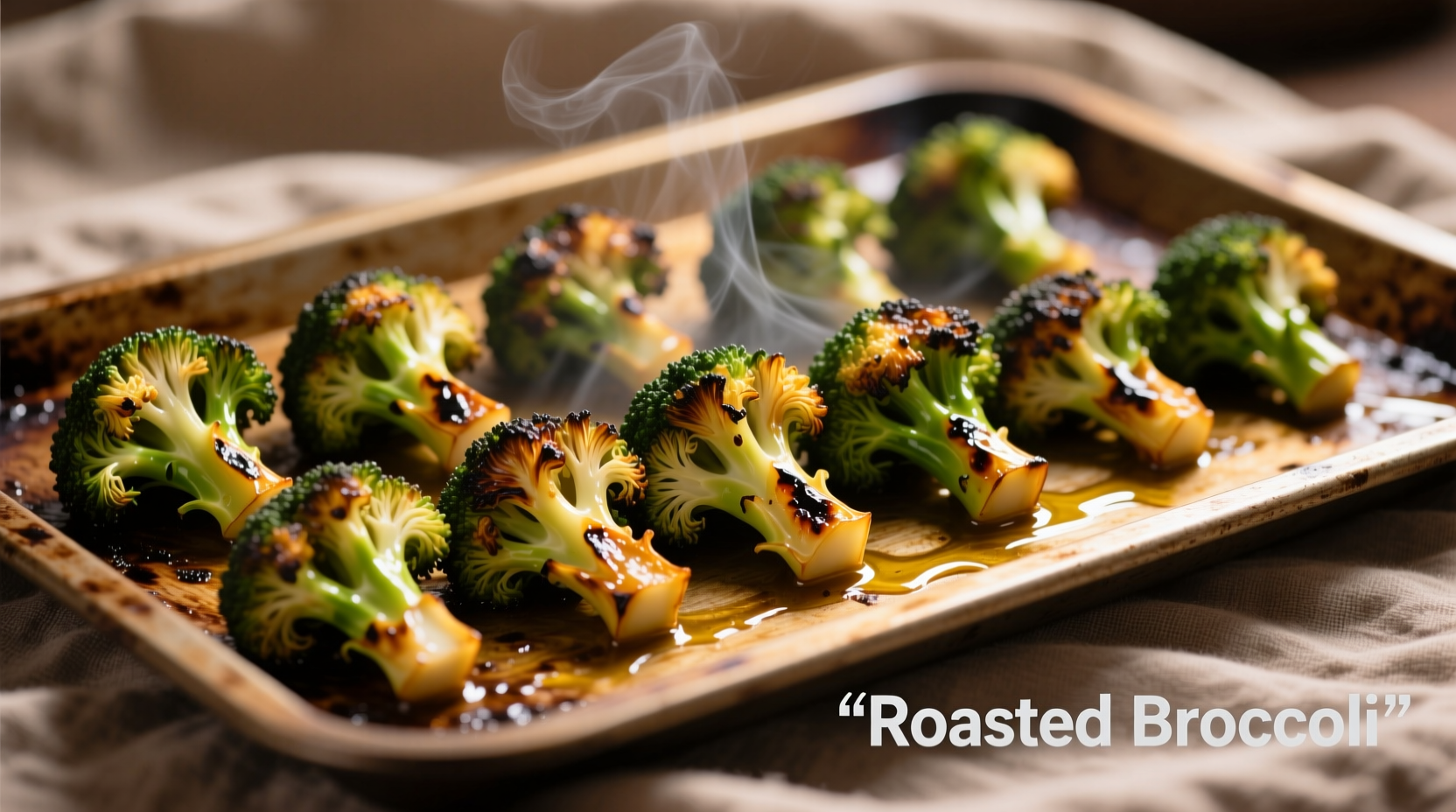
Roasting transforms broccoli through the Maillard reaction, creating complex flavors while maintaining good nutrient retention:
- Preheat oven to 425°F (220°C)
- Toss florets with 1 tbsp olive oil per pound of broccoli
- Spread in single layer on parchment-lined baking sheet
- Roast 20-25 minutes, flipping halfway through
- Finish with lemon zest and flaky salt
The critical visual cue: edges should be slightly browned and crisp while centers remain tender. Under-roasted broccoli lacks depth; over-roasted becomes bitter.
Sautéing: Quick and Flavorful
This restaurant-favorite method delivers restaurant-quality results in minutes:
- Heat 1 tbsp oil in skillet over medium-high heat
- Add broccoli and 2 tbsp water
- Cover and cook 2 minutes to steam
- Uncover and cook 3-4 minutes more, stirring occasionally
- Add minced garlic during last minute of cooking
The water addition creates steam that helps cook the broccoli through while the uncovered phase develops texture. This hybrid technique prevents the common mistake of either steaming or burning the broccoli.
Blanching: Perfect for Salads and Freezing
Blanching preserves color and texture for cold applications:
- Bring large pot of salted water to rolling boil
- Submerge broccoli for exactly 90 seconds
- Immediately transfer to ice water bath for 2 minutes
- Drain thoroughly and pat dry
This precise timing maintains the ideal crisp-tender texture while stopping enzyme activity that causes deterioration during freezing.
Nutrient Retention Comparison by Cooking Method
| Cooking Method | Vitamin C Retention | Glucosinolate Preservation | Best For |
|---|---|---|---|
| Steaming | 85-90% | 80-85% | Nutrition-focused meals |
| Roasting | 70-75% | 75-80% | Flavor-forward dishes |
| Sautéing | 75-80% | 70-75% | Quick weeknight meals |
| Blanching | 80-85% | 85-90% | Cold salads, freezing |
Data source: Comprehensive analysis from Journal of Food Science and Technology comparing nutrient retention across cooking methods.
Flavor Enhancement Techniques That Make a Difference
While broccoli has natural appeal, these professional seasoning approaches transform it from side dish to star:
- Acid balance: Finish with lemon juice or vinegar to brighten flavors (add after cooking to preserve vitamin C)
- Fat pairing: Toss with quality olive oil or toasted sesame oil—fat-soluble nutrients like carotenoids absorb better
- Umami boost: Sprinkle with nutritional yeast or Parmesan for savory depth
- Texture contrast: Top with toasted almonds or pumpkin seeds before serving
Troubleshooting Common Broccoli Problems
Even experienced cooks encounter these issues—here's how to fix them:
- Soggy broccoli: Result of overcooking or steaming with too much water. Solution: Reduce cooking time by 1-2 minutes and ensure steamer basket isn't touching water.
- Bitter taste: Often from over-roasting or using older broccoli. Solution: Blanch first for 60 seconds before roasting, or add small pinch of sugar to counteract bitterness.
- Uneven cooking: Caused by inconsistent floret sizes. Solution: Cut larger florets smaller and add stalks first when sautéing.
- Dull color: Indicates overcooking. Solution: Shock in ice water immediately after cooking to preserve vibrant green.
Timing Guidelines for Perfect Broccoli Every Time
These time ranges account for broccoli size variations. Always check for visual cues rather than relying solely on timing:
- Steaming: 3-5 minutes (small florets 3 min, large florets 5 min)
- Roasting: 20-25 minutes at 425°F (220°C)
- Sautéing: 5-7 minutes total with water-steam technique
- Blanching: 90 seconds in boiling water
- Boiling: 4-6 minutes (least recommended method)
Remember that carryover cooking continues for 2-3 minutes after removal from heat source, especially with dense stalk portions.
Frequently Asked Questions
How can I prevent broccoli from turning yellow during cooking?
Broccoli turns yellow from overcooking or prolonged exposure to heat. To prevent this, cook just until crisp-tender (3-5 minutes steaming), then immediately remove from heat source. For boiling or steaming, add a splash of lemon juice to the water which helps maintain vibrant green color through pH stabilization.
Should I salt broccoli water when cooking?
Yes, salting cooking water (1 tablespoon per quart) seasons broccoli from within and helps maintain texture. For boiling or blanching, use salted water. When steaming or roasting, season after cooking for better control. The salt concentration in cooking water shouldn't affect nutrient loss as significantly as cooking time and method.
What's the healthiest way to cook broccoli?
Steaming is generally considered the healthiest method as it preserves the highest percentage of nutrients, particularly water-soluble vitamins and glucosinolates. Research from the Journal of Food Science shows steaming retains 85-90% of vitamin C compared to 60-65% with boiling. For maximum health benefits, steam broccoli for 3-5 minutes until crisp-tender.
Can I cook broccoli in the microwave?
Yes, microwaving can be effective for cooking broccoli with minimal nutrient loss. Place florets in microwave-safe dish with 2 tablespoons water, cover, and cook on high for 3-4 minutes. The key is using minimal water and not overcooking. While convenient, microwaving offers less control over texture development compared to steaming or roasting.




 浙公网安备
33010002000092号
浙公网安备
33010002000092号 浙B2-20120091-4