
Why Deer Tenderloin Deserves Special Cooking Attention
Deer tenderloin, often called the "filet mignon of the wild," demands different handling than beef due to its lean composition and delicate flavor profile. Unlike domesticated meats, wild game contains less fat and connective tissue, making proper cooking technique essential for optimal results. When prepared correctly, deer tenderloin delivers a tender, flavorful experience that showcases the unique qualities of responsibly harvested game.
Essential Preparation Steps Before Cooking
Proper preparation separates good venison from exceptional venison. Begin by inspecting your tenderloin for any remaining silver skin or connective tissue - these tough elements won't break down during cooking and will ruin the texture. Use a sharp boning knife to carefully remove these membranes while preserving as much meat as possible.
Contrary to popular belief, soaking venison in milk or vinegar solutions isn't necessary for quality meat from healthy animals. Instead, proper aging enhances flavor and tenderness. According to the USDA Food Safety and Inspection Service, game meat benefits from dry-aging for 7-14 days at 34-38°F before cooking, allowing natural enzymes to tenderize the meat. If you're working with freshly processed meat, simply pat it thoroughly dry with paper towels and let it rest at room temperature for 30 minutes before cooking.
| Cooking Stage | Deer Tenderloin | Beef Tenderloin |
|---|---|---|
| Fat Content | 2-3% (extremely lean) | 8-10% (marbled) |
| Ideal Internal Temp | 125-130°F | 130-135°F |
| Cooking Time (8oz cut) | 10-12 minutes | 14-16 minutes |
| Resting Time | 8-10 minutes | 10-12 minutes |
The Perfect Cooking Method: Sear and Finish Technique
The reverse sear method delivers consistently excellent results for deer tenderloin. Start by seasoning simply with coarse sea salt and freshly cracked black pepper - heavy seasoning overwhelms the delicate game flavor. For best results, use a cast-iron skillet preheated to 450°F for the sear. This high heat creates the flavorful Maillard reaction while sealing in juices.
Follow this precise cooking timeline for flawless results:
- Prep (15 minutes): Trim silver skin, season, bring to room temperature
- Sear (2 minutes per side): Achieve deep brown crust on all sides
- Oven Finish (6-8 minutes): Transfer to 275°F oven until reaching 125°F internal temperature
- Rest (10 minutes): Tent loosely with foil to redistribute juices
Insert an instant-read thermometer horizontally through the thickest part for accurate readings. Remember that temperature will rise 5-7°F during resting. The USDA recommends cooking wild game to 145°F, but this results in overcooked, dry venison. For premium cuts like tenderloin, experienced hunters and chefs consistently recommend pulling at 125°F for optimal texture.
Avoiding Common Deer Tenderloin Mistakes
Even experienced cooks make critical errors with deer tenderloin. The most frequent mistake is overcooking - venison becomes tough and dry when cooked beyond medium-rare. Another common error involves improper resting; slicing too soon releases precious juices onto the cutting board rather than staying in the meat.
Consider these game-specific considerations that differ from beef preparation:
- Never use strong marinades that mask natural flavor
- Avoid adding liquid during cooking (venison lacks fat to emulsify sauces)
- Use clarified butter instead of oil for searing to prevent burning
- Pair with acidic components like berry sauces to balance richness
Recommended Seasoning Combinations
Simple seasoning preserves the distinctive flavor of quality venison. Try these professional combinations:
- Classic Preparation: Coarse sea salt, black pepper, and fresh thyme
- Woodland Herb Blend: Rosemary, juniper berries, and garlic powder
- Autumn Spice Rub: Cinnamon, allspice, and brown sugar (use sparingly)
Apply seasoning generously but evenly about 30 minutes before cooking to allow surface penetration without drawing out moisture. For best results, avoid wet marinades which can create a boiled texture on this delicate cut.
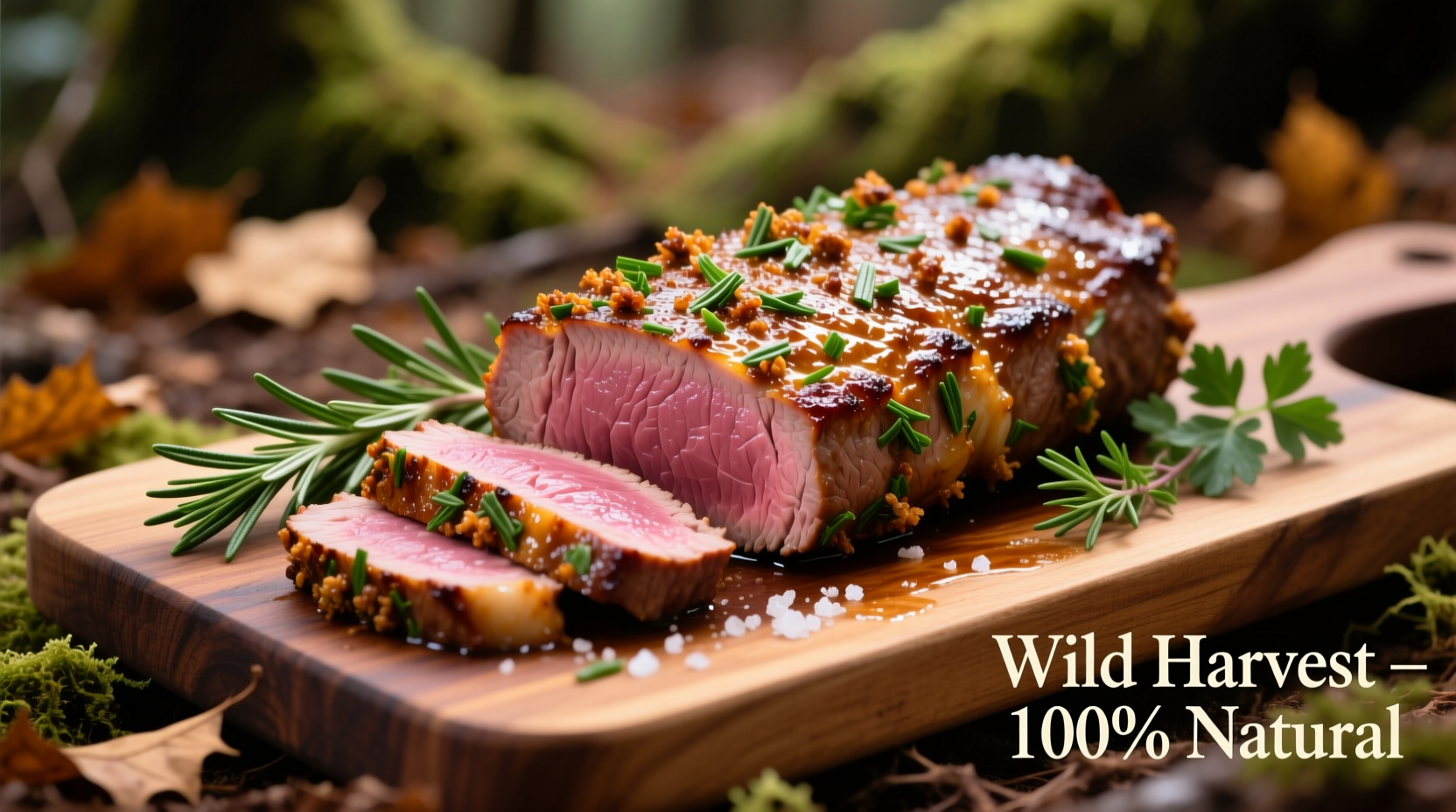
Serving Suggestions That Complement Game Flavor
Pair your perfectly cooked deer tenderloin with complementary side dishes that enhance rather than compete with its delicate flavor. Wild rice pilaf with toasted pecans provides a nutty contrast, while roasted root vegetables offer earthy sweetness. For sauce, a simple red wine reduction with blackberry preserves creates the ideal acidic counterpoint to venison's richness.
Slice against the grain at a 45-degree angle using a sharp carving knife for maximum tenderness. Serve immediately while the meat retains its ideal temperature range of 120-125°F. Remember that venison cools faster than beef due to its lower fat content, so proper timing is crucial for the best dining experience.
Storing and Reheating Leftovers Properly
If you're fortunate enough to have leftovers, proper storage maintains quality. Wrap tightly in butcher paper or place in an airtight container with any accumulated juices. Refrigerate for up to 3 days. When reheating, avoid microwaves which create uneven heating and toughen the meat.
For best results, gently reheat slices in a skillet with a small amount of clarified butter over low heat, turning frequently until warmed through. Alternatively, place leftovers in a 250°F oven until they reach 110°F internally. Never reheat beyond this temperature to prevent overcooking the second time.




 浙公网安备
33010002000092号
浙公网安备
33010002000092号 浙B2-20120091-4