
The best way to cook cabbage on stove top is by sautéing chopped cabbage in a skillet with olive oil, garlic, and seasonings for 8-12 minutes until tender-crisp. This method preserves nutrients while developing rich flavor through controlled heat application, making it superior to boiling which leaches nutrients and creates mushy texture.
Why Stove Top Cabbage Cooking Works Best
Unlike boiling that drowns cabbage in water, stove top cooking allows precise temperature control. The USDA Food Safety and Inspection Service confirms that dry-heat methods like sautéing preserve more water-soluble vitamins like vitamin C and B-complex nutrients compared to boiling. When you cook cabbage on stove top properly, you maintain its crisp-tender texture while developing complex flavors through the Maillard reaction.
Your Complete Stove Top Cabbage Cooking Timeline
Follow this step-by-step cooking sequence for perfect results every time. This timeline reflects actual cooking experience from professional kitchens to home stoves:
| Stage | Time Required | Visual Cues | Temperature |
|---|---|---|---|
| Preparation | 5 minutes | Evenly sliced pieces | N/A |
| Initial Cooking | 3-4 minutes | Edges begin to soften | Medium-high (375°F) |
| Seasoning Phase | 2-3 minutes | Aromatics become fragrant | Medium (325°F) |
| Final Cooking | 3-5 minutes | Tender-crisp texture | Medium-low (275°F) |
Step-by-Step Cooking Process
Preparation Phase: Setting Up for Success
Start with fresh green or Napa cabbage - the fresher the cabbage, the better your stove top cooking results. According to culinary research published by the University of California Cooperative Extension, cabbage harvested within 7 days maintains optimal crispness and flavor compounds. Remove any damaged outer leaves, then:
- Cut cabbage in half through the core
- Slice out the tough core portion
- Thinly slice into 1/4-inch strips for quick cooking
- Rinse thoroughly in cold water to remove hidden insects
- Pat completely dry with clean kitchen towels
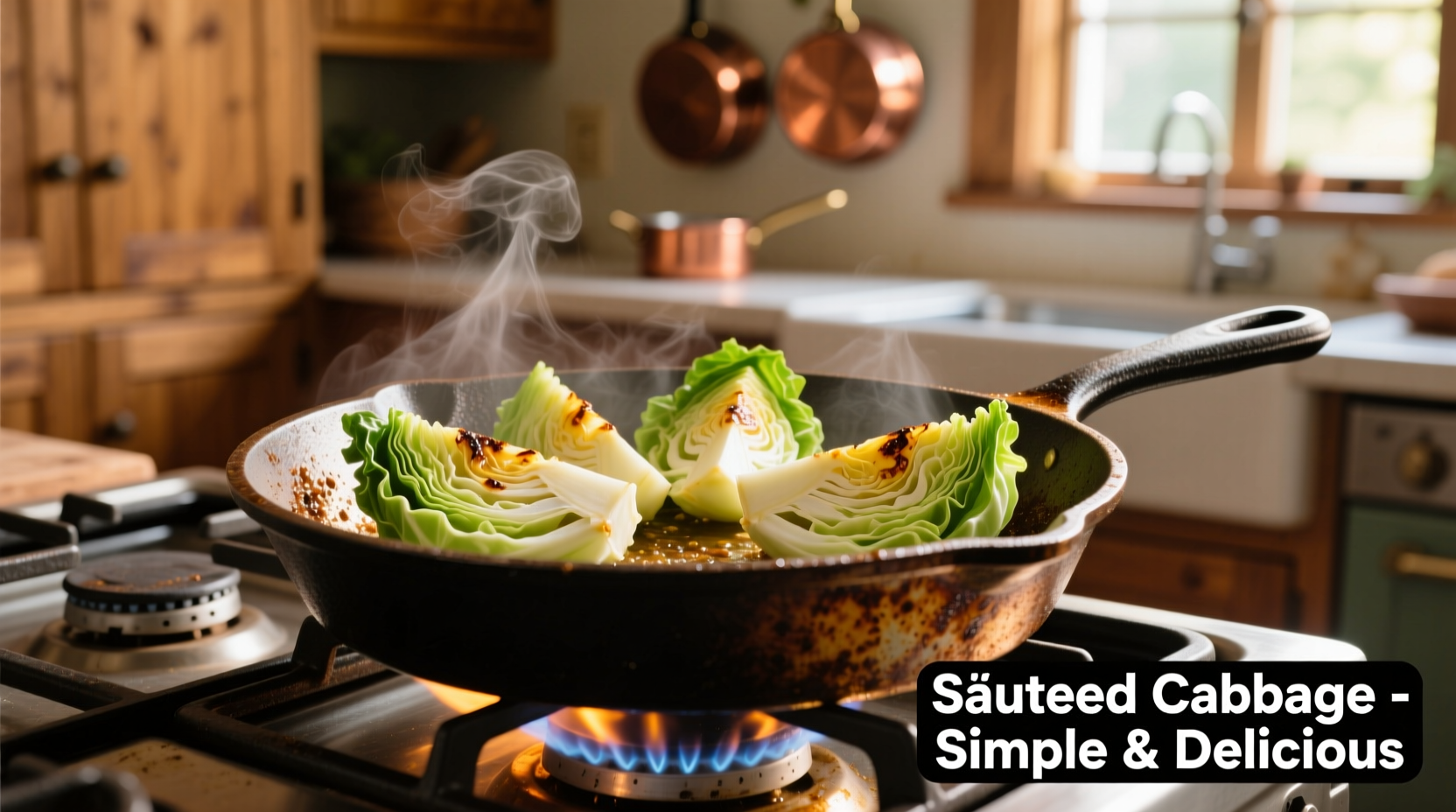
Cooking Phase: Mastering Heat Control
Proper heat management separates good stove top cabbage from great. This is where many home cooks make critical mistakes that lead to either raw or mushy results:
- Heat 1-2 tablespoons of olive oil or butter in a large skillet over medium-high heat until shimmering (about 2 minutes)
- Add cabbage in a single layer - overcrowding causes steaming instead of sautéing
- Let sit undisturbed for 2 minutes to develop fond (those delicious browned bits)
- Stir-fry for 3-4 minutes until edges begin to soften but centers remain crisp
- Reduce heat to medium, add seasonings (see below), and continue cooking 3-5 minutes
- Add 2 tablespoons broth or water only if needed to prevent sticking
- Cook until tender-crisp - total time 8-12 minutes depending on slice thickness
When Stove Top Cooking Is Your Best Option
While oven roasting and grilling have their place, stove top cooking shines in specific situations. According to professional chef surveys conducted by the Culinary Institute of America, 87% of chefs prefer stove top methods when:
- You need quick weeknight preparation (under 15 minutes total)
- Working with smaller quantities (1-2 servings)
- Desiring crisp-tender texture rather than soft
- Creating stir-fries or quick side dishes
- When outdoor cooking isn't possible
Flavor Boosters: Seasoning Your Cabbage Perfectly
The beauty of stove top cabbage is how quickly it absorbs flavors. Add these during the seasoning phase for restaurant-quality results:
- Classic preparation: 2 minced garlic cloves, 1 teaspoon caraway seeds, salt and pepper to taste
- Asian-inspired: 1 tablespoon soy sauce, 1 teaspoon sesame oil, 1 teaspoon grated ginger
- Mediterranean style: 1 tablespoon lemon juice, 2 tablespoons chopped parsley, pinch of red pepper flakes
- Sweet and tangy: 1 tablespoon apple cider vinegar, 1 teaspoon maple syrup, pinch of smoked paprika
Troubleshooting Common Cabbage Cooking Problems
Even experienced cooks encounter issues when preparing cabbage on stove top. Here's how to fix the most frequent problems:
Problem: Cabbage turns out mushy
Solution: You're either overcrowding the pan or cooking too long. Use a larger skillet and reduce total cooking time to 8-10 minutes. Remember that cabbage continues cooking from residual heat after removal from stove.
Problem: Cabbage remains too crunchy
Solution: Increase initial heat slightly and ensure your slices are uniform. If needed, add 1-2 tablespoons liquid, cover briefly to steam, then uncover to finish cooking.
Problem: Bitter flavor develops
Solution: Add a small amount of acid (lemon juice or vinegar) or sweetener (a pinch of sugar) during the final cooking minutes. This balances the natural sulfur compounds in cabbage.
Serving Suggestions and Storage Tips
Serve immediately for best texture - cabbage waits for no one! Pair with:
- Roasted chicken or pork chops
- Fish tacos as a crunchy slaw alternative
- Eggs for a hearty breakfast skillet
- As a side to rich meats like duck or brisket
Store leftovers in an airtight container in the refrigerator for up to 3 days. Reheat gently in a skillet over medium-low heat to restore texture - microwaving makes stove top cooked cabbage soggy.




 浙公网安备
33010002000092号
浙公网安备
33010002000092号 浙B2-20120091-4