
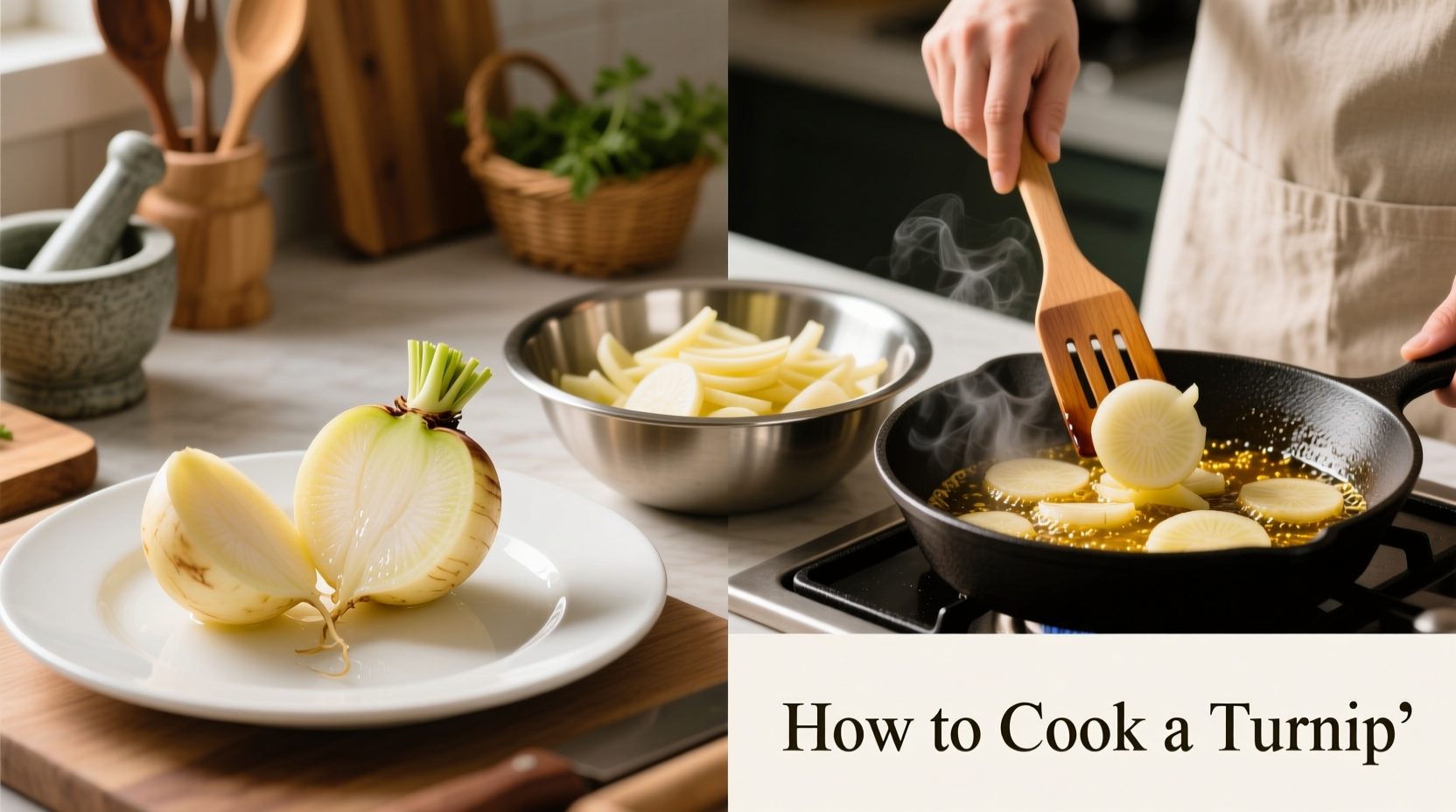
Discover why turnips deserve a regular spot in your kitchen rotation. These versatile root vegetables offer surprising sweetness when cooked correctly, providing a nutrient-rich alternative to potatoes with only 36 calories per cup. Professional chefs consistently praise turnips for their ability to absorb flavors while maintaining distinctive character.
Understanding Turnip Varieties and Selection
Not all turnips behave the same in the kitchen. Smaller varieties (under 3 inches in diameter) typically feature sweeter, milder flesh with tender skins that often don't require peeling. Larger turnips develop more pronounced earthy notes and thicker skins that benefit from peeling. When selecting turnips, look for firm specimens with smooth skin and vibrant green tops (if attached), which indicate freshness. Avoid those with soft spots or significant surface blemishes.
| Turnip Type | Best Cooking Method | Flavor Profile | Preparation Tip |
|---|---|---|---|
| Small salad turnips | Raw in salads | Mild, slightly peppery | No peeling needed |
| Medium purple-top | Roasting or mashing | Sweet when cooked | Peel for smoother texture |
| Large white turnips | Stews or purees | Earthy, slightly bitter | Always peel and remove core |
Essential Preparation Techniques
Proper preparation makes all the difference in turnip cooking. Start by scrubbing turnips thoroughly under cold water to remove soil. For larger varieties, use a sharp vegetable peeler to remove the tough outer layer. When cutting, remove the fibrous core running through the center—this reduces bitterness. Cut turnips into uniform pieces to ensure even cooking. For roasting or sautéing, 1-inch cubes work perfectly; for mashing, larger chunks prevent overcooking.
Mastering Turnip Cooking Methods
Perfect Roasted Turnips
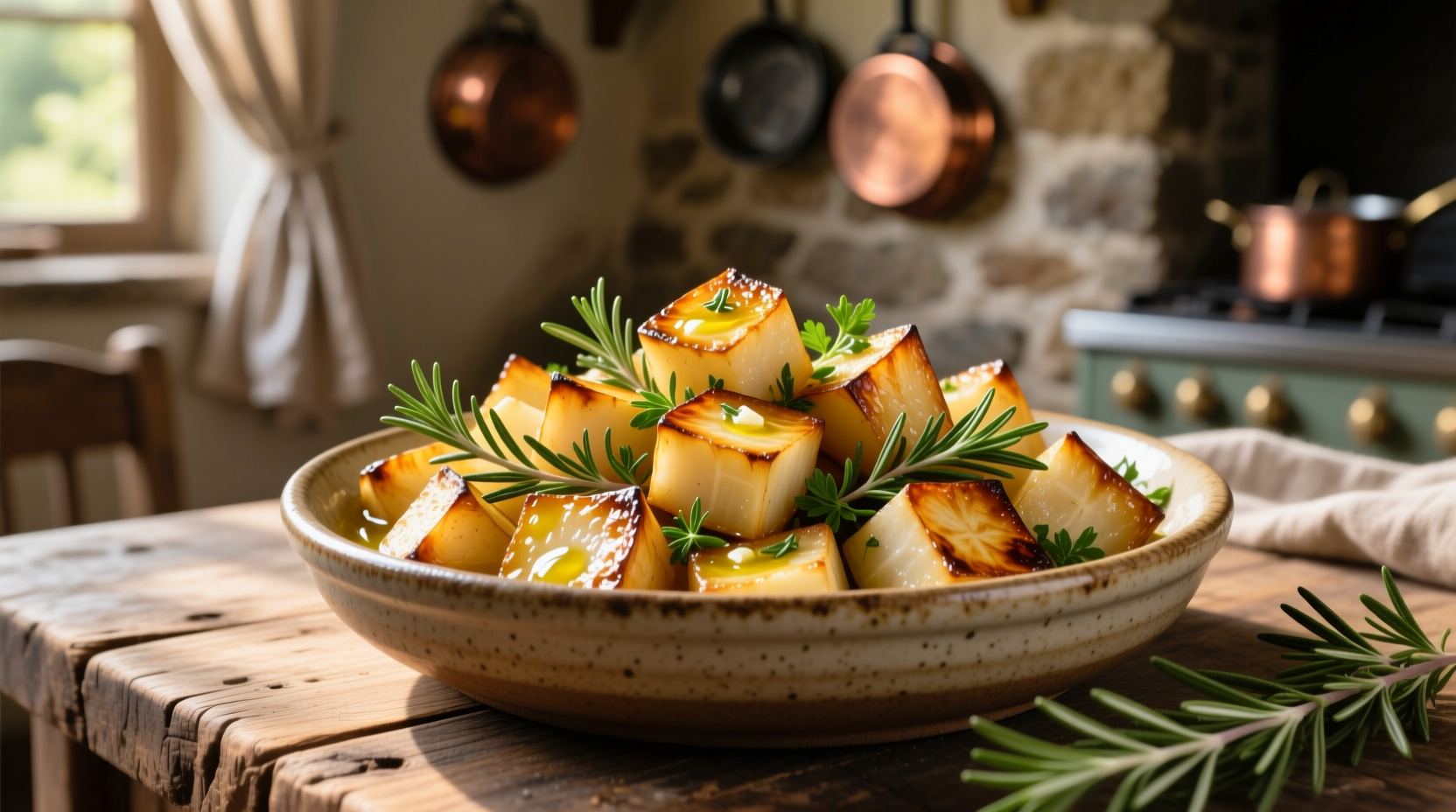
Roasting unlocks turnips' natural sweetness through caramelization. Preheat your oven to 400°F (200°C). Toss 1-inch turnip cubes with 1-2 tablespoons olive oil, 1 teaspoon fresh thyme, 2 minced garlic cloves, salt, and pepper. Spread in a single layer on a parchment-lined baking sheet. Roast for 25-30 minutes, flipping halfway, until golden brown and fork-tender. For extra depth, add a tablespoon of honey during the last 10 minutes of cooking.
Fluffy Turnip Mash
Create a lighter alternative to mashed potatoes by combining equal parts turnips and potatoes. Peel and cube both vegetables, then boil in salted water for 15-20 minutes until very tender. Drain thoroughly—excess water causes gummy mash. Return to the warm pot for 1 minute to evaporate residual moisture. Mash with 2 tablespoons warm butter, 1/4 cup warm milk, salt, and white pepper until smooth. For enhanced flavor, infuse the milk with garlic cloves before heating.
Quick Sautéed Turnips
Sautéing delivers restaurant-quality results in minutes. Heat 1 tablespoon olive oil and 1 tablespoon butter in a skillet over medium-high heat. Add 1/2-inch turnip slices and cook undisturbed for 4-5 minutes until golden. Flip and continue cooking for another 4-6 minutes until tender. Finish with a squeeze of lemon juice and fresh parsley. This method works particularly well with smaller, sweeter turnip varieties.
Contextual Cooking Guidance
Understanding when to use specific cooking methods elevates your turnip dishes. Roasting shines in cold-weather meals where caramelized flavors complement hearty proteins. Boiling works best when you need turnips as a neutral base for soups or purees. Sautéing excels in quick weeknight preparations where you want to maintain some texture contrast. For special occasions, try our chef-recommended technique: parboil turnips for 5 minutes before roasting to achieve perfectly tender interiors with crisp exteriors.
Flavor Pairing Strategies
Turnips respond beautifully to specific flavor companions. Classic combinations include:
- Herbs: Rosemary, thyme, sage, and dill enhance earthy notes
- Acids: Lemon juice or apple cider vinegar balances sweetness
- Fats: Brown butter or olive oil carries flavors effectively
- Sweet elements: Honey or maple syrup counters bitterness
- Aromatics: Garlic, shallots, and onions build flavor foundations
For international twists, try Asian-inspired turnips with ginger and soy sauce, or Mediterranean versions with olives and oregano. The USDA FoodData Central confirms turnips contain significant vitamin C and fiber, making them nutritionally valuable regardless of preparation method (fdc.nal.usda.gov).
Troubleshooting Common Issues
Even experienced cooks encounter turnip challenges. If your turnips taste bitter, try these solutions:
- Peel thoroughly, removing all green tinge under the skin
- Add a pinch of sugar or honey to cooking water
- Pair with strongly flavored ingredients like bacon or smoked paprika
- Cook with potato to mellow the flavor profile
For consistently perfect results, always test doneness with a fork rather than a knife, which can pierce too easily. Undercooked turnips remain unpleasantly hard, while overcooked ones become mushy and lose flavor.
Storage and Reheating Tips
Store raw turnips in a cool, dark place for up to two weeks. Remove greens before storage, as they draw moisture from the roots. Cooked turnips keep in airtight containers in the refrigerator for 3-4 days. When reheating, add a splash of water or broth to prevent drying. For roasted turnips, refresh in a 350°F (175°C) oven for 10-15 minutes rather than microwaving to maintain texture.




 浙公网安备
33010002000092号
浙公网安备
33010002000092号 浙B2-20120091-4