
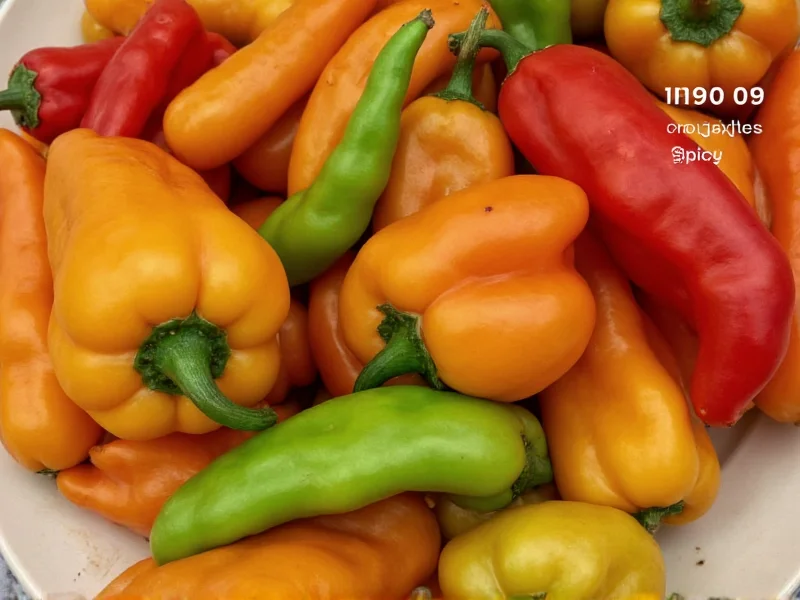
Understanding the heat level of Anaheim peppers helps home cooks and chili enthusiasts make informed decisions in the kitchen. These versatile chilies, also known as California chiles, provide a gentle warmth that enhances dishes without overwhelming heat. Their mild nature makes them ideal for stuffed peppers, salsas, and roasted pepper applications where subtle spice is preferred.
Anaheim Pepper Heat Profile
Grown primarily in the western United States, Anaheim peppers (Capsicum annuum) deliver a clean, grassy flavor with just enough heat to register on the palate. The heat level varies based on several factors:
- Ripeness: Green (unripe) Anaheims tend to be milder than red (fully ripe) versions
- Growing conditions: Soil composition, water availability, and sunlight exposure affect capsaicin production
- Individual variation: Even within the same plant, heat levels can differ between peppers
- Preparation method: Removing seeds and membranes reduces perceived heat significantly
| Pepper Variety | Scoville Heat Units | Heat Level | Comparison to Anaheim |
|---|---|---|---|
| Bell Pepper | 0 SHU | Mild | 0x (no heat) |
| Anaheim Pepper | 500-2,500 SHU | Mild-Medium | 1x (baseline) |
| Poblano Pepper | 1,000-2,000 SHU | Mild | Similar to Anaheim |
| Jalapeño Pepper | 2,500-8,000 SHU | Medium | 2-5x hotter |
| Serrano Pepper | 10,000-23,000 SHU | Hot | 8-15x hotter |
Why Anaheim Pepper Heat Varies
Many gardeners and cooks wonder why some Anaheim peppers seem unexpectedly hot. This variation stems from environmental stressors that increase capsaicin production. When plants experience drought, temperature extremes, or nutrient deficiencies, they often produce hotter fruit as a defense mechanism. Commercial growers carefully manage these factors to maintain consistent mild heat levels.
Interestingly, the same Anaheim pepper plant can produce fruit with different heat levels throughout the growing season. Early season peppers typically run milder, while late-season fruit may develop more heat as temperatures fluctuate.
Historical Development Timeline
The evolution of Anaheim peppers' consistent mildness reflects deliberate agricultural advancements:
- 1907-1913: Introduced to Anaheim, California by Emilio Ortega and first commercially planted, establishing the variety's namesake (New Mexico State University Chile Pepper Institute, 2023).
- 1940s-1960s: Selective breeding began prioritizing uniform mild heat (900-1,500 SHU range) for commercial canning and roasting applications.
- 1990s-Present: UC Davis and New Mexico State University developed cultivars like 'New Mexico No. 6' with stabilized heat profiles through controlled capsaicin expression (UC Agriculture and Natural Resources, Publication 8515, 2021).
This progression demonstrates how scientific intervention transformed naturally variable chiles into the predictably mild Anaheim peppers available today.
Culinary Applications Based on Heat Level
The moderate heat of Anaheim peppers makes them exceptionally versatile in cooking. Their thin walls and mild flavor profile work well in applications where you want subtle warmth without dominating other ingredients:
- Stuffed peppers: Their size and mild heat allow fillings to shine
- Roasted pepper applications: Perfect for chile rellenos and pepper strips
- Soups and stews: Adds depth without excessive heat
- Salsas: Provides gentle warmth in fresh tomato salsas
- Freezing: Retains flavor and mild heat when frozen for winter use
When substituting Anaheim peppers in recipes, consider these alternatives based on desired heat level:
- For milder heat: Poblano peppers (similar size, slightly less heat)
- For similar heat: Cubanelle or Hungarian wax peppers (when young)
- For more heat: Jalapeños (use half the quantity)
Contextual Limitations and Optimal Applications
Understanding where Anaheim peppers excel—and where alternatives are preferable—prevents culinary mismatches:
- Heat Threshold Limitation: Unsuitable for dishes requiring >5,000 SHU (e.g., authentic Louisiana hot sauce). Their maximum 2,500 SHU output cannot replicate habanero or cayenne heat levels without excessive volume.
- Structural Constraints: Thin walls make them less ideal for stuffed pepper dishes requiring structural integrity compared to thicker-walled poblanos (UC ANR Publication 8515, 2021).
- Regional Authenticity: In New Mexican cuisine, Anaheim peppers are considered distinct from traditional chile varieties like 'Big Jim' that deliver more complex heat (New Mexico State University Chile Pepper Institute, 2023).
These boundaries ensure appropriate usage—Anaheims excel in mild roasted applications but shouldn't replace specialty peppers in high-heat or structurally demanding dishes.
Handling Tips for Consistent Results
To achieve predictable heat levels when cooking with Anaheim peppers:
- Taste a small piece before adding to recipes
- Remove seeds and white membranes for milder results
- Roast and peel to concentrate flavor while reducing perceived heat
- Combine with sweeter ingredients like corn or tomatoes to balance heat
- Start with one pepper and adjust quantities based on taste
Professional chefs often recommend roasting Anaheim peppers over an open flame until blistered, then placing them in a covered bowl to steam. This technique enhances their natural sweetness while making the skins easier to remove—resulting in a more consistent flavor profile for dishes like chile verde or roasted pepper sauces.
Common Misconceptions About Anaheim Heat
Many home cooks mistakenly believe Anaheim peppers should be extremely hot. This confusion often stems from:
- Mixing up Anaheim with similar-looking but hotter varieties like Hungarian wax
- Encountering exceptionally hot specimens due to growing conditions
- Confusing them with the much hotter New Mexico chile varieties
- Using fully ripe red Anaheims without realizing they're hotter than green ones
Understanding that Anaheim peppers sit at the milder end of the heat spectrum helps cooks use them appropriately. Their gentle warmth makes them accessible to those with lower spice tolerance while still providing enough kick for those who enjoy subtle heat in their dishes.




 浙公网安备
33010002000092号
浙公网安备
33010002000092号 浙B2-20120091-4