
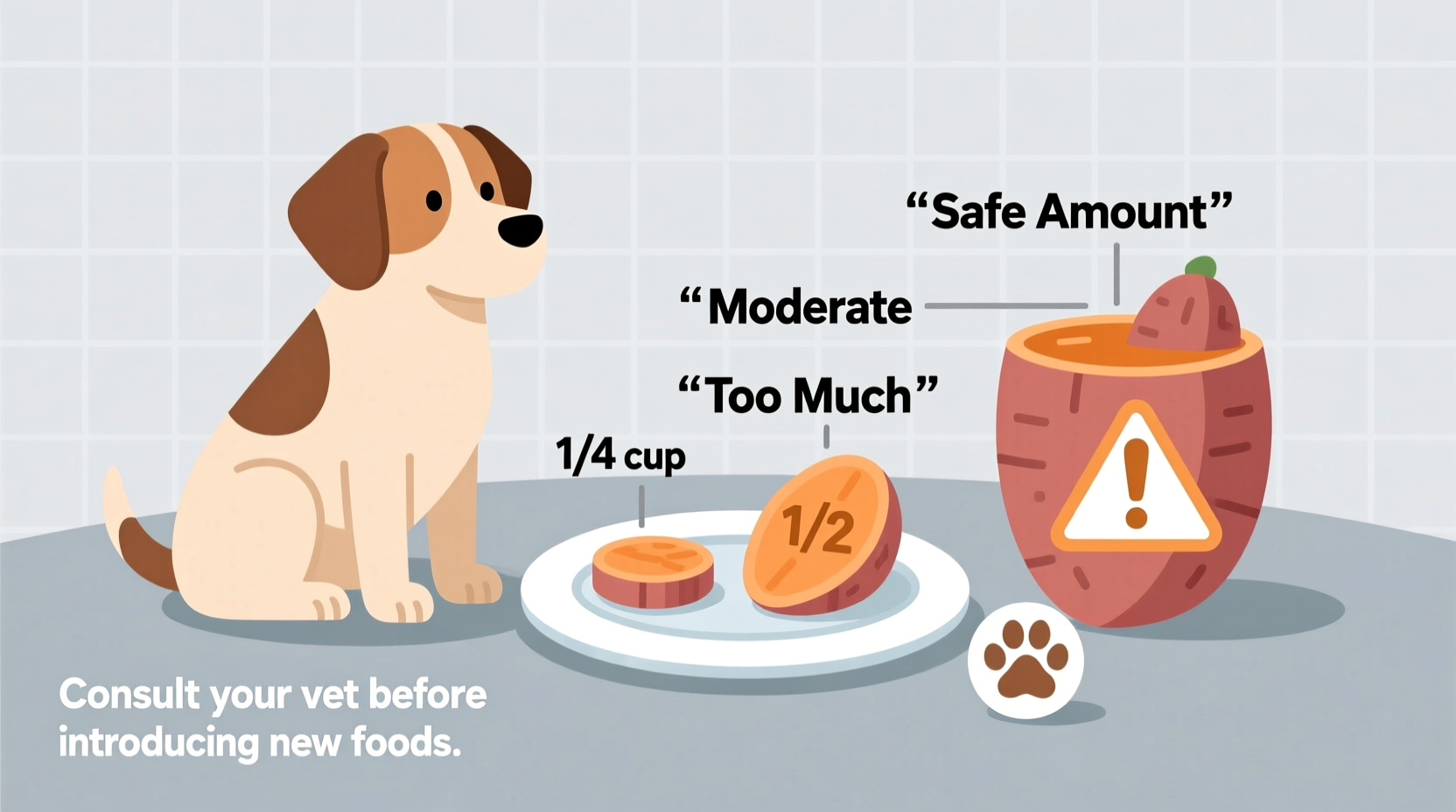
Wondering if your furry friend can enjoy this nutritious root vegetable? You're not alone—thousands of dog owners search for safe sweet potato portions daily. Getting the amount right matters because while sweet potatoes offer excellent health benefits for dogs, too much can cause digestive upset or even more serious issues. This guide delivers precisely measured portions based on your dog's size, plus preparation tips that maximize benefits while minimizing risks.
Why Sweet Potatoes Benefit Your Dog's Health
Sweet potatoes rank among the top superfoods recommended by veterinary nutritionists for canine diets. According to the American Kennel Club, these orange tubers provide essential vitamins A, B6, and C, plus dietary fiber that supports healthy digestion. The complex carbohydrates deliver sustained energy without the blood sugar spikes associated with simple carbs.
Veterinary researchers at Tufts University's Cummings School of Veterinary Medicine note that the beta-carotene in sweet potatoes promotes healthy vision and immune function. Unlike some human foods that are toxic to dogs, properly prepared sweet potatoes serve as a safe, nutrient-dense treat when given in appropriate portions.
Determining the Perfect Portion for Your Dog
The ideal sweet potato serving depends primarily on your dog's weight. Our portion guidelines reflect recommendations from board-certified veterinary nutritionists at the American College of Veterinary Nutrition:
| Dog Weight | Daily Maximum | Weekly Maximum | Preparation Tip |
|---|---|---|---|
| Under 10 lbs | 1 teaspoon | 1 tablespoon | Finely mashed for easy digestion |
| 10-20 lbs | 1 tablespoon | 2 tablespoons | Small, bite-sized cubes |
| 20-50 lbs | 2 tablespoons | 1/4 cup | 1-inch cubes, cooked thoroughly |
| 50+ lbs | 1/4 cup | 1/2 cup | 2-inch cubes, no seasoning |
These portions represent the maximum amount per feeding. Remember that treats—including sweet potatoes—should never exceed 10% of your dog's daily caloric intake. For most dogs, offering sweet potato once or twice weekly provides benefits without dietary imbalance.
Proper Preparation Methods for Maximum Safety
How you prepare sweet potatoes significantly impacts their safety and digestibility. Raw sweet potatoes pose choking hazards and contain complex starches dogs cannot properly digest. Always follow these preparation guidelines:
- Cook thoroughly: Bake, steam, or boil until fork-tender (about 20-30 minutes)
- Avoid seasonings: Never add butter, salt, sugar, or spices like nutmeg
- Cool completely: Serve at room temperature to prevent mouth burns
- Cut appropriately: Size pieces based on your dog's breed and chewing ability

When to Avoid Sweet Potatoes Completely
Certain health conditions require avoiding sweet potatoes entirely. The Veterinary Information Network identifies these critical scenarios where sweet potatoes could worsen existing conditions:
- Dogs with diabetes or blood sugar regulation issues
- Dogs diagnosed with pancreatitis
- Dogs with chronic kidney disease
- Dogs currently experiencing digestive upset
- Dogs allergic to sweet potatoes (rare but possible)
If your dog has any pre-existing health conditions, always consult your veterinarian before introducing sweet potatoes or any new food. This precaution prevents potential complications that could require emergency veterinary care.
Introducing Sweet Potatoes Safely: A 7-Day Timeline
Even healthy dogs need time to adjust to new foods. Follow this evidence-based introduction schedule developed by veterinary nutrition specialists:
- Day 1-2: Offer 1-2 small cubes (1/4 teaspoon for small dogs)
- Day 3-4: Monitor for reactions; if none, double the amount
- Day 5-6: Introduce cooked sweet potato as 5% of daily treat allowance
- Day 7: Assess tolerance; if positive, establish regular portion
Watch for these signs of intolerance during introduction:
- Excessive gas or bloating
- Loose stools or diarrhea
- Vomiting
- Itching or skin irritation
- Lethargy or decreased appetite
If any adverse reactions occur, discontinue immediately and consult your veterinarian. Most dogs tolerate sweet potatoes well when introduced gradually using this method.
Sweet Potato Alternatives for Dogs with Special Dietary Needs
When sweet potatoes aren't appropriate, these vet-approved alternatives provide similar nutritional benefits:
- Pumpkin puree (canned, plain): Excellent for digestive health
- Butternut squash: Similar nutrient profile with lower glycemic index
- Green beans: Low-calorie option rich in fiber and vitamins
- Carrots: Crunchy alternative supporting dental health
Always introduce alternatives using the same gradual approach recommended for sweet potatoes. Consult your veterinarian to determine which option best suits your dog's specific nutritional requirements.
When to Consult Your Veterinarian Immediately
While sweet potatoes are generally safe when properly prepared and portioned, contact your veterinarian if your dog shows these symptoms after consumption:
- Continuous vomiting lasting more than 4 hours
- Blood in stool or vomit
- Severe lethargy or weakness
- Difficulty breathing or facial swelling
- Uncontrolled diarrhea for over 12 hours
These symptoms could indicate serious complications requiring immediate veterinary attention. Remember that your regular veterinarian knows your dog's complete health history and can provide personalized guidance about dietary additions.




 浙公网安备
33010002000092号
浙公网安备
33010002000092号 浙B2-20120091-4