
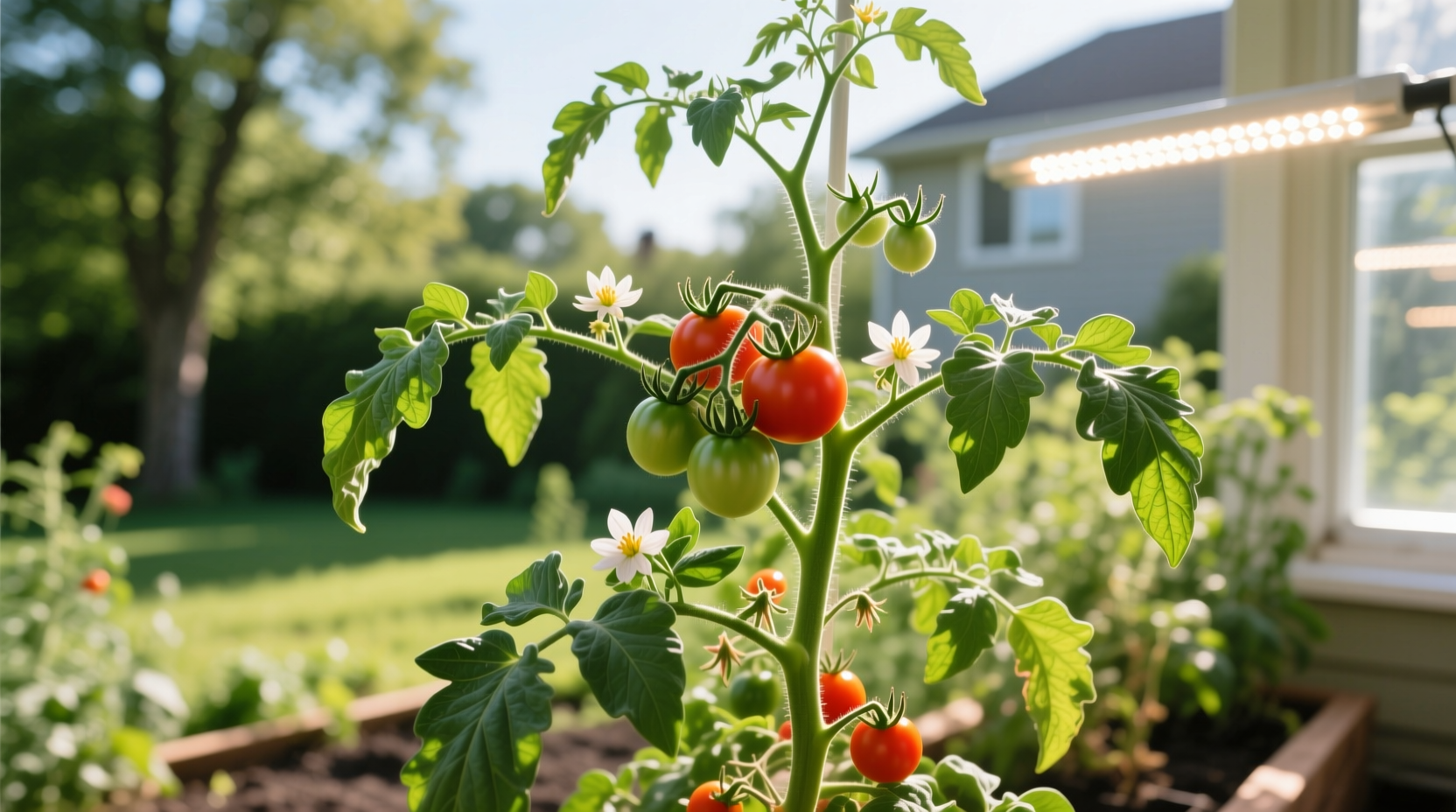
The Essential Sunlight Formula for Thriving Tomato Plants
Nothing impacts your tomato harvest more than sunlight exposure. As a gardener, you've probably noticed some plants thriving while others struggle despite identical care. The difference often comes down to one critical factor: sunlight. Let's explore exactly how much light your tomatoes need and how to maximize your growing conditions.
Why Sunlight Matters: The Science Behind Tomato Growth
Tomatoes (Solanum lycopersicum) evolved in the sun-drenched regions of Central and South America, developing a strong dependence on abundant light. Photosynthesis drives every aspect of their development - from root establishment to fruit ripening. Research from the University of Minnesota Extension confirms that tomatoes are among the most sun-hungry garden vegetables.
When tomato plants receive adequate sunlight:
- Photosynthesis operates at peak efficiency
- Fruit sets more reliably
- Sugars develop fully, enhancing flavor
- Stems strengthen, supporting heavier fruit loads
- Natural disease resistance increases
Minimum vs. Optimal: What Research Reveals
While tomatoes can technically survive with less light, the difference between minimum survival and optimal production is dramatic. Agricultural studies consistently show:
| Daily Sunlight | Plant Growth | Fruit Production | Flavor Quality |
|---|---|---|---|
| 8+ hours | Robust, compact growth | Maximum yield | Excellent sweetness and complexity |
| 6-8 hours | Good growth | Strong yield | Very good flavor |
| 4-6 hours | Leggy, stretched growth | Reduced yield (30-50% less) | Milder, less complex flavor |
| Under 4 hours | Poor growth, high disease risk | Minimal to no fruit | Generally poor quality |
This data aligns with findings from the Oregon State University Extension Service, which emphasizes that "tomatoes require full sun for best production."
Recognizing Sunlight Deficiency in Your Tomato Plants
When your tomatoes aren't getting enough sun, they send clear signals:
- Leggy growth: Tall, spindly stems reaching for light
- Fewer flowers: Reduced blossom production
- Delayed ripening: Fruit takes longer to mature
- Increased disease: Higher susceptibility to blight and mildew
- Poor fruit set: Flowers drop without setting fruit
These symptoms often get misdiagnosed as nutrient deficiencies or disease, when the root cause is actually insufficient light exposure.
Maximizing Sunlight in Challenging Conditions
Not everyone has a perfectly sunny garden plot. If you're working with less-than-ideal conditions, these strategies can help:
Urban and Small Space Solutions
For gardeners with limited sunny areas:
- Use containers that can be moved to follow the sun
- Install reflective surfaces (white boards, aluminum foil) to bounce light
- Choose compact varieties better suited to partial sun
- Prune surrounding vegetation to increase light penetration
Seasonal Adjustments
Sunlight patterns change throughout the growing season:
- Early season: Position plants where morning sun reaches them first
- Midsummer: Ensure afternoon sun exposure for maximum heat
- Fall: Remove shading leaves from nearby trees as they change
Varietal Differences in Sunlight Requirements
While all tomatoes need substantial sun, some varieties handle less-than-ideal conditions better than others:
- Determinate varieties: Generally more tolerant of partial sun due to their compact growth
- Cherry tomatoes: Often produce better in slightly less sun than larger varieties
- Heirloom varieties: Typically require more consistent sun for reliable fruiting
- Cold-climate varieties: May need slightly less sun due to slower growth rates
However, even the most shade-tolerant varieties perform significantly better with at least 6 hours of direct sun.
Measuring Sunlight in Your Garden: A Practical Guide
Don't guess - measure your garden's sunlight exposure accurately:
- Use a sunlight calculator app to track daily exposure
- Observe shadow patterns throughout the day
- Track actual sun hours during peak growing season (not just spring)
- Consider seasonal changes in sun angle and tree canopy
- Test different locations with trial plantings
Remember that "full sun" means direct, unobstructed sunlight - not just bright ambient light. Dappled shade through tree branches counts as partial sun at best.
Common Sunlight Mistakes Gardeners Make
Avoid these frequent errors that compromise your tomato harvest:
- Overestimating sun exposure: What looks sunny might only get 4-5 hours of direct light
- Ignoring seasonal changes: Spring sun patterns differ from summer
- Planting too close: Crowded plants shade each other as they grow
- Misjudging reflected heat: South-facing walls can create microclimates
- Not adjusting for climate: Plants in cooler regions need more sun than those in hot climates
Putting It All Together: Your Sunlight Action Plan
For the best tomato harvest, follow this practical approach:
- Identify your sunniest garden spot using measurement techniques
- Aim for 8+ hours of direct sun for maximum production
- Accept 6-8 hours as the practical minimum for good results
- Choose varieties suited to your specific light conditions
- Implement strategies to maximize available sunlight
- Monitor plant performance and adjust for next season
Remember that consistent sunlight exposure throughout the day matters more than concentrated bursts. Morning sun helps dry dew and prevent disease, while afternoon sun provides the intensity tomatoes need for fruit development.
Frequently Asked Questions
Can tomato plants get too much sun?
Yes, in extreme heat conditions (above 95°F/35°C), intense afternoon sun can cause sunscald on fruit and stress plants. In very hot climates, providing some afternoon shade can actually improve yields. However, in most temperate regions, tomatoes benefit from full sun exposure throughout the day.
Do tomatoes need direct sunlight or is bright indirect light sufficient?
Tomatoes require direct sunlight, not just bright indirect light. The intensity of direct sun is crucial for proper photosynthesis and fruit development. What many gardeners mistake for 'full sun' is often dappled light through tree branches, which typically provides only 4-5 hours of effective sunlight - insufficient for optimal tomato production.
How does sunlight affect tomato flavor?
Sunlight directly impacts sugar development and complex flavor compounds in tomatoes. Research from the University of California shows that tomatoes receiving 8+ hours of sun develop significantly higher brix (sugar) levels and more complex flavor profiles than those grown in partial shade. The combination of adequate sun and proper watering creates the perfect conditions for flavorful fruit.
Can I grow tomatoes indoors with artificial light?
Yes, but it requires significant investment. To replace natural sunlight, you need high-intensity grow lights (minimum 30 watts per square foot) positioned 6-12 inches above plants for 14-16 hours daily. While possible, most home gardeners find outdoor growing with natural sunlight produces superior results with less effort and expense.




 浙公网安备
33010002000092号
浙公网安备
33010002000092号 浙B2-20120091-4