
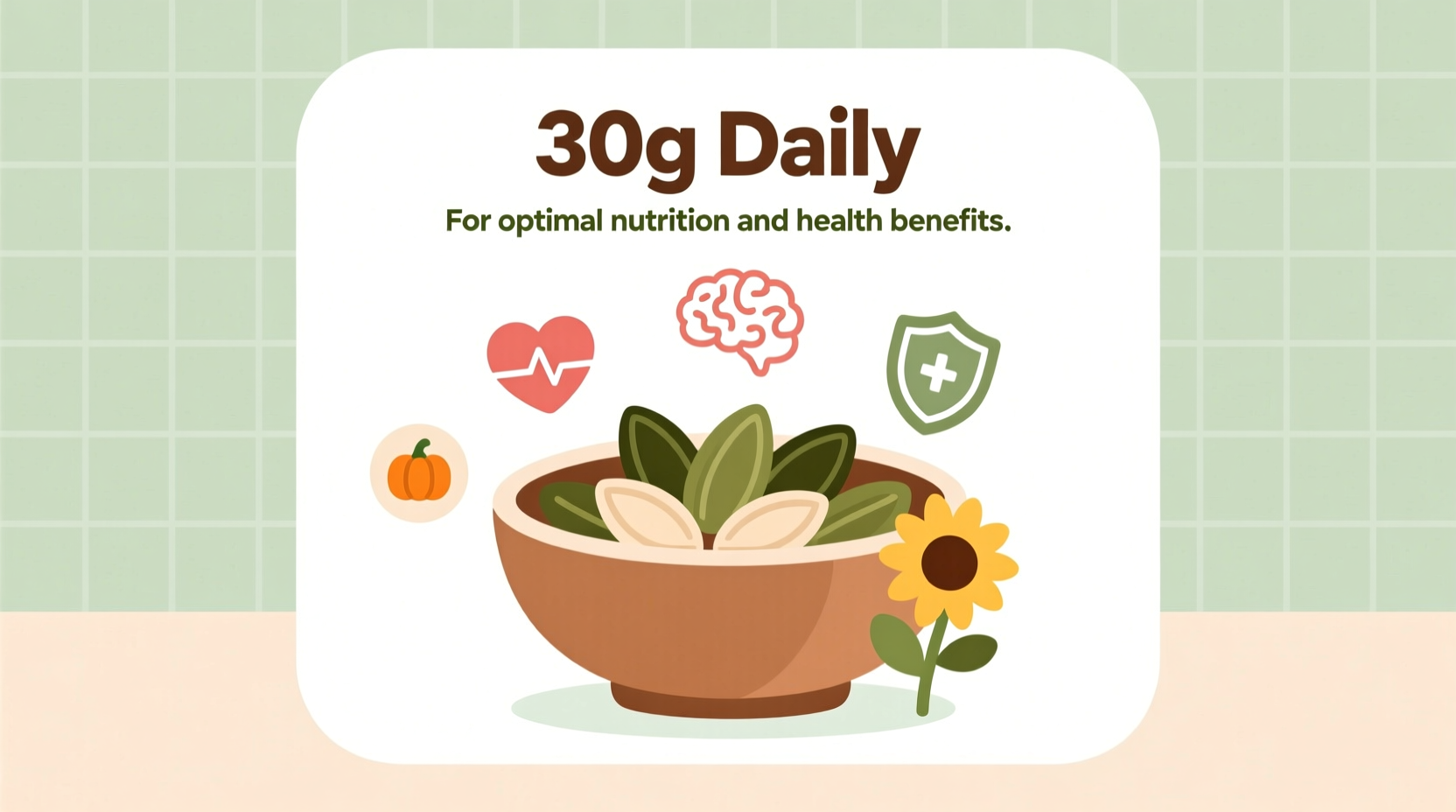
Discover exactly how much pumpkin seeds you should eat daily to boost your health without overdoing it. This evidence-based guide cuts through the confusion with clear recommendations from nutrition science, practical serving tips, and important considerations for different health goals.
Why Pumpkin Seeds Deserve a Spot in Your Daily Routine
Pumpkin seeds, also known as pepitas, pack a powerful nutritional punch in a small package. These green, flat seeds contain impressive amounts of magnesium, zinc, iron, and healthy fats that support numerous bodily functions. But like many nutrient-dense foods, the key to maximizing benefits lies in getting the portion right—not too little to be ineffective, not too much to cause issues.
Breaking Down the Science: What Research Says About Daily Intake
Nutrition science consistently points to 1-2 ounces (28-57 grams) as the ideal daily amount for most adults. This recommendation balances several factors:
- Nutrient density - This portion provides approximately 150-300 calories, 7-14g of protein, 13-26g of healthy fats, and significant percentages of your daily magnesium (19-37%) and zinc (14-28%) needs
- Digestive tolerance - Higher amounts may cause gastrointestinal discomfort due to their high fiber and fat content
- Caloric balance - Fits within most dietary plans without excessive calorie intake
| Health Authority | Recommended Daily Amount | Key Nutrients Provided |
|---|---|---|
| USDA Dietary Guidelines | 1 oz (28g) | 19% magnesium, 14% zinc, 10% iron |
| American Heart Association | 1.5 oz (42g) | Heart-healthy fats, phytosterols |
| National Institutes of Health | 1-2 oz (28-57g) | Optimal zinc absorption without interference |
Practical Portion Guidance: Measuring Your Daily Pumpkin Seeds
Understanding ounces and grams can be confusing in daily practice. Here's how to visualize proper portions without measuring tools:
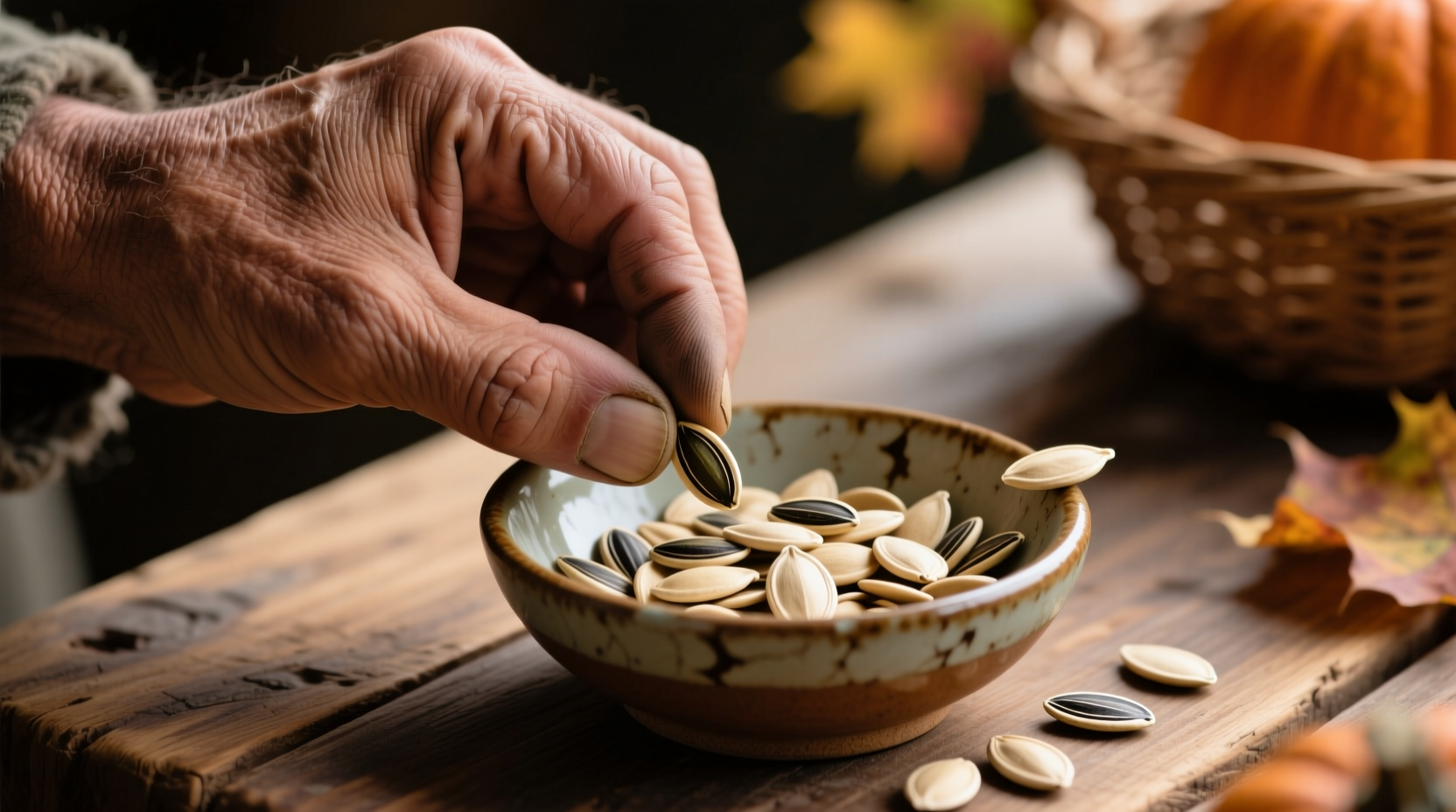
- 1 ounce (28g) = About 1/4 cup or a small handful (roughly 85-90 seeds)
- 2 ounces (56g) = Approximately 1/2 cup or a moderate handful
For best results, divide your daily amount between meals rather than consuming it all at once. This approach improves nutrient absorption and prevents potential digestive issues from concentrated fiber intake.
When to Adjust Your Pumpkin Seed Intake
Certain health conditions and goals may require modifying the standard recommendation:
For Specific Health Goals
- Prostate health - Research suggests 30g daily may provide optimal zinc benefits for men's health (National Institutes of Health, 2016)
- Sleep improvement - Consuming 1 oz (28g) 1-2 hours before bed may support better sleep due to tryptophan content
- Weight management - Stick to 1 oz (28g) to benefit from satiety effects without excessive calories
Who Should Moderate Intake
- Individuals with kidney issues should consult doctors due to pumpkin seeds' oxalate content
- Those on blood pressure medication may need to monitor intake due to magnesium's effects
- People with digestive sensitivities might start with 1/2 oz (14g) and gradually increase
How to Incorporate Pumpkin Seeds Into Your Daily Meals
Maximize benefits by strategically adding pumpkin seeds to your diet throughout the day:
- Morning boost - Sprinkle 1/4 cup over oatmeal or yogurt
- Lunch enhancement - Add to salads for crunch and nutrition
- Afternoon snack - Combine with a small piece of fruit for balanced energy
- Evening support - Enjoy a small portion before bed for potential sleep benefits
Avoiding Common Pumpkin Seed Consumption Mistakes
Even healthy foods can cause issues when consumed improperly. Watch for these pitfalls:
- Over-roasting - High-heat roasting can damage healthy fats; opt for raw or lightly roasted seeds
- Salt overload - Choose unsalted varieties to avoid excessive sodium intake
- Storage errors - Keep in airtight containers in the refrigerator to prevent rancidity
- Ignoring individual tolerance - Start with smaller portions if new to regular consumption
Long-Term Benefits of Consistent, Proper Consumption
Research shows that maintaining the recommended daily amount of pumpkin seeds delivers cumulative health benefits:
- 3-6 months - Improved magnesium status supporting better blood pressure regulation
- 6-12 months - Enhanced zinc levels contributing to stronger immune function
- 1+ years - Potential cardiovascular benefits from consistent intake of heart-healthy fats
Unlike short-term dietary fads, this simple daily habit provides sustainable nutrition that complements various eating patterns from Mediterranean to plant-based diets.
Frequently Asked Questions
Can eating too many pumpkin seeds be harmful?
Consuming more than 3-4 ounces (85-113g) daily may cause digestive discomfort, diarrhea, or interfere with certain medications. The high fiber and fat content that makes pumpkin seeds healthy can become problematic in excessive amounts. Stick to the recommended 1-2 ounces for optimal benefits without side effects.
Do I need to eat pumpkin seeds every day to get benefits?
While daily consumption provides consistent nutrient intake, you'll still benefit from eating pumpkin seeds 3-4 times weekly. The key is regular inclusion in your diet rather than strict daily consumption. Missing a day or two won't negate the health benefits you've accumulated.
Are roasted pumpkin seeds as healthy as raw?
Lightly roasted pumpkin seeds retain most nutrients, but high-heat roasting can damage healthy fats. Raw seeds preserve all nutrients but may be harder to digest for some people. For optimal nutrition, choose seeds roasted at low temperatures (under 170°F/77°C) without added oils or excessive salt.




 浙公网安备
33010002000092号
浙公网安备
33010002000092号 浙B2-20120091-4