
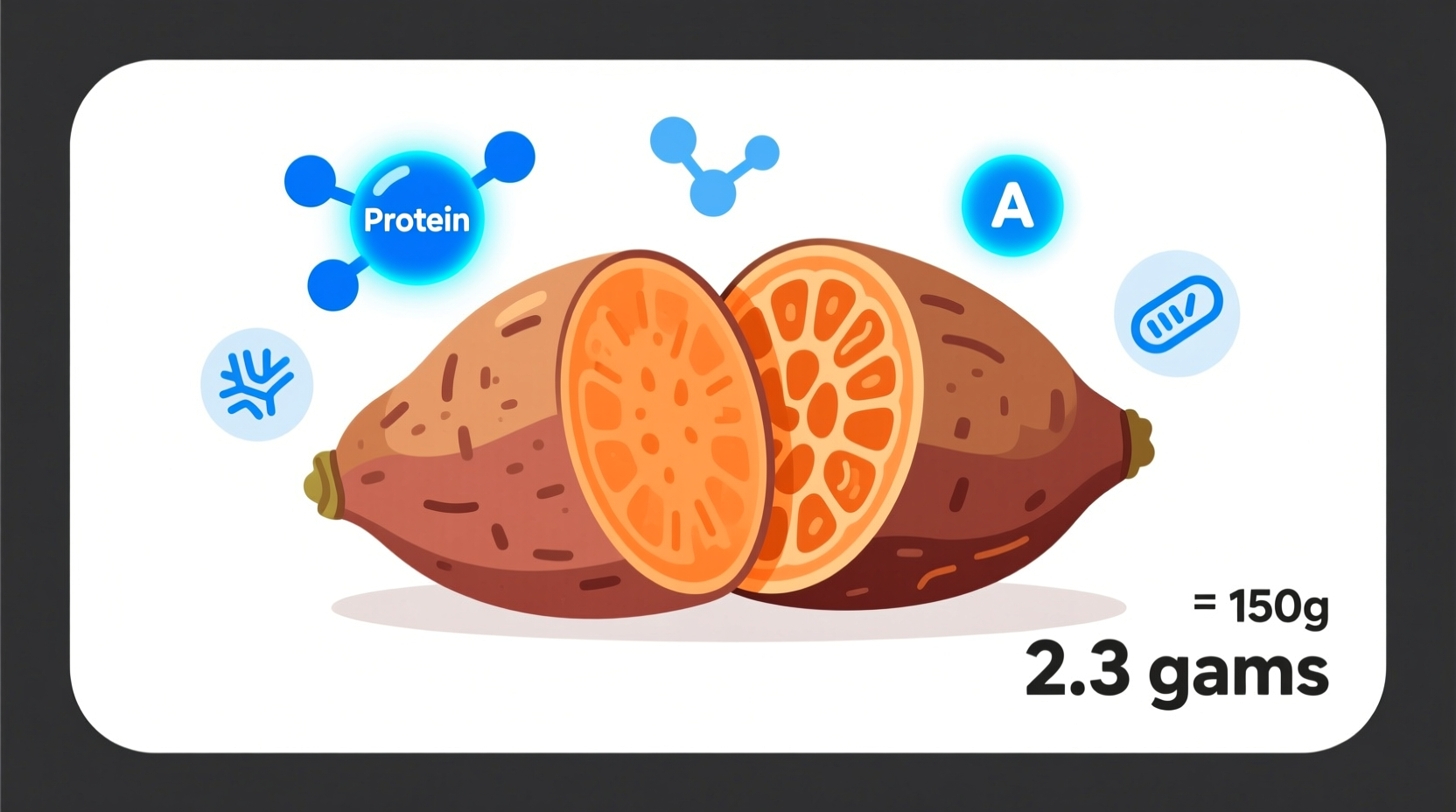
Why Sweet Potato Protein Matters for Your Diet
Understanding the protein content in sweet potatoes helps you make informed dietary choices, especially if you're following plant-based eating patterns or tracking macronutrients. Though primarily known for their complex carbohydrates and vitamin A, sweet potatoes contribute meaningful protein to your meals while delivering other essential nutrients.
Exact Protein Content: Verified Data
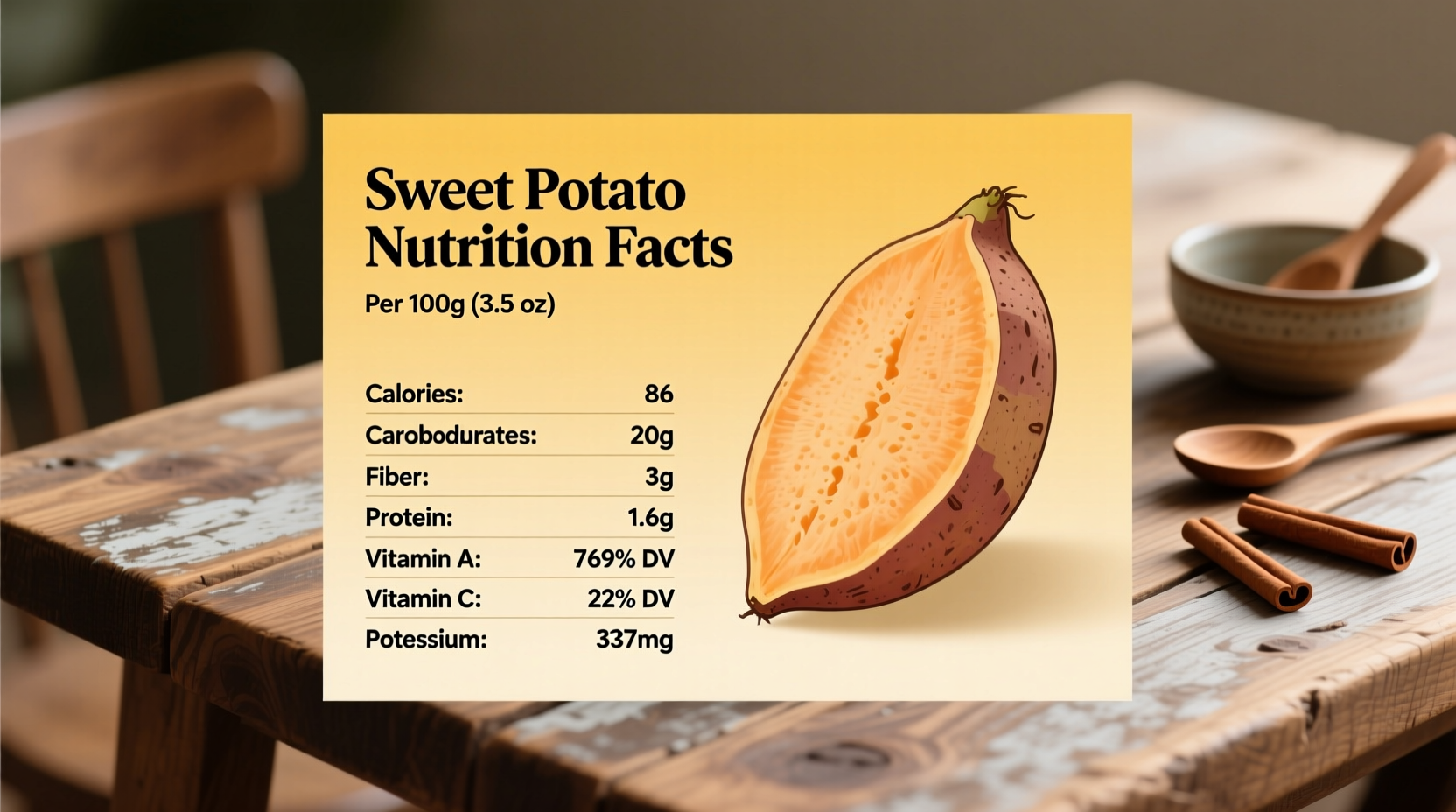
According to the USDA FoodData Central database, the protein content in sweet potatoes varies slightly based on preparation method:
| Serving Size | Preparation Method | Protein Content |
|---|---|---|
| 130g (medium) | Raw | 1.6g |
| 130g (medium) | Baked with skin | 2.0g |
| 100g | Boiled without skin | 1.5g |
| 1 cup mashed | Cooked | 3.9g |
This data comes from the USDA FoodData Central, the most reliable source for nutritional information in the United States. The slight increase in protein concentration when baked versus boiled occurs because water content decreases during baking, concentrating the nutrients.
How Sweet Potato Protein Compares to Other Foods
While sweet potatoes aren't protein powerhouses, they contribute meaningfully to your daily intake, especially when combined with other plant foods. Here's how they stack up against common protein sources:
| Food | Protein per 100g | Calories per 100g |
|---|---|---|
| Sweet potato (baked) | 1.5g | 86kcal |
| Chicken breast | 31g | 165kcal |
| Black beans | 8.9g | 132kcal |
| Quinoa | 4.4g | 120kcal |
| Almonds | 21g | 579kcal |
What makes sweet potato protein special is that it contains all nine essential amino acids, making it a complete protein source—rare among plant foods. However, the amounts of certain amino acids like leucine are lower than in animal proteins, which is why pairing sweet potatoes with complementary protein sources creates more balanced nutrition.
Practical Protein Pairing Strategies
To maximize the protein benefits of sweet potatoes in your meals, consider these evidence-based combinations:
- Sweet potato + black beans: Creates a complete amino acid profile while providing 12g of protein per meal
- Sweet potato + Greek yogurt: Adds 10g of high-quality protein to your sweet potato for breakfast
- Sweet potato + quinoa: Delivers 15g of protein plus complex carbohydrates for sustained energy
- Sweet potato + lentils: Provides 18g of protein plus iron and fiber for post-workout recovery
Contextual Factors Affecting Protein Content
Several factors influence the protein content you'll actually get from sweet potatoes:
- Variety differences: Orange-fleshed varieties contain slightly less protein than purple or white varieties
- Cooking method: Baking concentrates protein by reducing water content, while boiling can leach some nutrients
- Serving size: Larger sweet potatoes (200g+) can provide up to 3g of protein per serving
- Soil conditions: Studies show sweet potatoes grown in nitrogen-rich soil develop higher protein content
According to research published in the Journal of Food Composition and Analysis, sweet potato protein content can vary between 1.2-2.5g per 100g depending on growing conditions and variety.
Daily Protein Requirements Context
The National Institutes of Health recommends 0.8g of protein per kilogram of body weight for adults. For a 70kg (154lb) person, that's 56g daily. While a single sweet potato won't meet your protein needs, it contributes meaningfully to your total intake:
- Breakfast: Sweet potato toast with almond butter (6g protein)
- Lunch: Sweet potato and black bean bowl (14g protein)
- Dinner: Roasted sweet potatoes with lentils (18g protein)
This sample day provides 38g of protein from sweet potato-containing meals alone, demonstrating how they can be valuable components of a protein-conscious diet.
Common Misconceptions About Sweet Potato Protein
Several myths persist about sweet potato nutrition that deserve clarification:
- Myth: Sweet potatoes are just empty carbohydrates with no protein value
Fact: They provide complete protein plus fiber and micronutrients that enhance protein utilization - Myth: The protein in sweet potatoes is inferior to animal proteins
Fact: While lower in quantity, sweet potato protein contains all essential amino acids and comes with additional health benefits - Myth: Cooking destroys sweet potato protein
Fact: Proper cooking actually improves protein digestibility by breaking down cellular structures
Maximizing Protein Absorption from Sweet Potatoes
Research shows you can enhance protein utilization from sweet potatoes through these practical techniques:
- Pair with vitamin C-rich foods: Bell peppers or citrus with sweet potatoes increases iron absorption, which supports protein metabolism
- Include healthy fats: Olive oil or avocado with sweet potatoes helps absorb fat-soluble vitamins that support protein utilization
- Combine with complementary proteins: Beans, lentils, or quinoa provide amino acids that sweet potatoes lack in sufficient quantities
- Avoid overcooking: Excessive boiling can leach water-soluble nutrients that support protein metabolism
A study from the National Center for Biotechnology Information confirms that combining plant proteins throughout the day creates complete amino acid profiles comparable to animal proteins.
When Sweet Potatoes Shine as Protein Contributors
Sweet potatoes work particularly well as protein contributors in these dietary contexts:
- Post-workout recovery meals: Their carbohydrate-protein combination replenishes glycogen while supporting muscle repair
- Vegetarian and vegan diets: They provide complete protein plus nutrients often lacking in plant-based eating
- Child nutrition: Mild flavor and nutrient density make them ideal for developing palates
- Elderly nutrition: Soft texture and balanced nutrients support protein needs in aging populations
However, sweet potatoes shouldn't be your primary protein source if you have significantly elevated protein requirements, such as during intense athletic training or certain medical conditions requiring high-protein diets.
Practical Sweet Potato Protein Integration
Here are three simple ways to boost protein content in sweet potato dishes:
- Breakfast boost: Mash cooked sweet potato with Greek yogurt and a scoop of protein powder for 25g of protein
- Lunch enhancement: Top roasted sweet potato cubes with chickpeas and tahini dressing for 18g of protein
- Dinner upgrade: Serve baked sweet potato alongside tempeh and steamed greens for 22g of complete protein
These combinations transform sweet potatoes from a side dish into protein-rich meals that satisfy both nutritional needs and taste preferences.
Final Thoughts on Sweet Potato Nutrition
While sweet potatoes won't replace your primary protein sources, they offer valuable nutritional benefits that complement protein intake. Their complete protein profile, combined with exceptional vitamin and mineral content, makes them a smart addition to balanced diets. By understanding exactly how much protein a sweet potato has and how to maximize its nutritional value through strategic food pairings, you can make informed choices that support your health goals without compromising on flavor or variety.




 浙公网安备
33010002000092号
浙公网安备
33010002000092号 浙B2-20120091-4