
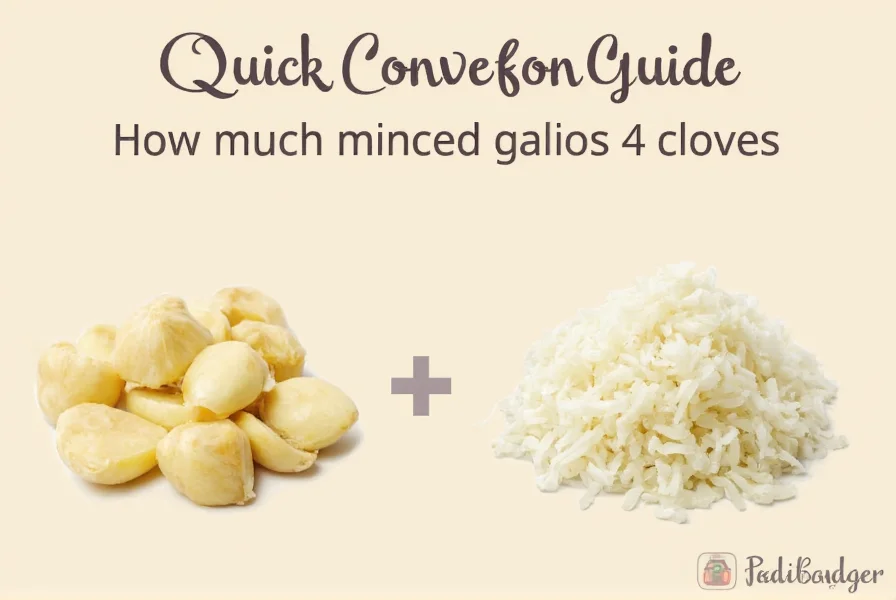
When following recipes that specify garlic in cloves but you're working with minced garlic, knowing exact conversions prevents flavor imbalances in your dishes. The standard measurement for minced garlic from fresh cloves provides consistency whether you're preparing a delicate sauce or a robust stir-fry.
Understanding Garlic Conversions
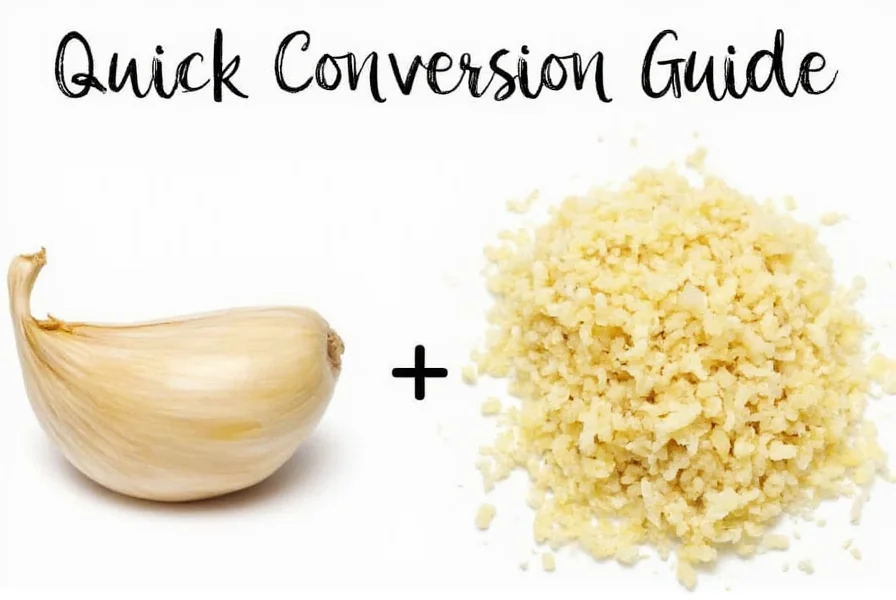
Garlic measurements can vary based on clove size, but professional chefs and culinary experts generally agree on standard conversions. A single medium garlic clove, when properly minced, yields about ½ teaspoon of minced garlic. This ratio creates a reliable foundation for recipe adjustments.
| Garlic Cloves | Minced Garlic Equivalent | Garlic Powder Equivalent |
|---|---|---|
| 1 clove | ½ teaspoon | ⅛ teaspoon |
| 2 cloves | 1 teaspoon | ¼ teaspoon |
| 3 cloves | 1½ teaspoons | ⅜ teaspoon |
| 4 cloves | 1½-2 teaspoons | ½ teaspoon |
| 6 cloves | 1 tablespoon | ¾ teaspoon |
Factors Affecting Garlic Measurements
Several variables influence the precise conversion from whole cloves to minced garlic:
- Clove size: Garlic cloves vary significantly in size. A small clove might yield only ⅓ teaspoon while an extra-large clove could produce up to 1 teaspoon of minced garlic
- Mincing technique: Hand-minced garlic typically compacts less than machine-processed garlic, affecting volume
- Moisture content: Freshly minced garlic contains more moisture than jarred varieties, which can affect measurement density
- Packing: How tightly you pack minced garlic into measuring spoons impacts the actual quantity used
Working with Different Garlic Forms
Understanding conversions between various garlic preparations ensures recipe success:
Fresh Garlic to Minced Garlic
When converting fresh garlic cloves to minced form, remember that 4 medium cloves equal 1½-2 teaspoons minced. For larger recipes, 8-10 cloves typically fill 1 tablespoon of minced garlic.
Minced Garlic to Garlic Powder
When substituting jarred minced garlic for garlic powder, use this ratio: 1 teaspoon minced garlic equals ¼ teaspoon garlic powder. Therefore, 4 cloves (1½-2 teaspoons minced) would substitute for ½ teaspoon garlic powder.
Using Pre-Minced Garlic from Jars
Commercially prepared minced garlic often contains preservatives that affect potency. When using jarred minced garlic as a substitute for fresh:
- Reduce the amount by 25-30% (4 cloves fresh ≈ 1-1¼ teaspoons jarred)
- Add jarred garlic later in the cooking process to preserve flavor
- Stir in jarred garlic during the last 2-3 minutes of cooking for optimal taste
Practical Cooking Applications
Knowing how many teaspoons is 4 cloves of garlic minced proves invaluable across various cooking scenarios. When preparing Italian sauces, the standard ratio of 4 cloves to 1½ teaspoons minced garlic creates the perfect aromatic base without overwhelming other ingredients.
For stir-fries and quick-cooking dishes, precise garlic measurements prevent burning. Since minced garlic cooks faster than whole cloves, using the correct amount (approximately 1½ teaspoons for 4 cloves) ensures proper flavor development without bitterness.
When Precision Matters Most
Certain recipes demand exact garlic measurements for optimal results:
- Vinaigrettes and delicate sauces: Where garlic can dominate other flavors
- Marinades for lean proteins: Excess garlic can make chicken or fish bitter
- Preserves and pickling solutions: Where precise acid-base balance is crucial
- Garlic-infused oils: Safety concerns with improper garlic-to-oil ratios
For most everyday cooking, however, the standard conversion of how much minced garlic equals 4 cloves provides sufficient accuracy. Experienced cooks often adjust based on garlic variety and personal taste preferences.
Common Questions About Garlic Measurements
How much minced garlic equals 4 large cloves?
Four large garlic cloves typically yield 2 teaspoons of minced garlic. Large cloves can be up to 50% bigger than standard medium cloves, so they produce more minced garlic per clove. When working with particularly large cloves, measure carefully as four extra-large cloves might approach 2½ teaspoons minced.
Can I substitute garlic powder for 4 cloves of fresh garlic?
Yes, you can substitute garlic powder for fresh garlic. For 4 cloves of fresh garlic, use ½ teaspoon of garlic powder. Remember that garlic powder has a more concentrated flavor than fresh, so start with less and adjust to taste. When substituting, add garlic powder earlier in the cooking process than you would fresh garlic since it needs time to rehydrate and develop flavor.
Does the conversion change if I roast the garlic first?
Yes, roasting garlic reduces its volume. Four roasted garlic cloves yield approximately 1 teaspoon of minced roasted garlic, compared to 1½ teaspoons for raw cloves. The roasting process removes moisture and concentrates flavors, so you'll need less roasted garlic to achieve similar flavor intensity. When substituting roasted for raw garlic, use about 30% less by volume.
How do I measure minced garlic accurately?
To measure minced garlic accurately, use a dry measuring spoon and lightly pack the garlic without compressing it. Level off the top with a straight edge for precision. For small amounts like ½ teaspoon, use measuring spoons specifically designed for spices. When working with jarred minced garlic, drain excess liquid first as it can throw off your measurements. For critical recipes, consider weighing minced garlic (1 teaspoon weighs approximately 5 grams).
Why does my recipe call for cloves instead of measurements?
Recipes often specify garlic by cloves because size varies naturally, and experienced cooks adjust based on actual clove size. This approach acknowledges that garlic potency differs by variety and season. When a recipe says "4 cloves," it assumes you'll use medium-sized cloves and adjust to taste. Professional recipes sometimes provide both measurements ("4 medium cloves, about 1½ teaspoons minced") for maximum precision, especially in baking or delicate sauces where exact ratios matter.




 浙公网安备
33010002000092号
浙公网安备
33010002000092号 浙B2-20120091-4