
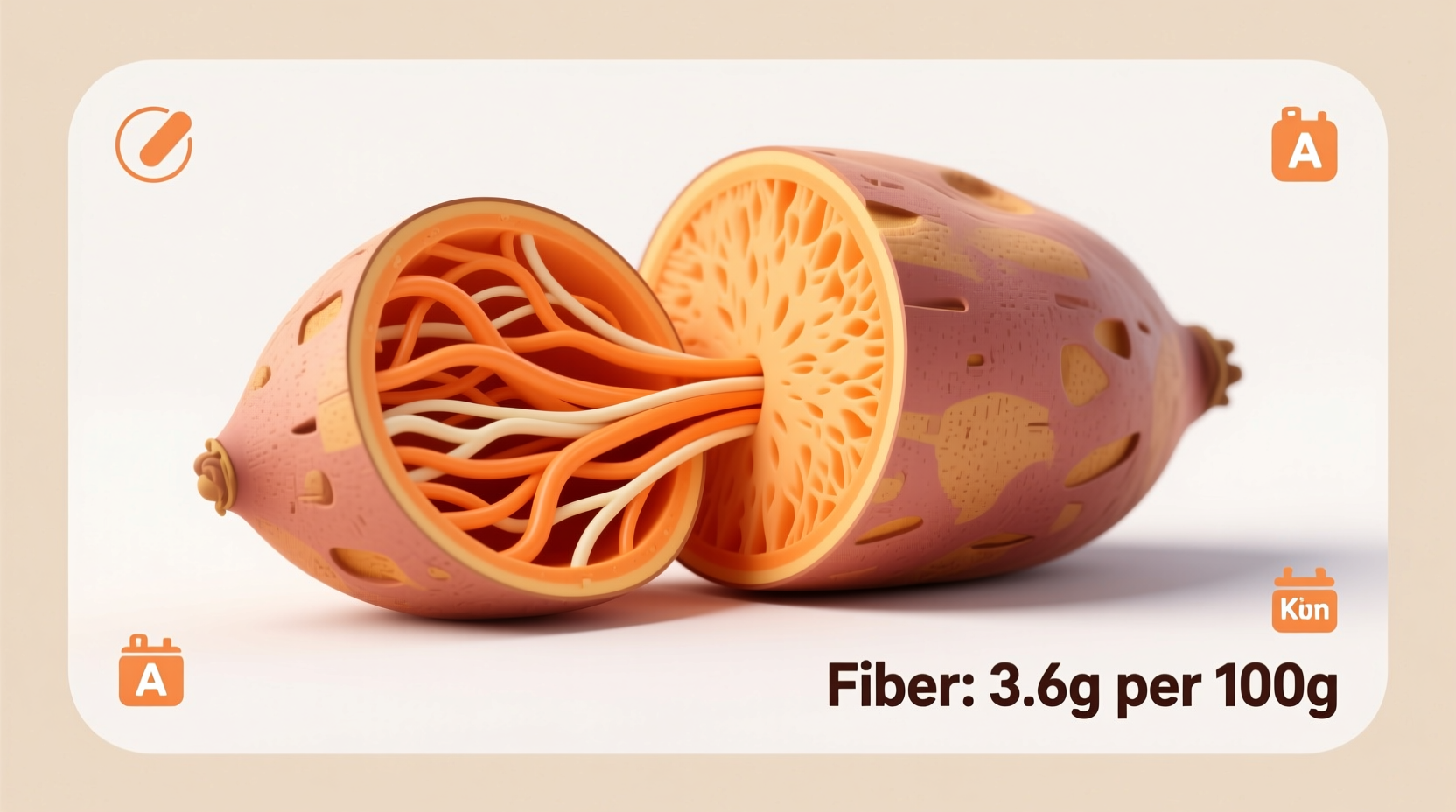
A medium-sized sweet potato (130g) with skin contains approximately 3.8 grams of dietary fiber, providing about 14% of the recommended daily fiber intake for adults. This vibrant root vegetable delivers both soluble and insoluble fiber that supports digestive health, blood sugar regulation, and heart health.
Discover exactly how sweet potatoes can boost your daily fiber intake and why this humble root vegetable deserves a regular spot in your meal planning. Whether you're managing digestive issues, watching your blood sugar, or simply aiming for better overall health, understanding the precise fiber content in sweet potatoes helps you make informed dietary choices.
Why Fiber Matters in Your Daily Nutrition
Fiber plays a crucial role in maintaining optimal health, yet most adults consume only half the recommended daily amount. The American Heart Association recommends 25-30 grams of fiber daily from food sources, not supplements. Sweet potatoes offer a delicious way to bridge this gap while providing essential vitamins and minerals.
Unlike refined carbohydrates, the natural fiber in sweet potatoes slows digestion, preventing blood sugar spikes while keeping you feeling full longer. This makes them particularly valuable for weight management and diabetes prevention strategies.
Sweet Potato Fiber Content: Breaking Down the Numbers
Understanding the precise fiber content requires examining serving sizes and preparation methods. Here's what the data shows from the USDA FoodData Central database:
| Serving Size | Preparation Method | Total Fiber (grams) | % Daily Value |
|---|---|---|---|
| 1 medium (130g) | With skin, baked | 3.8g | 14% |
| 1 cup cubes (200g) | Boiled, with skin | 6.6g | 24% |
| 100g | Raw, with skin | 3.0g | 11% |
| 1 medium (130g) | Without skin, baked | 2.5g | 9% |
Source: USDA FoodData Central, Accession ID: FDC170267
Notice the significant difference when consuming sweet potatoes with their skin intact. The skin contains nearly half the total fiber content, making peeling counterproductive if your goal is maximizing fiber intake. This fact often surprises people who automatically remove the skin before cooking.
How Sweet Potato Fiber Compares to Other Common Foods
Understanding where sweet potatoes stand among other fiber sources helps put their nutritional value in perspective:
| Food Item | Serving Size | Total Fiber (grams) |
|---|---|---|
| Sweet potato with skin | 1 medium (130g) | 3.8g |
| Regular potato with skin | 1 medium (150g) | 2.6g |
| Apple with skin | 1 medium (182g) | 4.4g |
| 100% whole wheat bread | 1 slice (28g) | 2.0g |
| Black beans | ½ cup (86g) | 7.5g |
While sweet potatoes don't match the fiber density of legumes, they outperform many common starchy foods. Their advantage lies in the combination of fiber with essential nutrients like vitamin A, vitamin C, and potassium.
Maximizing Fiber Benefits: Smart Preparation Tips
How you prepare sweet potatoes significantly impacts their fiber effectiveness. Consider these evidence-based strategies:
- Keep the skin on - As shown in the data, removing the skin reduces fiber content by nearly 35%. Thoroughly scrub sweet potatoes instead of peeling.
- Pair with healthy fats - The fat-soluble vitamin A in sweet potatoes absorbs better when consumed with healthy fats like olive oil or avocado.
- Cool before eating - Allowing cooked sweet potatoes to cool creates resistant starch, which functions like additional fiber in your digestive system.
- Combine with other fiber sources - Add black beans or chickpeas to sweet potato dishes for a fiber-boosting synergy.

The Dual Fiber Advantage: Soluble vs. Insoluble
Sweet potatoes contain both types of dietary fiber, each providing distinct health benefits:
Soluble fiber (about 40% of total fiber) dissolves in water to form a gel-like substance that helps regulate blood sugar and lower cholesterol. This component makes sweet potatoes particularly valuable for heart health and diabetes management.
Insoluble fiber (about 60% of total fiber) adds bulk to your stool and speeds the passage of food through your digestive system. This promotes regular bowel movements and prevents constipation.
This balanced fiber profile explains why registered dietitians often recommend sweet potatoes as part of digestive health protocols. Unlike some high-fiber foods that cause bloating, sweet potatoes typically provide gentle digestive support.
Practical Ways to Incorporate More Sweet Potato Fiber
Adding sweet potatoes to your diet doesn't require dramatic changes. Try these simple approaches:
- Replace half your mashed potatoes with mashed sweet potatoes for twice the fiber
- Add diced sweet potatoes to morning omelets or frittatas
- Roast sweet potato cubes with herbs for a fiber-rich side dish
- Blend cooked sweet potato into smoothies for added creaminess and fiber
- Create sweet potato "toast" slices as a fiber-packed alternative to grain toast
For those monitoring carbohydrate intake, remember that the fiber in sweet potatoes offsets their natural sugars. The glycemic load of a medium sweet potato is just 15, making it suitable for most blood sugar management plans when consumed in appropriate portions.
Special Considerations for Different Dietary Needs
While sweet potatoes benefit most people, certain situations require attention to portion sizes:
- Digestive sensitivity - Those with irritable bowel syndrome may need to monitor intake, as the fiber can trigger symptoms during flare-ups
- Kidney concerns - The high potassium content requires moderation for those with kidney disease
- Weight management - While fiber promotes fullness, sweet potatoes still contain calories (about 103 per medium potato)
For most healthy adults, enjoying one medium sweet potato daily provides significant fiber benefits without adverse effects. The key is maintaining variety in your fiber sources throughout the week.
Why Sweet Potatoes Outperform Many Fiber Supplements
While fiber supplements have their place, whole food sources like sweet potatoes offer advantages that isolated fibers cannot match:
- Natural combination of both soluble and insoluble fiber types
- Additional nutrients including 400% of daily vitamin A needs
- Better tolerance with fewer digestive side effects
- Enhanced satiety from the physical bulk of whole food
Research published in the American Journal of Clinical Nutrition shows that fiber from whole foods provides greater health benefits than isolated fiber supplements, particularly for cardiovascular health and gut microbiome diversity.
Putting It All Together: Your Sweet Potato Fiber Plan
Start incorporating sweet potatoes strategically into your meal planning:
- Begin with one medium sweet potato 3-4 times weekly
- Always consume with skin for maximum fiber benefit
- Pair with protein and healthy fats for balanced meals
- Track your total daily fiber intake to reach 25-30g
- Rotate with other high-fiber foods to maintain diversity
Within weeks, many people notice improved digestion, more stable energy levels, and reduced cravings. These changes reflect the powerful impact of consistent, quality fiber intake from whole food sources.
Frequently Asked Questions
Does cooking method affect sweet potato fiber content?
Cooking method has minimal impact on total fiber content, but affects fiber availability. Baking preserves slightly more fiber than boiling, but both methods maintain most fiber. The most significant factor is whether you eat the skin - removing it reduces fiber by about 35%. Cooling cooked sweet potatoes increases resistant starch, which functions as additional fiber in your digestive system.
How many sweet potatoes should I eat daily for sufficient fiber?
One medium sweet potato (130g) provides about 14% of daily fiber needs. For most adults, consuming 1-2 medium sweet potatoes daily as part of a varied diet helps reach the recommended 25-30g of fiber. Remember to include other fiber sources like vegetables, fruits, legumes, and whole grains for optimal digestive health and microbiome diversity.
Is sweet potato better than regular potato for fiber intake?
Yes, sweet potatoes contain significantly more fiber than regular potatoes. A medium sweet potato with skin provides 3.8g of fiber compared to 2.6g in a similar-sized regular potato. Sweet potatoes also offer more vitamins and antioxidants. Both provide valuable nutrients, but sweet potatoes deliver superior fiber content and nutritional profile, especially when consumed with the skin.
Can sweet potatoes help with constipation relief?
Yes, sweet potatoes can effectively help relieve constipation due to their balanced mix of soluble and insoluble fiber. The insoluble fiber adds bulk to stool while soluble fiber helps retain water in the digestive tract. For best results, consume sweet potatoes with adequate water intake and as part of a high-fiber diet. Many people notice improved regularity within 24-48 hours of adding sweet potatoes to their diet.
Does the fiber in sweet potatoes affect blood sugar differently than other carbohydrates?
Yes, the fiber in sweet potatoes significantly moderates their impact on blood sugar. The combination of fiber, water content, and natural compounds slows carbohydrate digestion, resulting in a lower glycemic load (15) compared to many other starchy foods. This makes sweet potatoes suitable for most blood sugar management plans when consumed in appropriate portions (typically ½ to 1 medium potato per meal) and paired with protein and healthy fats.




 浙公网安备
33010002000092号
浙公网安备
33010002000092号 浙B2-20120091-4