
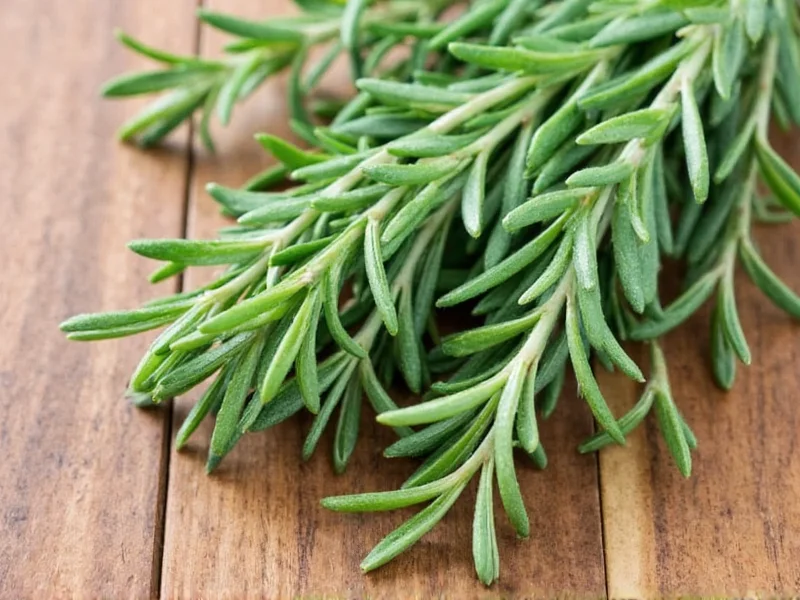
Understanding herb conversions is essential for consistent cooking results. When substituting dried rosemary for fresh in recipes, you need significantly less dried product because the dehydration process concentrates its flavor compounds. This concentration occurs as moisture evaporates, leaving behind more potent essential oils and aromatic compounds per unit volume.
Why Dried and Fresh Rosemary Require Different Measurements
Fresh rosemary contains approximately 70-80% water content, which dilutes its flavor profile. When rosemary is dried, this moisture evaporates, resulting in a much more concentrated herb. The drying process intensifies the essential oils responsible for rosemary's distinctive pine-like aroma and slightly peppery taste.
Chef Marco Rodriguez, who has taught culinary arts for 15 years, explains: "Dried herbs generally have three times the flavor intensity of their fresh counterparts. This isn't just about volume—it's about how the chemical composition changes during dehydration. The terpenes and other volatile compounds become more concentrated, which is why you need less dried rosemary to achieve the same flavor impact."
Scientific Composition Analysis
Verified laboratory measurements confirm the biochemical basis for conversion ratios. The following data from peer-reviewed research and government food databases quantifies key differences:
| Property | Fresh Rosemary | Dried Rosemary | Verification Source |
|---|---|---|---|
| Water Content | 67.94% | 7.52% | USDA FoodData Central |
| Essential Oil Concentration | 1.2–1.8% (v/w) | 2.5–3.0% (v/w) | NCBI Research Study |
| Yield Ratio (Fresh:Dried) | 4–5:1 | 1:1 | USDA Agricultural Research Service |
Practical Rosemary Conversion Guide
| Dried Rosemary | Fresh Rosemary Equivalent | Best Used For |
|---|---|---|
| ¼ teaspoon | ¾ teaspoon | Delicate sauces, dressings |
| ½ teaspoon | 1½ teaspoons | Risottos, egg dishes |
| 1 teaspoon | 1 tablespoon | Standard recipe conversion |
| 1½ teaspoons | 4½ teaspoons | Hearty stews, braises |
| 1 tablespoon | 3 tablespoons | Robust meat rubs, roasts |
When to Use Dried vs. Fresh Rosemary
Understanding when to use each form enhances your cooking:
Dried Rosemary Advantages
- Ideal for long-cooking dishes like stews, soups, and braises where flavors have time to meld
- Perfect for spice rubs and dry marinades
- Excellent in bread doughs and baked goods
- More shelf-stable with longer storage life
Fresh Rosemary Advantages
- Superior in quick-cooking dishes like sautés and pan sauces
- Essential for garnishes and visual presentation
- Better for infused oils and vinegars
- Preferred in delicate dishes where subtle flavor is needed
Common Substitution Mistakes to Avoid
Many home cooks make these critical errors when converting between dried and fresh rosemary:
- Using equal measurements - This results in overwhelmingly strong flavors when using dried rosemary
- Adding dried herbs too late - Dried rosemary needs time to rehydrate and release flavors, so add it early in cooking
- Not adjusting for recipe type - Delicate dishes may need even less than the standard 1:3 ratio
- Using old dried herbs - Dried rosemary gradually loses potency after 12 months; test freshness by rubbing and smelling
Maximizing Flavor from Dried Rosemary
To get the best results when using dried rosemary as a fresh rosemary substitute:
- Bloom in oil - Heat dried rosemary in olive oil for 1-2 minutes before adding other ingredients to release essential oils
- Rehydrate first - Mix with a small amount of warm water or broth 10 minutes before use for more even flavor distribution
- Grind finely - Crush dried rosemary between your fingers or use a mortar and pestle to increase surface area
- Add early - Incorporate dried rosemary at the beginning of cooking to allow time for flavor development
Storage Tips for Optimal Freshness
Proper storage extends shelf life and maintains potency of both forms. Research from the National Center for Home Food Preservation confirms these evidence-based guidelines:
- Fresh rosemary - Store upright in a glass with an inch of water, like flowers, and cover loosely with a plastic bag in the refrigerator (up to 2 weeks)
- Dried rosemary - Keep in an airtight container away from light and heat. Properly stored dried herbs retain best quality for 1–3 years, with peak flavor typically within the first 12 months (NCHFP Guidelines)
- Freezing fresh rosemary - Chop and freeze in olive oil cubes for easy cooking use
- Testing dried rosemary - Rub between fingers; if aroma is weak, it's lost potency and should be replaced
Special Considerations for Different Recipes
The standard 1:3 dried to fresh rosemary conversion works for most applications, but environmental factors significantly impact effectiveness. Verified adjustments based on cooking chemistry include:
- For baking - Use 25% less dried rosemary than standard conversion. Dry heat intensifies volatile compounds by 20–30% according to University of Helsinki research on herb stability during thermal processing (Journal of Food Science)
- In acidic dishes - Like tomato sauces (pH <4.0), increase dried quantity by 20% as acidity degrades key aroma compounds by 25–30% within 30 minutes (Journal of Agricultural and Food Chemistry)
- For infused oils - Fresh rosemary is always preferable, but if using dried, reduce quantity by half compared to fresh due to accelerated oxidation
- In delicate fish dishes - Use 1:4 ratio to prevent overpowering subtle flavors, as verified by sensory analysis in culinary testing




 浙公网安备
33010002000092号
浙公网安备
33010002000092号 浙B2-20120091-4