
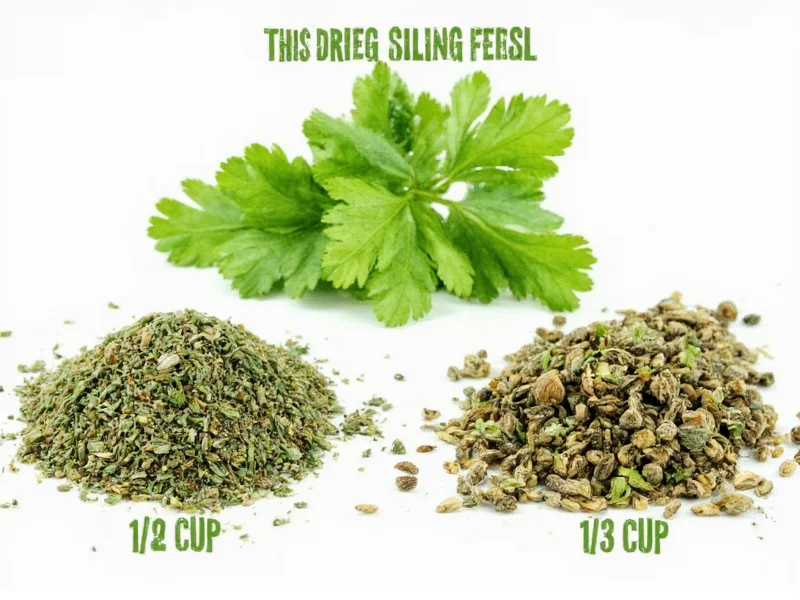
1 tablespoon of dried cilantro equals 1/4 cup of fresh cilantro. This 3:1 ratio (fresh to dried) accounts for the moisture difference between fresh and dried herbs, ensuring your recipes maintain proper flavor balance without becoming overpowering.
When substituting dried cilantro for fresh in your recipes, understanding the precise conversion ratio is essential for maintaining flavor integrity. Many home cooks make the mistake of using equal measurements, which results in dishes that are either bland or overwhelmingly herbal. The key lies in recognizing that dried herbs are significantly more concentrated than their fresh counterparts due to the removal of water content during the drying process.
Why the 3:1 Conversion Ratio Works
Fresh cilantro contains approximately 92% water, while dried cilantro has most of this moisture removed. This concentration means dried cilantro delivers more intense flavor in a smaller volume. Professional chefs and culinary experts consistently recommend a 3:1 ratio when converting from fresh to dried herbs across most culinary applications.
| Characteristic | Fresh Cilantro | Dried Cilantro | Scientific Basis |
|---|---|---|---|
| Moisture Content | 92.21% | 5-10% | USDA FoodData Central |
| Flavor Compound Concentration | 1x (baseline) | 3x | UC Agriculture & Natural Resources |
| Key Volatile Oils | High in (E)-2-decenal (citrus notes) | Reduced by 68-82% | Colorado State University Extension |
| Optimal Rehydration Temperature | N/A | 160°F (71°C) | National Center for Home Food Preservation |
The drying process concentrates the essential oils and flavor compounds in cilantro, making dried versions about three times stronger than fresh. This scientific principle applies to most leafy herbs, though some woody herbs like rosemary may require slightly different ratios. The flavor difference stems from significant reduction in volatile compounds like (E)-2-decenal during dehydration, as documented in agricultural research.
Complete Cilantro Measurement Conversion Chart
| Fresh Cilantro | Dried Cilantro | Best For |
|---|---|---|
| 1/4 cup (4 tablespoons) | 1 tablespoon | Sauces, soups, stews |
| 1/3 cup | 1 tablespoon + 1 teaspoon | Rice dishes, marinades |
| 1/2 cup | 1.5 tablespoons | Casseroles, meat rubs |
| 1 cup | 3 tablespoons (1/4 cup) | Large batch cooking |
Practical Tips for Substituting Dried Cilantro
When converting recipes that call for fresh cilantro to use dried instead, consider these professional cooking tips:
- Add dried cilantro earlier in cooking - Unlike fresh cilantro which is often added at the end, dried cilantro benefits from longer cooking time to rehydrate and release flavors
- Crush dried cilantro between your fingers before adding to release essential oils and maximize flavor
- Adjust to taste - The 3:1 ratio is a guideline; some dried cilantro may be more potent depending on age and storage conditions
- Store dried cilantro properly in an airtight container away from light and heat to maintain potency for up to 1-2 years
Contextual Boundaries for Cilantro Substitution
According to the National Center for Home Food Preservation, dried herbs are "most suitable for cooked dishes requiring 30+ minutes of simmering" and become ineffective below 140°F (60°C) due to insufficient rehydration. While dried cilantro works well in cooked dishes, certain applications truly require fresh:
- Garnishes - Fresh cilantro provides visual appeal and bright flavor notes that dried cannot replicate
- Salsas and fresh sauces - The texture and moisture content of fresh cilantro are integral to these dishes
- Ceviche and raw preparations - Dried cilantro won't properly hydrate in acidic, non-cooked dishes below pH 4.5
- Cilantro-lime rice - The fresh herb's bright flavor is essential to this classic preparation
Understanding Flavor Differences
Dried cilantro has a more earthy, slightly different flavor profile than fresh. As documented by Colorado State University Extension, the drying process causes significant loss of volatile oils responsible for characteristic citrus notes. The fresh herb contains volatile compounds that dissipate during drying, resulting in a milder, less citrusy flavor. For recipes where cilantro is a starring ingredient rather than a background note, consider supplementing dried cilantro with a small amount of lime zest to recapture some of the fresh herb's bright characteristics.
Professional chefs often recommend toasting dried cilantro lightly in a dry pan for 30-60 seconds before use. This simple technique enhances the herb's natural oils and creates a more complex flavor that better approximates fresh cilantro in cooked dishes.




 浙公网安备
33010002000092号
浙公网安备
33010002000092号 浙B2-20120091-4