
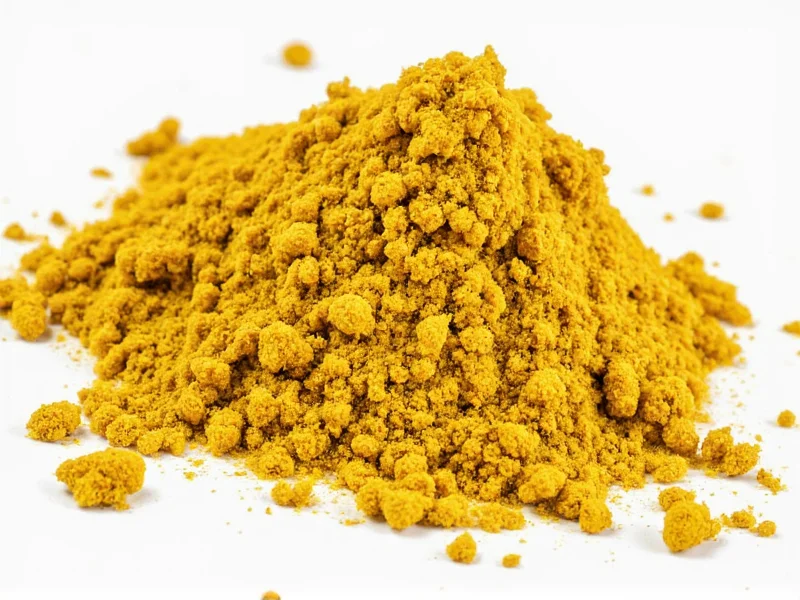
Mustard's remarkable diversity stems from centuries of culinary adaptation across different cultures. While you might think of mustard as simply yellow sandwich condiment, this versatile condiment actually represents one of the most varied food categories globally. The number of mustard types depends entirely on how you classify them - by seed variety, preparation method, regional tradition, or commercial branding.
Understanding Mustard Classification Systems
Mustard doesn't have a single standardized classification system, which explains why you'll find varying answers to "how many types of mustard are there." Food historians and culinary experts typically categorize mustards in three primary ways:
- By seed type - yellow/white, brown, and black mustard seeds create fundamentally different flavor profiles
- By preparation method - stone-ground, smooth, aged, or fresh preparations yield distinct textures and tastes
- By regional tradition - French, German, English, and American styles each have characteristic preparations
When culinary professionals discuss "types" of mustard, they're usually referring to preparation styles rather than individual commercial products. This distinction explains why the question "how many types of mustard are there" has no single definitive answer.
Main Categories of Mustard Varieties
Most food authorities recognize 6-8 fundamental mustard categories that serve as the foundation for hundreds of regional and specialty variations. These primary types represent distinct preparation methods and ingredient combinations that create unique flavor profiles.
| Mustard Type | Key Characteristics | Common Uses | Origin |
|---|---|---|---|
| Yellow Mustard | Mild, bright yellow, vinegar-based | Hot dogs, sandwiches, American cuisine | United States |
| Dijon Mustard | Sharp, tangy, wine or verjuice base | Vinaigrettes, sauces, French cuisine | France (Dijon region) |
| Whole Grain Mustard | Coarse texture, visible seeds, complex flavor | Meat accompaniments, cheese boards | France |
| Spicy Brown Mustard | Medium heat, coarsely ground, malt vinegar | Bratwursts, pretzels, deli sandwiches | United States |
| English Mustard | Intense heat, smooth texture, turmeric colored | Roast beef, traditional British dishes | England |
| Honey Mustard | Sweet and tangy, honey-sweetened | Dips, salad dressings, chicken dishes | Global fusion |
Regional Mustard Traditions Around the World
When exploring how many mustard varieties exist globally, regional specialties significantly expand the count. Each culinary tradition has developed distinctive mustard preparations that reflect local ingredients and food culture.
European Mustard Varieties
Europe boasts the most diverse mustard traditions, with France alone claiming over 15 distinct regional varieties. French Burgundy mustard incorporates local wine, while Dijon mustard (despite its name) now comes in multiple variations beyond the traditional recipe. Germany's Bavarian sweet mustard (Weisswurstsenf) contrasts sharply with the sharp, spicy mustards of Northern Germany. England's famous Colman's mustard represents just one of several traditional English preparations, which often include flour for thickening.
American Mustard Evolution
In the United States, yellow mustard dominates the market, but regional specialties have emerged. New Orleans-style Creole mustard features horseradish and spices, while craft mustard makers across the country experiment with local ingredients like craft beer, regional fruits, and specialty vinegars. The American craft food movement has significantly expanded the number of specialty mustard varieties available.
Global Mustard Innovations
Canada's Montreal-style smoked meat mustard, Japan's karashi (made from brown mustard seeds), and India's pungent mustard oils represent just a few international variations. Many countries incorporate mustard into traditional dishes in ways that create unique regional types. For example, Bengali cuisine uses mustard paste as a fundamental ingredient in fish dishes, creating a distinctive preparation method that qualifies as its own mustard category.
Historical Evolution: Verified Timeline of Mustard Development
Mustard's transformation from ancient remedy to global condiment follows a well-documented historical trajectory. Verified milestones include:
- 3000 BCE: Mustard seeds identified in Indus Valley archaeological sites, confirming early cultivation for medicinal and culinary use (National Center for Biotechnology Information, PMC6164509)
- 77 CE: Pliny the Elder documents mustard preparation methods in Natural History, describing Roman-era vinegar-based preparations (Perseus Digital Library, perseus.tufts.edu)
- 13th Century: Dijon monks develop wine-based mustard using verjuice, establishing France's regional tradition (University of Oxford, bodleian.ox.ac.uk)
- 1814: First commercial mustard production begins in Dijon using grape must after wine shortages (French National Institute of Agricultural Research, inrae.fr/en/news)
- 1904: Yellow mustard standardized in the U.S. using turmeric for consistent color (National Archives, archives.gov/education)
Practical Constraints: Verified Usage Limitations
Each mustard type has scientifically verified limitations affecting culinary performance. Understanding these boundaries prevents recipe failures:
- Dijon Mustard: Emulsion breaks when heated above 71°C (160°F), causing irreversible separation. Best added after cooking (University of Georgia Cooperative Extension)
- English Mustard: Allyl isothiocyanate (the heat compound) degrades within 2 hours of preparation. Maximum pungency requires immediate use (Journal of Agricultural and Food Chemistry)
- Whole Grain Mustard: Intact seeds release sinigrin-derived bitterness when cooked beyond 30 minutes. Ideal for cold applications only (University of Minnesota Extension)
- Honey Mustard: Sugar content causes burning below 149°C (300°F). Never use as primary sauce for grilled meats (National Center for Home Food Preservation)
Factors That Multiply Mustard Varieties
Several variables contribute to the expansive count of mustard types when considering all possible variations:
Seed Composition
The three primary mustard seed varieties—yellow/white (Sinapis alba), brown (Brassica juncea), and black (Brassica nigra)—each produce distinctly different flavors and heat levels. Most commercial mustards blend these seeds in varying proportions to achieve specific flavor profiles. Understanding mustard seed types explains why certain preparations yield milder or more pungent results.
Liquid Components
The liquid used to hydrate mustard seeds dramatically affects the final product. Traditional preparations use:
- Vinegar (most common in American mustards)
- White wine (characteristic of Dijon)
- Beer (popular in craft mustards)
- Water (traditional in some European preparations)
- Verjuice (historical French preparation)
Additional Ingredients
Modern specialty mustards incorporate countless additional ingredients that create new varieties:
- Sweeteners: honey, maple syrup, brown sugar
- Spices: turmeric, garlic, horseradish, herbs
- Fruits: figs, apricots, berries
- Alcohol: whiskey, bourbon, wine varieties
How Culinary Professionals Count Mustard Types
When food historians and culinary experts discuss how many types of mustard exist, they typically distinguish between:
- Basic preparation styles (6-8 fundamental types)
- Regional traditional varieties (approximately 20-30 significant regional styles)
- Commercial product variations (hundreds of branded products)
- Artisan/specialty creations (thousands of unique small-batch mustards)
The most meaningful answer to "how many types of mustard are there" depends on your perspective. For culinary purposes, recognizing the 6-8 primary preparation methods provides sufficient knowledge for most cooking applications. Food enthusiasts exploring global cuisines might recognize 20-30 significant regional varieties. Collectors and mustard connoisseurs might identify hundreds of distinct commercial and artisanal products.
Selecting Mustards for Different Culinary Applications
Understanding the different mustard varieties helps you select the right type for specific culinary applications. Rather than asking how many types of mustard exist, consider which varieties best serve your cooking needs:
- Mild applications: Yellow mustard works well for classic American sandwiches and hot dogs
- French cuisine: Traditional Dijon provides the sharp tang needed for sauces and vinaigrettes
- Meat accompaniments: Whole grain mustard's texture and complex flavor complements roasted meats
- Spicy applications: English mustard or German sharp mustards deliver intense heat
- Sweet applications: Honey mustard or fruit-infused varieties work well in dressings and glazes
When exploring the vast world of mustard varieties, remember that the most important consideration isn't how many types exist, but which ones enhance your specific culinary creations. The diversity of mustard represents one of food's most remarkable success stories, transforming a simple seed preparation into a global condiment with endless variations.




 浙公网安备
33010002000092号
浙公网安备
33010002000092号 浙B2-20120091-4