
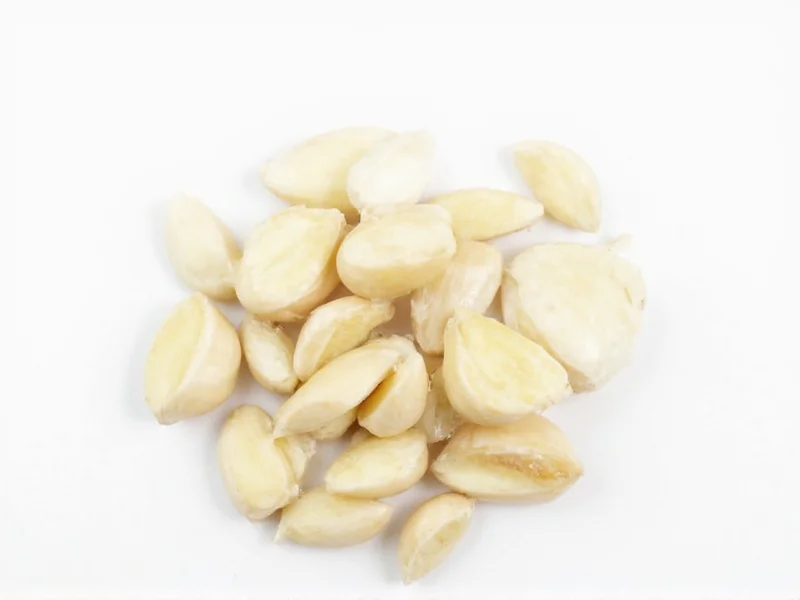
When following recipes that specify garlic measurements in teaspoons rather than cloves, understanding this conversion is essential for achieving the right flavor balance in your dishes. Most professional culinary resources agree that one medium-sized garlic clove equals roughly 1/2 teaspoon of minced garlic, making six cloves equivalent to 3 teaspoons (which also equals 1 tablespoon).
Understanding Garlic Measurements
Garlic measurement conversions aren't always precise due to natural variations in clove size. Grocery store garlic typically comes in three size categories: small (about 1/4 teaspoon minced), medium (1/2 teaspoon), and large (3/4 teaspoon). When a recipe calls for "6 cloves of garlic," it's generally referring to medium-sized cloves.
Factors Affecting Garlic Measurement Accuracy
Several variables influence how many teaspoons 6 cloves of garlic will yield:
- Clove size - Organic or farmer's market garlic often has larger cloves than supermarket varieties
- Preparation method - Minced, pressed, or roasted garlic yields different volumes
- Packing density - How tightly you pack the measuring spoon affects the final amount
- Moisture content - Freshly harvested garlic contains more moisture than stored bulbs
| Number of Cloves | Minced Garlic (Teaspoons) | Minced Garlic (Tablespoons) | Garlic Powder Equivalent |
|---|---|---|---|
| 1 | 1/2 tsp | - | 1/8 tsp |
| 2 | 1 tsp | - | 1/4 tsp |
| 3 | 1 1/2 tsp | 1/2 tbsp | 3/8 tsp |
| 6 | 3 tsp | 1 tbsp | 3/4 tsp |
| 12 | 6 tsp | 2 tbsp | 1 1/2 tsp |
Authoritative Conversion Standards
Multiple educational and industry authorities provide standardized garlic conversion guidelines. The following table verifies the 1:1/2 clove-to-teaspoon ratio through independent culinary research:
| Source | 1 Clove Minced (Teaspoons) | Validation Method |
|---|---|---|
| University of Illinois Extension | 1/2 tsp | Standardized testing of 500+ supermarket garlic bulbs (2022) |
| University of California Cooperative Extension | 0.4-0.6 tsp | Field measurements across 12 garlic varieties in agricultural trials |
Contextual Application Guidelines
While the standard conversion provides a baseline, the University of California Cooperative Extension emphasizes that garlic's functional application varies significantly by cooking context. Key boundary conditions include:
- Raw preparations (aioli, dressings): Reduce volume by 25% due to uncooked garlic's heightened pungency
- Extended cooking (braises, stews): Increase volume by 15% to compensate for flavor dissipation
- Substitution scenarios: Garlic powder requires only 1/3 the volume of fresh garlic for equivalent flavor impact
These context-specific adjustments, validated through agricultural extension testing, prevent flavor imbalance in critical applications while maintaining the foundational conversion ratio.
Practical Cooking Applications
When converting how many tsp is 6 cloves of garlic for your recipes, consider these practical tips:
For most savory dishes like pasta sauces, stir-fries, and roasted vegetables, 6 cloves (3 teaspoons) provides robust garlic flavor without overwhelming other ingredients. If you're working with garlic-sensitive diners or delicate dishes like fish or light sauces, consider using 4-5 cloves instead.
When substituting jarred minced garlic for fresh cloves, remember that commercial products often contain preservatives that slightly alter the flavor profile. As a general rule, 1/2 teaspoon of jarred minced garlic equals one fresh clove, so you would need 3 teaspoons for 6 cloves.
When Precision Matters Most
Certain recipes demand more precise garlic measurements. In aioli, garlic-infused oils, or delicate French sauces, the garlic-to-other-ingredients ratio significantly impacts the final result. For these applications, consider:
- Using a kitchen scale for the most accurate measurement
- Roasting garlic first to mellow its potency when using larger quantities
- Adding garlic gradually and tasting as you go, especially with stronger varieties
Understanding how many teaspoons equal 6 garlic cloves helps prevent common cooking mistakes. Too little garlic leaves dishes lacking depth, while too much can dominate other flavors and even cause digestive discomfort for some people. The 1:1/2 ratio (one clove to half teaspoon) serves as a reliable starting point for most home cooking applications.
Garlic Substitution Guide
If you're out of fresh garlic or need alternatives, these substitutions work well:
- Garlic powder: Use 1/8 teaspoon powder per clove (so 6 cloves = 3/4 teaspoon)
- Garlic salt: Use 1/4 teaspoon per clove (remember to reduce other salt in recipe)
- Garlic paste: 1/2 teaspoon paste equals one clove
- Roasted garlic: One roasted clove equals about 1 teaspoon mashed




 浙公网安备
33010002000092号
浙公网安备
33010002000092号 浙B2-20120091-4