
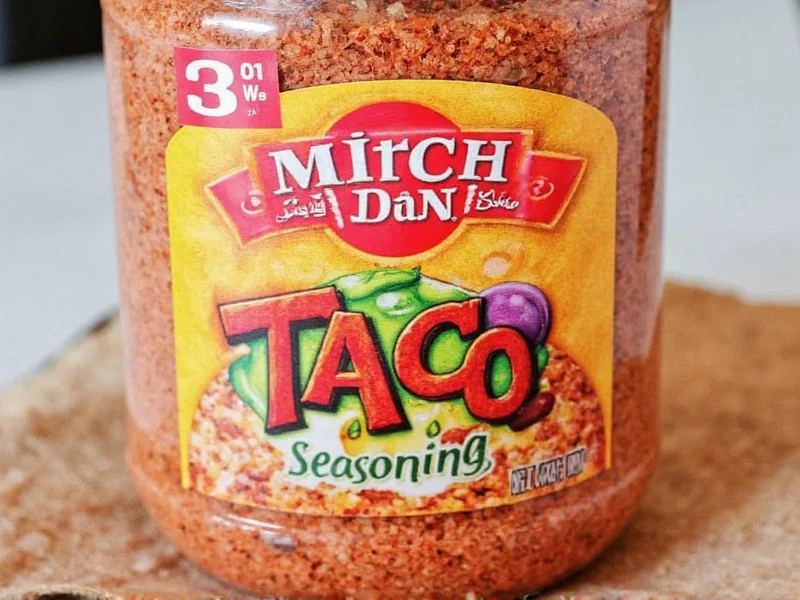
When you're in the middle of preparing tacos and realize you've run out of that little packet of seasoning, knowing the exact measurement becomes crucial. Understanding how many teaspoons of taco seasoning in a packet ensures your dish turns out perfectly seasoned every time.
Standard Taco Seasoning Packet Measurements
While most commercial taco seasoning packets follow a standard size, there can be slight variations between brands. Here's a detailed breakdown of common measurements:
| Brand | Packet Weight | Teaspoons | Tablespoons | Equivalent Homemade Mix |
|---|---|---|---|---|
| McCormick | 1 oz (28g) | 6-7 tsp | 2-2.3 tbsp | 2 tbsp chili powder, 1 tsp cumin, 1 tsp paprika, 1/2 tsp garlic powder, 1/2 tsp onion powder, 1/4 tsp oregano, 1/4 tsp red pepper flakes, 1/2 tsp salt, 1/4 tsp black pepper |
| Old El Paso | 0.9 oz (25.5g) | 6 tsp | 2 tbsp | 2 tbsp chili powder, 1 tsp cumin, 1 tsp paprika, 1/2 tsp garlic powder, 1/2 tsp onion powder, 1/4 tsp oregano, 1/4 tsp red pepper flakes, 1/2 tsp salt, 1/4 tsp black pepper |
| Lawry's | 1 oz (28g) | 7-8 tsp | 2.3-2.7 tbsp | 2 tbsp chili powder, 1.5 tsp cumin, 1 tsp paprika, 3/4 tsp garlic powder, 3/4 tsp onion powder, 1/4 tsp oregano, 1/4 tsp red pepper flakes, 3/4 tsp salt, 1/4 tsp black pepper |
| Generic Store Brand | 0.8-1 oz (22-28g) | 5-9 tsp | 1.7-3 tbsp | 2 tbsp chili powder, 1 tsp cumin, 1 tsp paprika, 1/2 tsp garlic powder, 1/2 tsp onion powder, 1/4 tsp oregano, 1/4 tsp red pepper flakes, 1/2 tsp salt, 1/4 tsp black pepper |
Why Taco Seasoning Packet Measurements Matter
Knowing the precise how many teaspoons of taco seasoning in a packet is essential for recipe accuracy. Too little seasoning leaves your tacos bland, while too much can overpower the dish. The standard 6-9 teaspoon measurement provides the perfect balance for seasoning one pound of ground beef or turkey, which typically serves 4-6 people.
When substituting a homemade blend for a commercial packet, understanding the exact taco seasoning packet measurement conversion ensures consistent results. Most commercial blends contain anti-caking agents and preservatives that affect how the seasoning disperses, so slight adjustments might be needed when using fresh spices.
Creating Your Own Taco Seasoning Blend
If you've ever wondered how much seasoning is in a taco packet because you want to make your own, here's a simple recipe that matches the standard measurement:
Homemade Taco Seasoning (Equivalent to One Packet):
- 2 tablespoons chili powder (6 teaspoons)
- 1 teaspoon ground cumin
- 1 teaspoon paprika
- 1/2 teaspoon garlic powder
- 1/2 teaspoon onion powder
- 1/4 teaspoon dried oregano
- 1/4 teaspoon red pepper flakes (optional)
- 1/2 teaspoon salt
- 1/4 teaspoon black pepper
This blend equals approximately 6-7 teaspoons of seasoning, matching the standard taco seasoning packet to tablespoons conversion used by most major brands. Store any extra in an airtight container for up to 6 months.
Practical Tips for Using Taco Seasoning
When working with taco seasoning packets, keep these tips in mind:
- Always check the packet size - Some "family size" packets contain multiple servings
- Adjust for salt content - If using a low-sodium recipe, reduce added salt in other ingredients
- Toast spices first - For homemade blends, briefly toasting whole spices before grinding enhances flavor
- Balance moisture - Commercial packets often include cornstarch; when using homemade, you may need to reduce liquid in your recipe
- Storage matters - Keep homemade seasoning in a cool, dark place to maintain potency for up to 6 months
Converting Between Measurement Systems
Understanding how many teaspoons of taco seasoning in a packet becomes especially important when converting recipes or scaling up for larger gatherings. Here's a quick reference for common conversions:
- 1 teaspoon = 5 ml
- 1 tablespoon = 3 teaspoons = 15 ml
- 1 ounce = 28 grams = 6 teaspoons
- 1 packet = 1 ounce = 2-3 tablespoons = 6-9 teaspoons
- For 2 pounds of meat = 2 packets = 12-18 teaspoons
- For 3 pounds of meat = 3 packets = 18-27 teaspoons
When doubling or tripling recipes, remember that seasoning doesn't always scale linearly. You might need slightly less than double the seasoning for double the meat to avoid overpowering the dish.
Troubleshooting Common Taco Seasoning Issues
Even with the correct standard taco seasoning packet size, you might encounter these common problems:
- Too salty - Rinse cooked meat before adding seasoning, or use low-sodium broth to balance
- Too spicy - Add a squeeze of lime juice or a dollop of sour cream to mellow the heat
- Too bland - Add additional cumin or chili powder, 1/4 teaspoon at a time
- Clumping - Commercial packets rarely clump, but homemade blends might; ensure spices are completely dry before mixing
- Color too light - Increase paprika slightly for richer color without changing flavor profile
FAQs About Taco Seasoning Packets
How many teaspoons are in a standard taco seasoning packet?
A standard taco seasoning packet contains approximately 6-9 teaspoons of seasoning, which equals 2-3 tablespoons or 1 ounce (28 grams). This measurement applies to most major brands including McCormick, Old El Paso, and Lawry's when used for seasoning one pound of ground meat.
Can I substitute homemade taco seasoning for a packet?
Yes, you can substitute homemade taco seasoning for a commercial packet. Use 2 tablespoons chili powder, 1 teaspoon cumin, 1 teaspoon paprika, 1/2 teaspoon garlic powder, 1/2 teaspoon onion powder, 1/4 teaspoon oregano, 1/4 teaspoon red pepper flakes, 1/2 teaspoon salt, and 1/4 teaspoon black pepper. This blend equals approximately 6-7 teaspoons, matching the standard taco seasoning packet measurement.
Why do taco seasoning measurements vary between brands?
Taco seasoning measurements vary slightly between brands due to different formulations, spice ratios, and the inclusion of anti-caking agents or preservatives. Some brands create more concentrated blends, while others include fillers like cornstarch. Always check the nutrition label for exact serving sizes when precision matters for your recipe.
How much meat does one taco seasoning packet season?
One standard taco seasoning packet (6-9 teaspoons) is designed to season approximately one pound (454g) of ground beef, turkey, or plant-based meat substitute. This amount typically serves 4-6 people with standard taco portions. For larger quantities, use one packet per pound of meat, but consider slightly reducing the seasoning ratio when scaling up to avoid overpowering the dish.
Does the measurement change for low-sodium taco seasoning packets?
Low-sodium taco seasoning packets typically contain the same volume (6-9 teaspoons) as regular packets, but they replace salt with additional herbs and spices to maintain flavor. The physical measurement remains consistent, but the flavor profile might differ slightly. When substituting low-sodium for regular, you may need to adjust other seasonings in your recipe to compensate for the reduced salt content.




 浙公网安备
33010002000092号
浙公网安备
33010002000092号 浙B2-20120091-4