
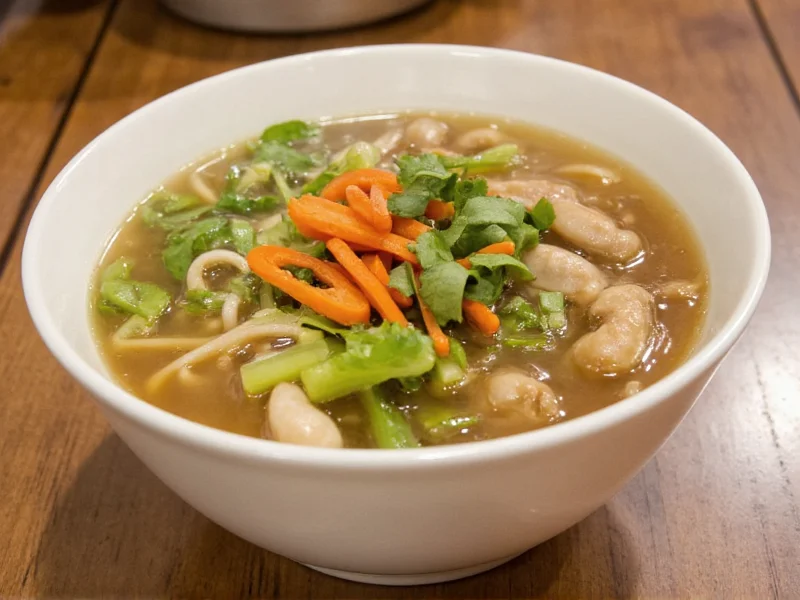
Understanding the calorie content in pho noodle soup is essential for anyone tracking their nutritional intake while enjoying this beloved Vietnamese dish. This comprehensive analysis breaks down the nutritional components to help you make informed dietary choices without sacrificing flavor.
Factors That Determine Pho Calorie Count
Pho's calorie content isn't fixed—it varies significantly based on preparation methods and ingredient choices. The primary variables include:
- Broth type and preparation: Clear broths typically have fewer calories than richer, fattier versions
- Meat selection: Fatty cuts like brisket add more calories than lean options like flank or chicken breast
- Noodle portion size: Rice noodles constitute a substantial portion of the calories
- Garnishes and condiments: Bean sprouts, herbs, and sauces affect the total count
- Restaurant vs. homemade: Commercial preparations often contain more oil and sugar
Detailed Calorie Breakdown by Component
To understand how many calories in pho noodle soup specifically come from each element, consider this typical nutritional distribution:
| Component | Calories (per standard serving) | Percentage of Total Calories |
|---|---|---|
| Rice noodles (6-8 oz) | 200-250 | 50-60% |
| Broth (8-10 oz) | 50-100 | 15-25% |
| Meat (3-4 oz) | 80-120 | 20-30% |
| Garnishes & condiments | 10-30 | 2-7% |
Calorie Comparison: Beef Pho vs Chicken Pho
When analyzing calories in beef pho noodle soup versus chicken versions, notable differences emerge:
| Type | Calories per Bowl | Protein | Carbohydrates | Fat |
|---|---|---|---|---|
| Traditional beef pho | 350-450 | 20-25g | 45-55g | 8-12g |
| Chicken pho | 300-400 | 22-28g | 40-50g | 6-10g |
| Vegetarian pho | 280-380 | 8-12g | 50-60g | 5-8g |
Nutritional Profile Beyond Calories
While counting calories in pho noodle soup matters, understanding the complete nutritional picture provides more value. A standard bowl typically offers:
- Protein: 20-25g from meat and bone broth collagen
- Carbohydrates: 45-55g primarily from rice noodles
- Fat: 8-12g, mostly unsaturated from quality meat cuts
- Sodium: 800-1500mg depending on broth preparation
- Vitamins and minerals: Rich in calcium, magnesium, and phosphorus from bone broth
The nutritional value of pho noodle soup extends beyond basic macronutrients. Properly prepared pho broth contains collagen and gelatin that support joint health and digestion—a benefit often overlooked when simply counting calories in pho.
Strategies for Lower-Calorie Pho
If you're monitoring your intake but craving authentic pho, consider these practical adjustments that address common questions about how to reduce calories in pho noodle soup:
- Request less noodles: Reduce rice noodles to 4-5 ounces (saves 75-100 calories)
- Choose lean proteins: Opt for eye of round or chicken breast instead of fatty cuts
- Skim the broth: Remove visible fat from the surface before eating
- Limit condiments: Skip hoisin sauce which adds 50+ calories per tablespoon
- Double vegetables: Add extra bean sprouts and herbs for volume without calories
These modifications can reduce a standard bowl's calorie count by 25-30% while preserving the authentic pho experience. When ordering low calorie pho noodle soup at restaurants, don't hesitate to specify your preferences—most establishments accommodate such requests.
Homemade Pho: Calorie Control Made Simple
Preparing pho at home gives you complete control over the calories in homemade pho noodle soup. Key strategies include:
- Using a fat separator when making broth
- Measuring noodle portions precisely (4-5 oz per serving)
- Choosing lean meat cuts and trimming visible fat
- Adding extra vegetables like bok choy and mushrooms
- Using natural sweeteners sparingly in the broth
A well-prepared homemade pho bowl can contain as few as 250-300 calories while maintaining rich flavor—significantly less than many restaurant versions. This approach addresses the common concern about how many calories in pho noodle soup restaurant servings typically contain.
Pho in a Balanced Diet
Despite concerns about calorie content, pho can be part of a healthy eating plan when consumed mindfully. The dish offers several advantages:
- Naturally gluten-free (when using pure rice noodles)
- Rich in protein which promotes satiety
- Contains anti-inflammatory spices like ginger and star anise
- Hydrating broth supports digestion and metabolism
- Customizable to fit various dietary needs
Understanding the exact calories in pho noodle soup helps you incorporate this flavorful dish into your meal planning without compromising your nutritional goals. Whether you're enjoying it as a post-workout meal or a comforting dinner, pho's balanced profile makes it a superior choice compared to many other restaurant options.
Frequently Asked Questions
How many calories in a large bowl of pho?
A large bowl of pho (18-20 ounces) typically contains 450-600 calories. The increase comes primarily from additional noodles and broth. Restaurant portions often exceed standard serving sizes, which explains why calories in large pho noodle soup servings can be significantly higher than regular portions.
Is pho high in calories compared to other noodle soups?
Pho generally contains fewer calories than creamy noodle soups like ramen or chow mein. A standard bowl of pho (350-450 calories) has approximately 25% fewer calories than equivalent portions of Japanese ramen (450-600 calories) due to pho's clear broth and lighter preparation. This makes pho a better option when considering calories in noodle soup comparison.
Does the type of meat significantly affect pho's calorie count?
Yes, meat selection dramatically impacts the calories in beef pho noodle soup. Fatty cuts like brisket (200 calories per 3oz) contain nearly double the calories of lean cuts like eye of round (110 calories per 3oz). Choosing lean proteins can reduce the total calorie count by 70-100 calories per serving without sacrificing protein content.
How can I accurately track calories in restaurant pho?
To track calories in pho noodle soup restaurant accurately: request nutritional information if available, ask for less noodles, choose lean meats, skip high-calorie condiments like hoisin sauce, and consider sharing a bowl. Many restaurants now provide estimated calorie counts upon request, especially those catering to health-conscious customers.
Are vegetarian pho options lower in calories?
Vegetarian pho typically contains 280-380 calories per bowl—slightly lower than traditional beef pho but potentially higher than chicken pho. The difference comes from increased vegetable content and sometimes added tofu or mock meats. When evaluating calories in vegetarian pho noodle soup, check if coconut milk or other high-calorie ingredients have been added to the broth.




 浙公网安备
33010002000092号
浙公网安备
33010002000092号 浙B2-20120091-4