
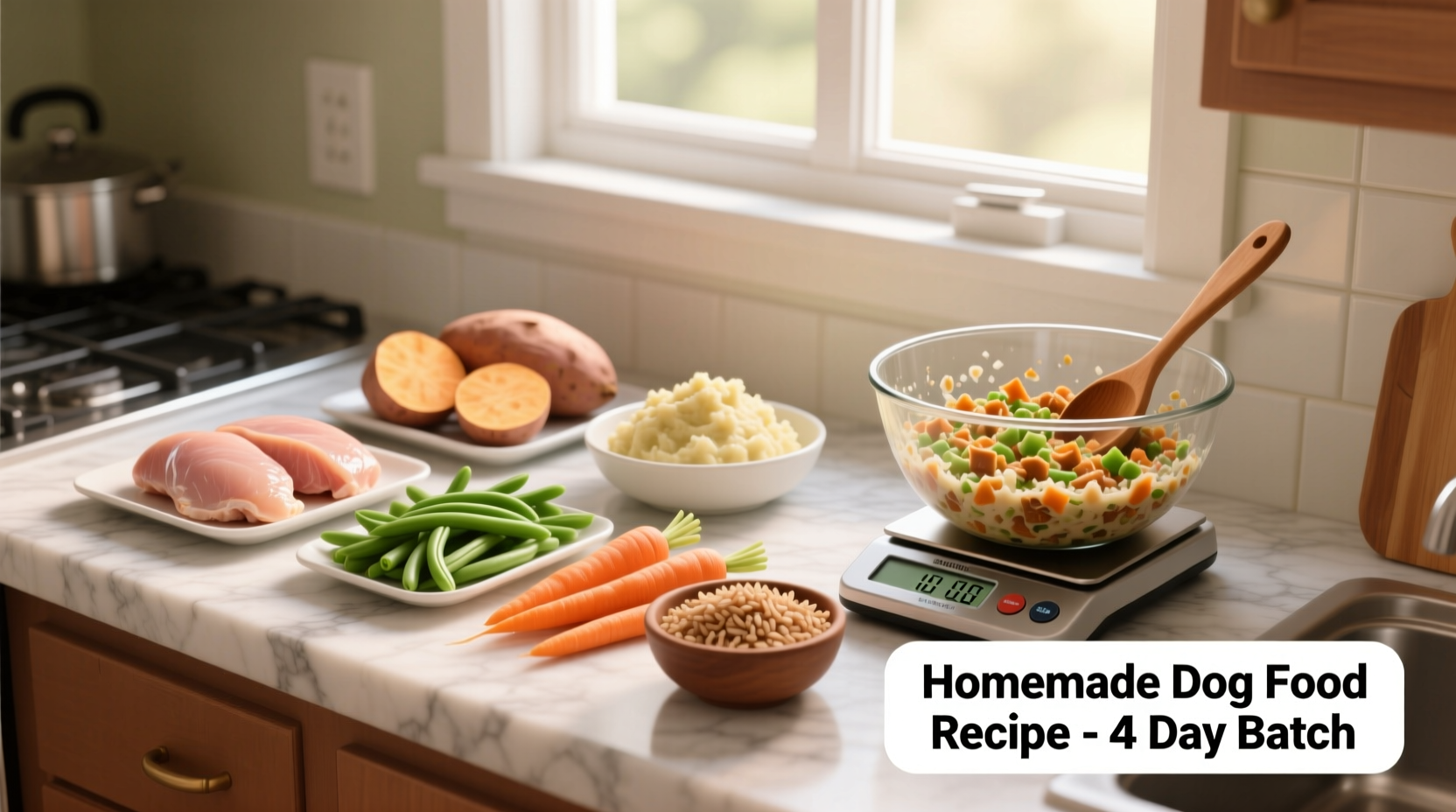
Creating balanced homemade dog food requires 40% protein (lean meats), 30% vegetables, 30% carbohydrates, and essential supplements. Always consult your veterinarian before switching diets, as improper formulations can cause serious health issues. A basic recipe includes 1.5 lbs ground turkey, 1 cup cooked brown rice, 1 cup mixed vegetables, 1 tbsp fish oil, and a canine-specific vitamin-mineral supplement.
Wondering if homemade meals could improve your dog's health, energy, and coat quality? You're not alone. Recent surveys show 27% of dog owners have tried preparing homemade food, seeking alternatives to commercial options. But without proper nutritional balance, these well-intentioned efforts can do more harm than good.
Why Proper Nutrition Matters More Than You Think
Dogs aren't just small humans—their digestive systems and nutritional needs differ significantly. According to the Cornell University College of Veterinary Medicine, improperly balanced homemade diets cause more nutrition-related health problems in dogs than commercial foods. The most common issues? Calcium deficiencies leading to bone disorders and imbalanced omega fatty acids affecting skin health.
| Nutrient | Commercial Food | Homemade (Balanced) | Homemade (Unbalanced) |
|---|---|---|---|
| Calcium:Phosphorus Ratio | 1.2:1 (optimal) | 1.2:1 (with supplements) | 0.6:1 (dangerous) |
| Omega-6:Omega-3 Ratio | 5-10:1 | 5-10:1 | 20:1+ (inflammatory) |
| Vitamin D Levels | Controlled | Controlled | Often deficient |
Your Step-by-Step Preparation Guide
Phase 1: Consultation and Planning (Don't Skip This!)
Before touching any ingredients, schedule a veterinary nutrition consultation. The American College of Veterinary Nutrition reports that 95% of online dog food recipes fail to meet AAFCO (Association of American Feed Control Officials) standards. A board-certified veterinary nutritionist can customize a recipe for your dog's specific breed, age, weight, and health conditions.
Phase 2: Essential Ingredients and Equipment
What you'll need:
- Food scale (volume measurements aren't precise enough)
- Stainless steel cooking pots
- Air-tight storage containers
- Canine-specific vitamin-mineral supplement (never use human supplements)
Core ingredients per 4-cup serving:
- 1.5 lbs lean protein (chicken, turkey, or beef)
- 1 cup complex carbohydrates (brown rice, sweet potato)
- 1 cup mixed vegetables (carrots, green beans, spinach)
- 1 tbsp fish oil (for omega-3s)
- 1 complete supplement packet (specific to your vet's recommendation)
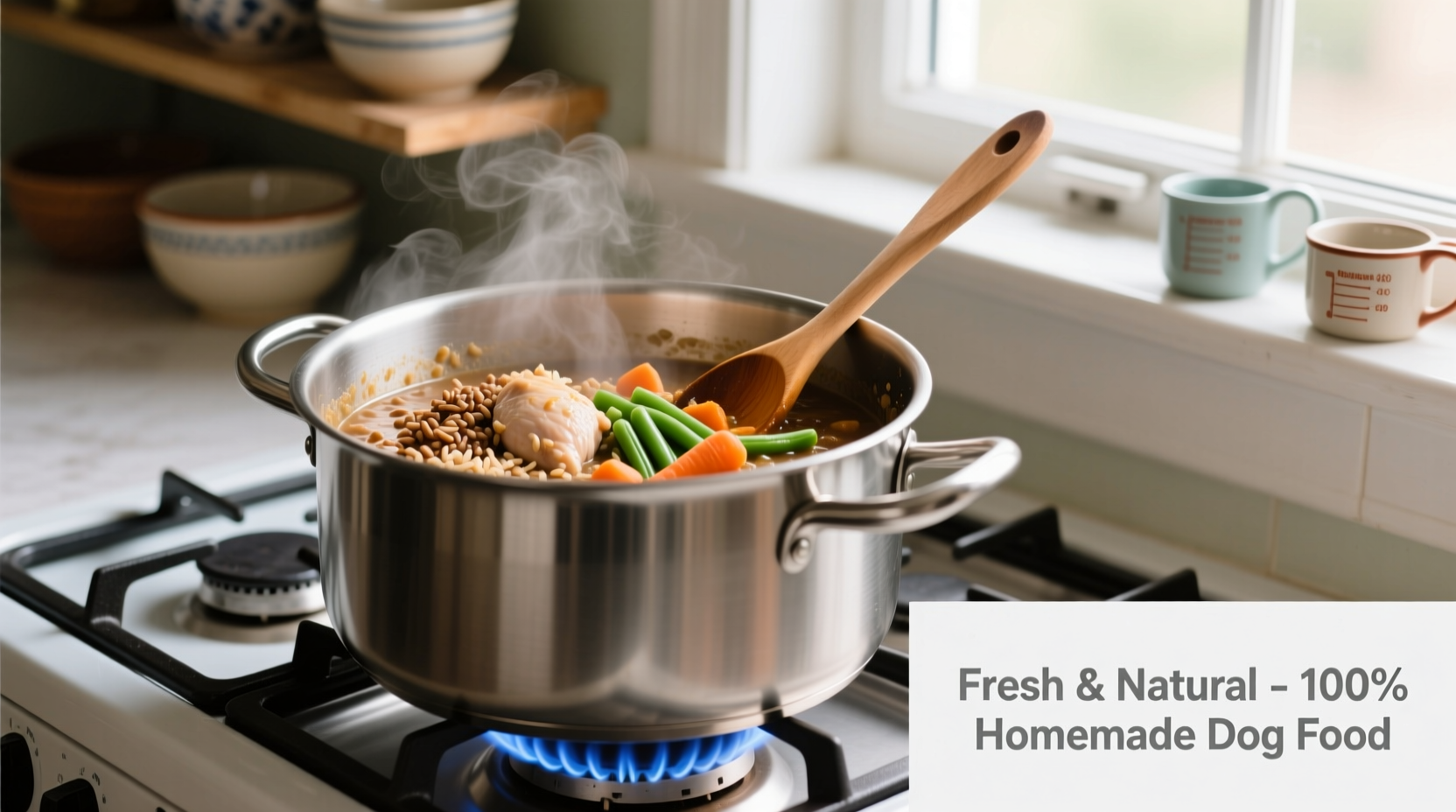
Phase 3: Safe Preparation Process
Step 1: Protein preparation
Cook meats thoroughly to 165°F (74°C) internal temperature. Never feed raw meat without veterinary supervision due to bacterial risks.
Step 2: Vegetable processing
Steam vegetables until soft—raw vegetables are difficult for dogs to digest. Avoid toxic options like onions, garlic, and grapes.
Step 3: Carbohydrate cooking
Prepare grains separately with double the water to ensure complete cooking. Undercooked rice can expand in the stomach.
Step 4: Final assembly
Combine cooled ingredients with supplements and fish oil. Mix thoroughly for even nutrient distribution.
Critical Boundaries: When Homemade Isn't Appropriate
Despite good intentions, homemade diets aren't suitable for all dogs. The American Veterinary Medical Association strongly advises against homemade food in these situations:
- Puppies under 12 months (nutritional requirements are extremely precise)
- Dogs with kidney, liver, or pancreatic conditions
- Pregnant or nursing dogs
- Dogs currently managing health issues with prescription diets
Storage and Serving Guidelines
Homemade dog food lacks preservatives, making proper storage critical:
- Refrigerate for up to 4 days in airtight containers
- Freeze in portion-sized containers for up to 3 months
- Thaw frozen portions in refrigerator overnight—never microwave
- Discard uneaten food after 30 minutes at room temperature
Transition gradually over 7-10 days when switching from commercial food. Start with 25% homemade/75% commercial on day 1, increasing the homemade portion daily. Watch for digestive upset, which occurs in 38% of dogs during improper transitions according to Journal of Animal Science research.
Long-Term Monitoring Requirements
Homemade diets require ongoing veterinary supervision:
- Schedule blood tests every 6 months to check nutrient levels
- Monitor weight weekly—sudden changes indicate imbalance
- Watch for coat changes, which often signal omega deficiencies
- Re-evaluate recipes every 6 months as your dog's needs change
When to Reconsider Homemade Food
Despite your best efforts, certain signs indicate you should return to commercial food:
- Consistent weight loss despite adequate portions
- Dull coat or excessive shedding
- Chronic digestive issues (more than 2 episodes monthly)
- Urinary crystals showing in veterinary tests




 浙公网安备
33010002000092号
浙公网安备
33010002000092号 浙B2-20120091-4