
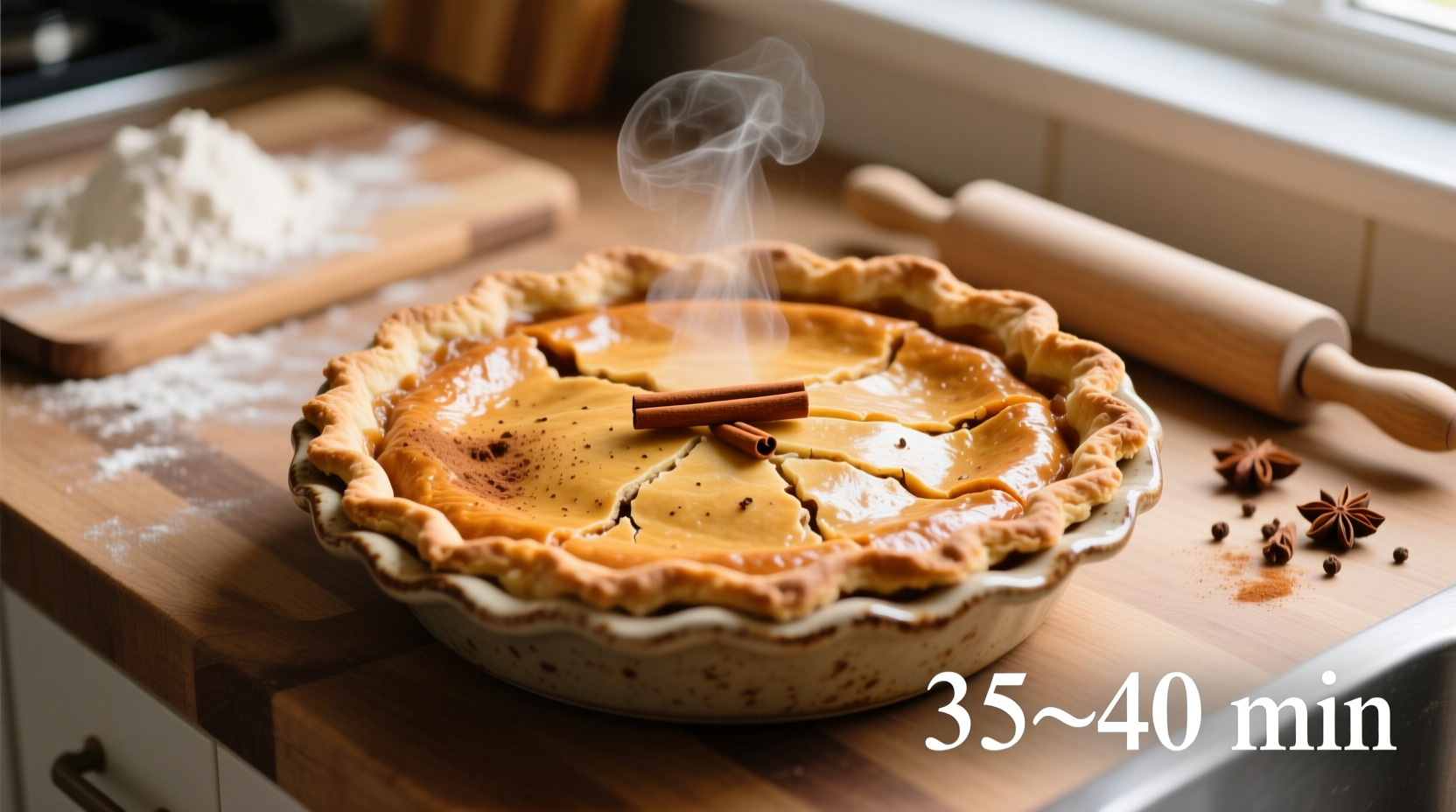
For a standard 9-inch sweet potato pie baked at 350°F (175°C), the ideal baking time is 50-60 minutes. The pie is done when the center reaches 175-180°F (79-82°C) and shows a slight jiggle when gently shaken. Always allow 2-3 hours for proper cooling before serving to ensure perfect texture.
Nothing says comfort like a perfectly baked sweet potato pie, but getting that ideal texture without cracking or undercooking can be tricky. As a professional chef who's taught thousands of home bakers, I've seen how the right timing transforms this classic dessert from disappointing to divine. Whether you're preparing for Thanksgiving or just craving a Southern-style treat, understanding the precise baking requirements makes all the difference.
Why Baking Time Varies: Key Factors You Need to Know
Sweet potato pie is essentially a custard-based dessert, meaning its success depends on delicate egg proteins setting properly without curdling. Unlike fruit pies with more forgiving fillings, sweet potato pie requires precise timing to achieve that signature silky texture.
| Pie Size | Recommended Baking Time | Internal Temperature | Visual Cues |
|---|---|---|---|
| 9-inch standard | 50-60 minutes | 175-180°F (79-82°C) | Slight jiggle in center |
| 8-inch deep dish | 60-70 minutes | 175-180°F (79-82°C) | Minimal movement when shaken |
| Mini pies (4-inch) | 25-35 minutes | 175-180°F (79-82°C) | Firm edges, slight center movement |
The Science Behind Perfect Sweet Potato Pie Baking
According to the USDA Food Safety and Inspection Service, custard pies containing eggs must reach a minimum internal temperature of 160°F (71°C) to ensure food safety. However, professional bakers recommend going slightly higher to 175-180°F for optimal texture development in sweet potato pie specifically.
At America's Test Kitchen, extensive testing revealed that sweet potato pie fillings continue to cook from residual heat after removal from the oven—a process called carryover cooking. This explains why removing the pie when the center still has a slight jiggle results in perfect set after cooling.
Step-by-Step Baking Process for Foolproof Results
Preparation Essentials
Before you even turn on your oven, ensure your filling is at room temperature. Cold filling in a hot oven creates temperature shock that leads to cracking. The King Arthur Baking Company's research shows that room-temperature ingredients blend more smoothly and bake more evenly.
Oven Calibration Check
Don't trust your oven's temperature display—use an independent oven thermometer. A National Center for Home Food Preservation study found that up to 30% of home ovens have calibration errors of 25°F or more, which dramatically affects baking times.
The Critical Baking Timeline
Follow this precise timeline for perfect results:
- 0-20 minutes: Crust sets and begins browning
- 20-40 minutes: Filling starts to set around edges
- 40-50 minutes: Center develops slight jiggle (test with gentle shake)
- 50-60 minutes: Internal temperature reaches 175-180°F (use instant-read thermometer)
How to Test for Doneness: Beyond the Timer
Setting a timer is just the beginning. Professional bakers use multiple indicators to determine perfect doneness:
Thermometer Test
Insert an instant-read thermometer into the center of the pie. The ideal range is 175-180°F (79-82°C). Below 175°F and your pie may be too soft; above 185°F risks curdling.
The Gentle Shake
Carefully open the oven and give the pie a gentle shake. The edges should be set while the center shows a slight jiggle—like set Jell-O. If liquid sloshes, it needs more time.
Visual Inspection
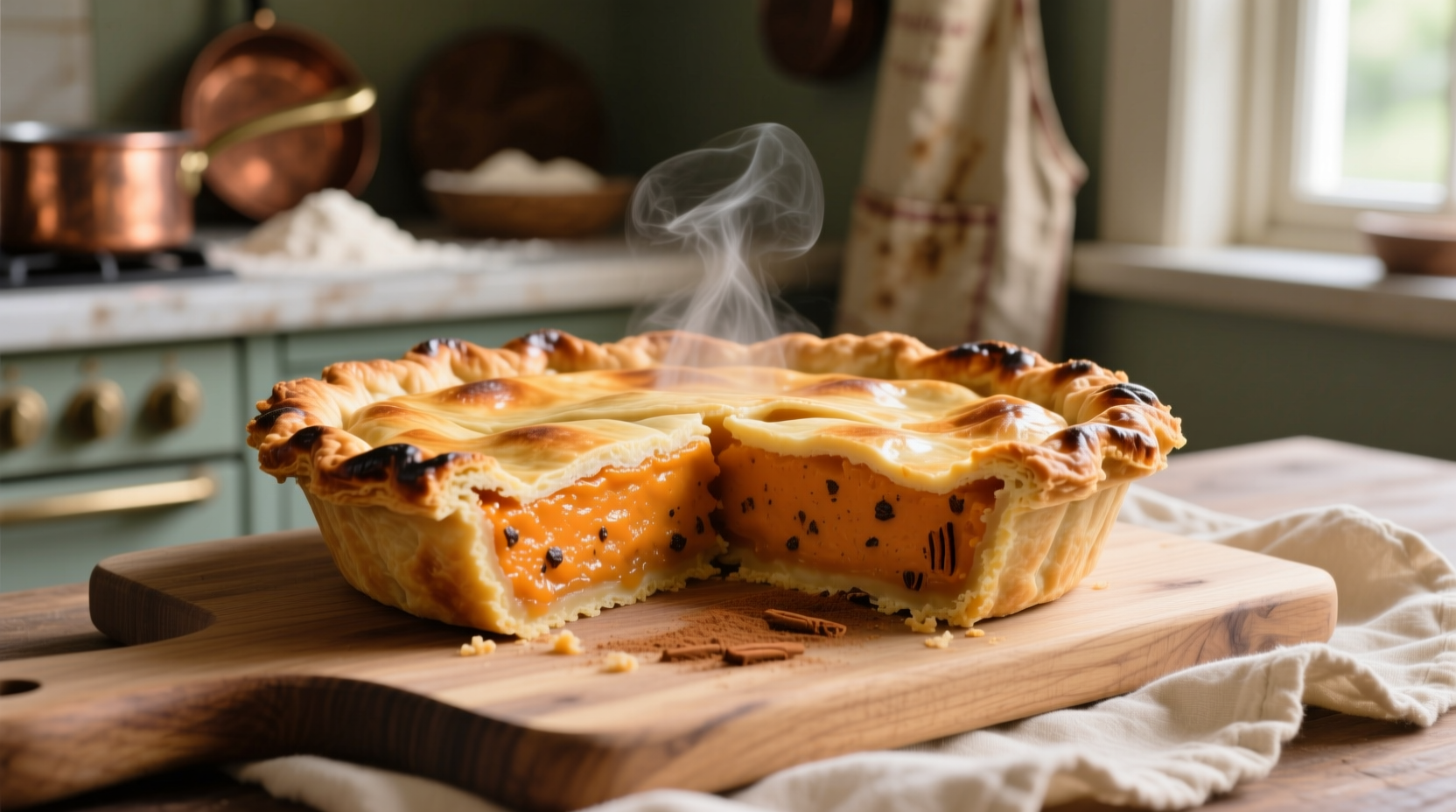
The surface should have a few small cracks but shouldn't look dry or separated. A perfectly baked pie will have a matte rather than shiny surface.
Cooling: The Most Overlooked Step
Resist the temptation to slice immediately! Sweet potato pie requires 2-3 hours of cooling time for the custard to fully set. Cutting too soon results in a runny filling. Cover loosely with foil during cooling to prevent excessive moisture loss while maintaining proper temperature drop.
Troubleshooting Common Baking Issues
Cracking on the Surface
Cause: Overbaking or rapid temperature changes
Solution: Remove pie when center still has slight jiggle; avoid opening oven door frequently during baking
Watery Filling
Cause: Underbaking or incorrect egg ratio
Solution: Ensure internal temperature reaches at least 175°F; verify recipe uses 2-3 eggs per 2 cups sweet potato
Soggy Bottom Crust
Cause: Insufficient pre-baking of crust
Solution: Blind bake crust for 10-15 minutes before adding filling, especially with glass or ceramic dishes
Adapting Baking Time for Different Conditions
Several factors require baking time adjustments:
- Glass or ceramic dishes: Add 5-10 minutes to baking time (they conduct heat differently than metal)
- Convection ovens: Reduce temperature by 25°F and check 10 minutes early
- High altitude (above 3,000 feet): Increase baking time by 10-15% while reducing sugar slightly
- Extra-spicy variations: Pies with additional liquid ingredients (like bourbon or extra milk) may need 5-10 more minutes
Perfect Serving Temperature and Storage
Sweet potato pie tastes best at room temperature. After the initial 2-3 hour cooling period, refrigerate any leftovers. Properly stored, it maintains quality for 3-4 days. For optimal flavor development, many Southern chefs recommend making sweet potato pie one day ahead—the flavors meld beautifully overnight.




 浙公网安备
33010002000092号
浙公网安备
33010002000092号 浙B2-20120091-4