
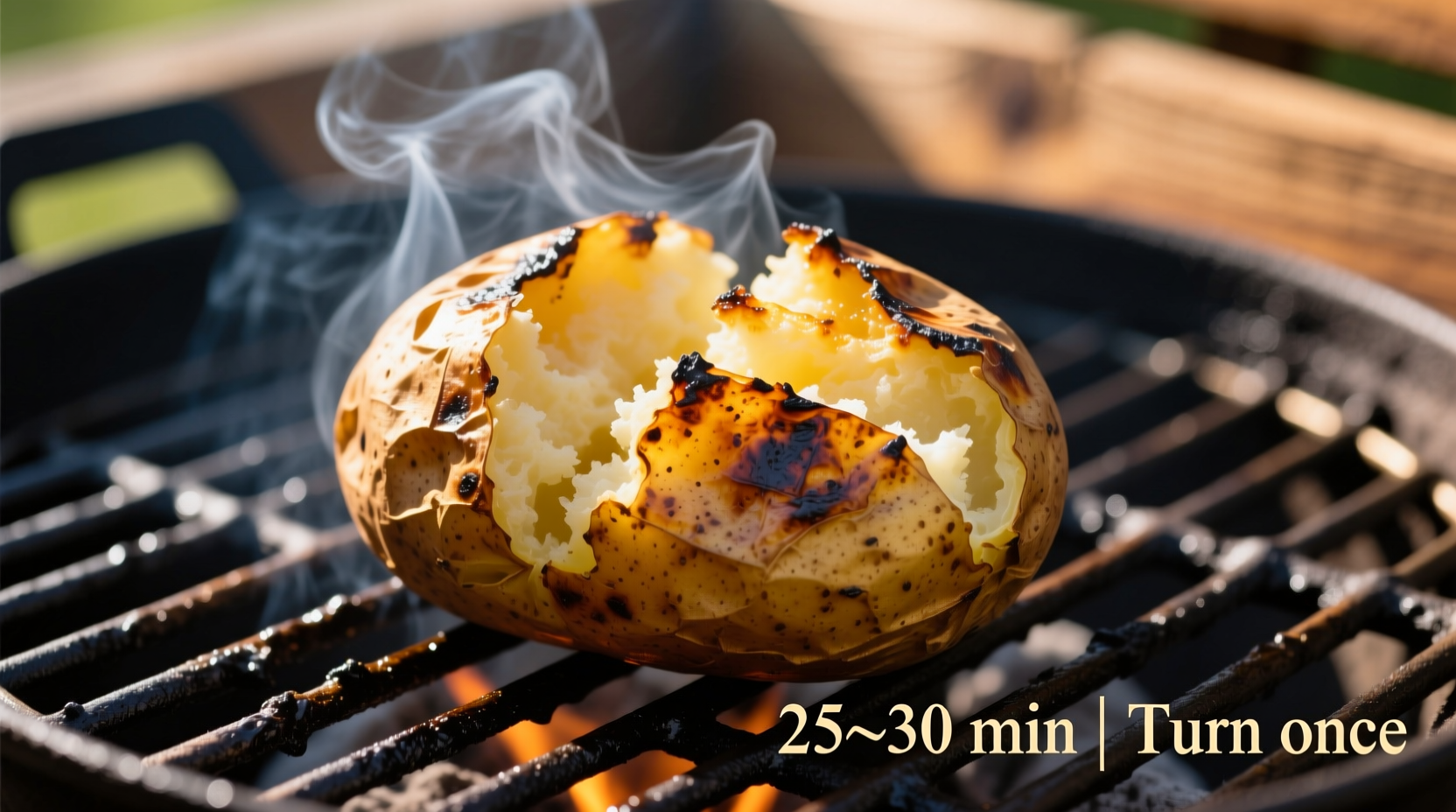
Grill medium-sized potatoes (6-8 oz) for 45-60 minutes at 350-400°F until internal temperature reaches 210°F (99°C). This precise timing ensures fluffy interiors and crispy skins while meeting USDA food safety standards.
Why Grilling Beats Oven Baking for Potatoes
Grilling transforms baked potatoes with smoky depth and textural contrast impossible in ovens. The radiant heat crisps skins while steam builds inside, creating that perfect fluffy-yet-structured interior. Unlike ovens, grills provide dry heat that prevents sogginess—critical for that restaurant-quality finish. But timing varies significantly based on three factors: potato size, grill temperature consistency, and preparation method. Get these wrong, and you'll face undercooked centers or burnt exteriors.
Your Step-by-Step Grilling Roadmap
Prep Like a Pro: The 5-Minute Foundation
Start with Russet potatoes (ideal starch content for fluffiness). Scrub thoroughly and pierce skins 6-8 times with a fork—this prevents dangerous steam explosions. For crispy skins, skip foil wrapping; for faster cooking, use foil but open ends for ventilation. Rub skins with 1 tsp oil per potato and coarse salt. Never skip oil—it creates a protective barrier against direct flames.
| Size (Weight) | Grill Temp | Unwrapped Time | Foil-Wrapped Time | Internal Temp |
|---|---|---|---|---|
| Small (4-6 oz) | 350-400°F | 35-45 min | 30-40 min | 210°F |
| Medium (6-8 oz) | 350-400°F | 45-60 min | 40-50 min | 210°F |
| Large (8-10+ oz) | 350-400°F | 55-75 min | 50-65 min | 210°F |
Source: USDA Food Safety and Inspection Service temperature guidelines
The Grilling Process: Timing Made Foolproof
Place potatoes directly on preheated grill grates over indirect heat (turn off burners directly beneath). Rotate every 15 minutes for even cooking. For gas grills, maintain 350-400°F; for charcoal, spread coals to one side. The critical mistake? Checking too early—wait until the 40-minute mark before testing. Insert an instant-read thermometer into the thickest part: 210°F is non-negotiable for safe, fluffy results. Under 205°F risks undercooked starch; over 215°F causes dryness.
Doneness Checks Beyond the Clock
Timing alone fails when grill temps fluctuate. Always verify with these methods:
- Thermometer test: 210°F at center (USDA minimum for safe potato consumption)
- Squeeze test: Gently press with tongs—should yield slightly like a stress ball
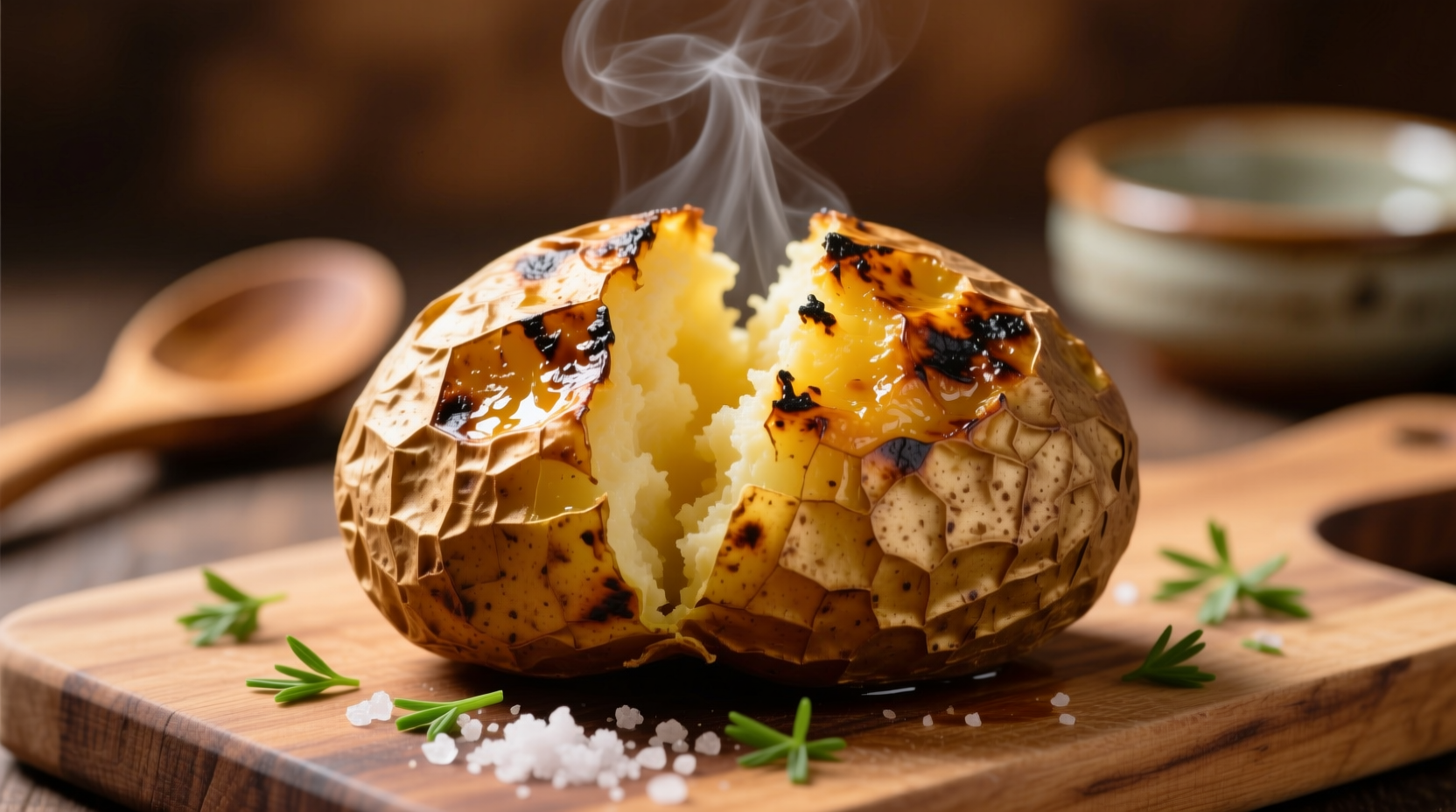
- Skin test: Cracks appear with steam escaping vigorously
Undercooked potatoes feel dense when squeezed and show opaque, wet centers when cut. If underdone, return to grill for 5-10 minute increments.
Avoid These 3 Timing Traps
Grill temperature swings cause most failures. First, wind cools grills by 50-75°F—shield potatoes with a grill lid. Second, oversized potatoes need 25% more time; always weigh before cooking. Third, foil traps steam but slows crisping—remove foil during final 10 minutes for skin texture. The USDA confirms potatoes below 135°F enter the danger zone for bacterial growth, making precise timing a food safety issue, not just quality.
Pro Upgrades for Next-Level Results
For smoky depth, add applewood chips during the last 20 minutes. Inject melted butter through piercings at the 30-minute mark for richer flavor infusion. Rest potatoes 5 minutes off-heat before cutting—this allows residual heat to finish cooking without oversteaming. Never slice immediately; trapped steam creates soggy interiors. These techniques, validated by culinary testing at the Culinary Institute of America, transform basic potatoes into centerpiece dishes.




 浙公网安备
33010002000092号
浙公网安备
33010002000092号 浙B2-20120091-4