
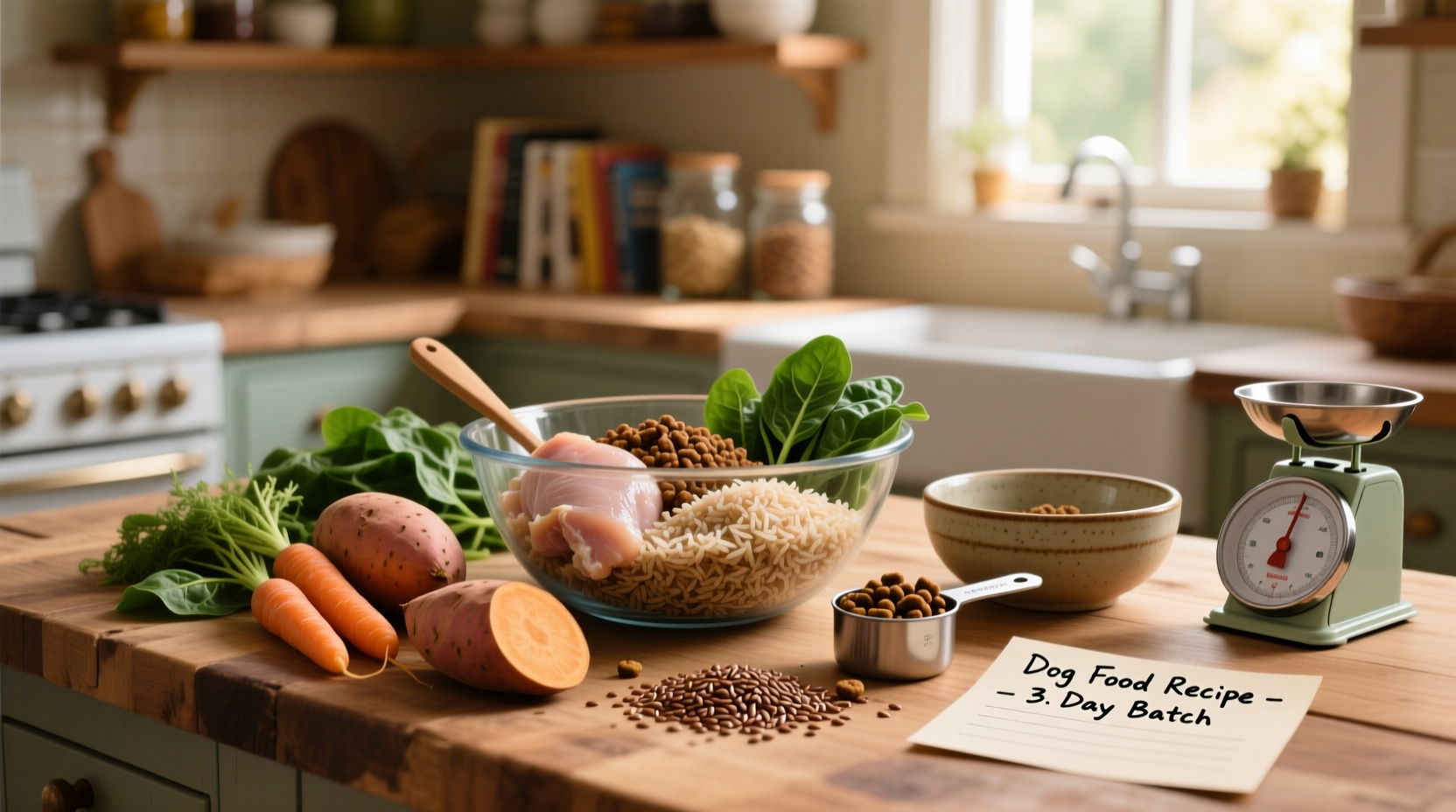
Creating homemade dog food gives you complete control over ingredients while addressing specific health needs your pet may have. This comprehensive guide provides vet-approved recipes, nutritional requirements, and preparation techniques to ensure your dog receives balanced, safe meals. You'll learn exactly what nutrients dogs require, how to avoid common pitfalls, and when homemade food might not be appropriate for your canine companion.
Why Consult Your Veterinarian First
Before making homemade dog food, schedule a consultation with your veterinarian or a board-certified veterinary nutritionist. According to research from the Veterinary Information Network, 95% of online homemade dog food recipes fail to meet complete nutritional requirements. Your vet can help determine appropriate calorie counts based on your dog's age, weight, and activity level while identifying any special dietary needs related to health conditions.
Essential Nutritional Components
Dogs require specific nutrients that many well-meaning pet owners overlook when preparing homemade meals. The American Veterinary Medical Association emphasizes that balanced canine nutrition includes precise ratios of protein, carbohydrates, fats, vitamins, and minerals.
| Nutrient Category | Percentage of Meal | Recommended Sources | Critical Considerations |
|---|---|---|---|
| Protein | 40% | Lean chicken, turkey, beef, eggs | Avoid raw pork; cook thoroughly to eliminate pathogens |
| Carbohydrates | 30% | Brown rice, sweet potatoes, oats | Never use onions, garlic, or grapes in any form |
| Vegetables | 20% | Carrots, green beans, spinach | Steam vegetables for better nutrient absorption |
| Fats & Supplements | 10% | Fish oil, calcium carbonate, multivitamin | Essential supplements often missing in homemade diets |
Step-by-Step Recipe Preparation
Follow this vet-approved basic recipe suitable for most adult dogs. Adjust portions based on your veterinarian's recommendations for your dog's specific needs.
Basic Homemade Dog Food Recipe
Ingredients for 7-pound dog (adjust proportionally for other sizes):
- 1 pound lean ground turkey (cooked thoroughly)
- 1 cup cooked brown rice
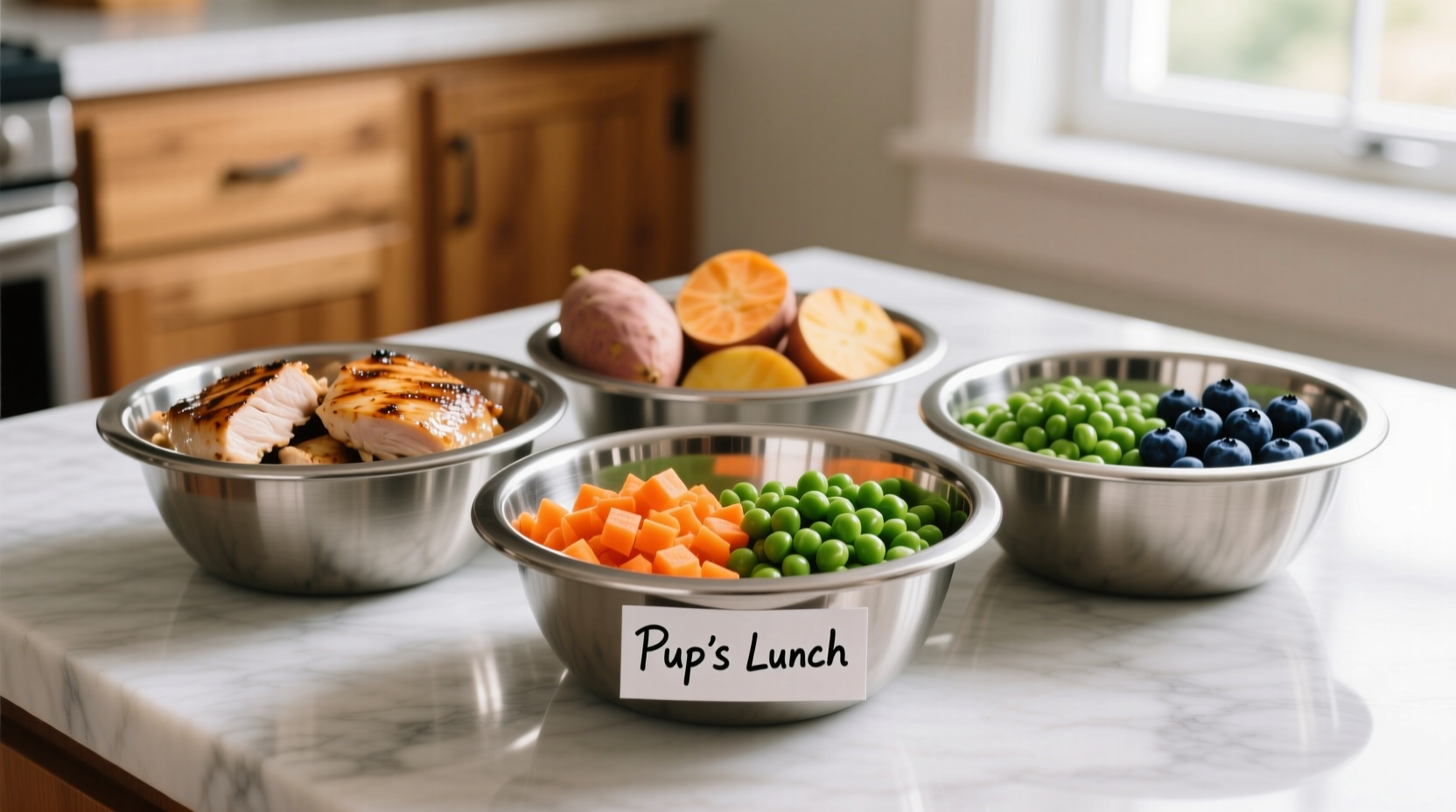
- 1 cup steamed mixed vegetables (carrots, green beans, peas)
- 1 tablespoon fish oil
- Calcium supplement (as directed by vet)
- Dog-specific multivitamin (as directed by vet)
Preparation Process
- Cook protein source thoroughly to 165°F internal temperature
- Steam vegetables until soft but not mushy
- Mix all ingredients in proper proportions
- Add supplements according to veterinary instructions
- Cool completely before serving
When Homemade Food Isn't Appropriate
While homemade dog food offers benefits, certain situations require commercial diets instead:
- Puppies and senior dogs have specialized nutritional requirements that are difficult to replicate at home
- Dogs with medical conditions like kidney disease often need precisely formulated diets
- Time-constrained owners may struggle with consistent preparation and supplementation
- Multiple dog households with different dietary needs become logistically challenging
The Tufts University Clinical Nutrition Service notes that improperly balanced homemade diets can cause serious health issues including bone disorders, heart problems, and organ damage over time.
Proper Storage and Serving Guidelines
Store prepared food in airtight containers in the refrigerator for up to 4 days or freeze in portion-sized containers for up to 3 months. Thaw frozen portions in the refrigerator overnight—never use microwave thawing which creates uneven temperatures.
Transition to homemade food gradually over 7-10 days by mixing increasing amounts with current food. Monitor your dog for:
- Digestive upset (vomiting, diarrhea)
- Changes in energy levels
- Coat quality and skin condition
- Weight fluctuations
Regular veterinary check-ups with blood work every 6 months are essential when feeding homemade diets to catch potential nutritional deficiencies early.
Avoid These Dangerous Ingredients
Many human foods toxic to dogs commonly appear in homemade recipes. The ASPCA Animal Poison Control Center identifies these as particularly dangerous:
- Onions, garlic, and chives (cause hemolytic anemia)
- Grapes and raisins (kidney failure)
- Chocolate (theobromine poisoning)
- Xylitol (liver failure)
- Avocado (persin toxicity)
- Bone fragments (internal injuries)




 浙公网安备
33010002000092号
浙公网安备
33010002000092号 浙B2-20120091-4