
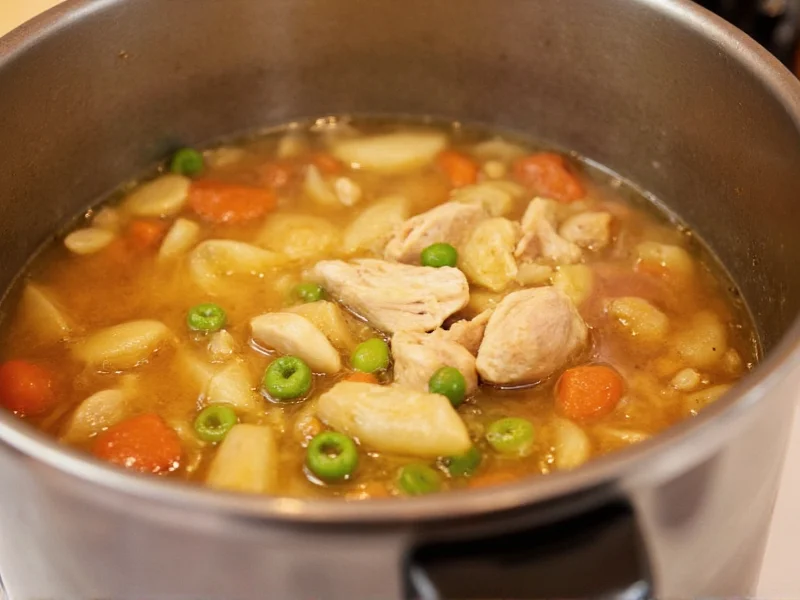
The most effective way to make classic chicken soup involves simmering chicken bones with vegetables, herbs, and seasonings for 2-3 hours to extract maximum flavor and nutrients. Start with a whole chicken or bone-in pieces, add aromatic vegetables like onions, carrots, and celery, include herbs such as thyme and parsley, and season with salt and pepper. Skim impurities during cooking for a clear broth, then remove and shred the chicken before returning it to the pot with additional vegetables if desired.
Making authentic chicken soup from scratch transforms simple ingredients into a comforting, nourishing meal that has sustained generations. This timeless recipe isn't just about sustenance—it's about creating a flavorful foundation that can be customized to your taste while delivering the perfect balance of protein, vegetables, and aromatic herbs. Whether you're cooking for health, comfort, or tradition, understanding the proper technique ensures your homemade chicken soup turns out clear, flavorful, and deeply satisfying every time.
Why This Chicken Soup Method Works
The secret to exceptional chicken soup lies in the slow extraction of collagen and marrow from bones, which creates both rich flavor and that characteristic silky texture. Unlike quick broth mixes or canned alternatives, making chicken soup from scratch allows you to control sodium levels, avoid preservatives, and customize ingredients based on dietary needs. Professional chefs and home cooks alike agree that patience during the simmering process makes the critical difference between ordinary and extraordinary soup.
Essential Ingredients for Perfect Chicken Soup
Quality ingredients form the foundation of great chicken soup. While regional variations exist, these core components create the classic flavor profile that satisfies most palates:
| Ingredient | Quantity | Preparation Notes |
|---|---|---|
| Chicken (bone-in pieces or whole) | 3-4 pounds | Use a mix of thighs, drumsticks, and wings for best flavor |
| Yellow onions | 2 medium | Peel and quarter, leave skin on for golden color |
| Carrots | 3 medium | Peel and cut into 1-inch pieces |
| Celery stalks | 3 stalks | Cut into 1-inch pieces including leaves |
| Fresh parsley | 1/4 cup chopped | Reserve some for garnish |
| Fresh thyme | 4-5 sprigs | Or 1/2 teaspoon dried thyme |
| Bay leaves | 2 | Remove before serving |
| Garlic cloves | 3 | Smashed but left whole |
| Sea salt | To taste | Add gradually during cooking |
| Black peppercorns | 10-12 | Whole, not ground |
| Water or additional broth | 8-10 cups | Cold, enough to cover ingredients |
Step-by-Step Chicken Soup Preparation
1. Initial Simmer and Skimming
Place chicken pieces in a large stockpot and cover with cold water (about 8-10 cups). Bring to a gentle simmer over medium heat—do not boil vigorously. As the water heats, impurities will rise to the surface. Carefully skim off this foam with a spoon during the first 15-20 minutes. This crucial step ensures a clear, clean-tasting broth rather than a cloudy one.
2. Adding Aromatics and Herbs
After skimming, add onions, carrots, celery, garlic, parsley, thyme, bay leaves, and peppercorns. Reduce heat to maintain a very gentle simmer—bubbles should barely break the surface. A rolling boil will make your broth cloudy and can overcook delicate vegetables later. Partially cover the pot, leaving a small gap for steam to escape.
3. Long, Slow Simmering Process
Maintain this gentle simmer for 2-3 hours. The extended cooking time allows collagen from the bones to break down into gelatin, creating that signature rich mouthfeel. Check occasionally to ensure the liquid level remains adequate—add more hot water if needed, but avoid diluting the flavor. The soup is ready when the chicken easily pulls away from the bone and the broth has developed a golden color.
4. Straining and Refining the Broth
Carefully remove the chicken pieces and set aside to cool. Strain the broth through a fine-mesh sieve into another container, pressing gently on the vegetables to extract all liquid without forcing pulp through. For an exceptionally clear broth, line the sieve with cheesecloth. Discard the solids—these have given their all to flavor the broth.
5. Preparing the Final Soup
While the broth settles, remove skin and bones from the cooled chicken and shred the meat into bite-sized pieces. Return the strained broth to a clean pot, bring to a simmer, and add the shredded chicken. For a complete soup, add additional diced vegetables like carrots, celery, and perhaps some egg noodles or rice during the last 15-20 minutes of cooking. Season with salt to taste—remember, it's easier to add salt than remove it.
Common Mistakes to Avoid When Making Chicken Soup
Even experienced cooks can make errors that compromise their chicken soup. Understanding these pitfalls helps ensure perfect results:
- Rushing the simmering process - Shortening the cooking time prevents full flavor extraction from bones and results in a weak broth
- Boiling instead of simmering - Vigorous boiling makes broth cloudy and can create off-flavors
- Adding salt too early - Salt concentrates as liquid evaporates, potentially making soup too salty
- Overcooking vegetables - Adding delicate vegetables too early turns them to mush; add them in stages based on cooking time
- Skipping the skimming step - Neglecting to remove initial foam creates a cloudy, less refined broth
Variations for Different Dietary Needs
Traditional chicken soup can be adapted to accommodate various dietary preferences and restrictions while maintaining its comforting essence:
- Gluten-free chicken soup - Simply omit noodles or use gluten-free alternatives like rice noodles or quinoa
- Keto-friendly version - Increase healthy fats with added avocado or olive oil, focus on low-carb vegetables like zucchini and spinach
- Vegetarian adaptation - Use mushroom broth base with extra vegetables and perhaps tofu for protein
- Low-sodium option - Reduce salt significantly and boost flavor with extra herbs, lemon juice, and garlic
- Extra protein boost - Add white beans or chickpeas during the final simmering stage
Proper Storage and Reheating Techniques
Chicken soup actually improves in flavor after resting, making it ideal for meal prep. For best results:
- Cool soup quickly by placing the pot in an ice bath before refrigerating
- Store in airtight containers for up to 4 days in the refrigerator
- Freeze in portion-sized containers for up to 6 months
- When reheating, do so gently over medium-low heat to preserve texture
- Skim any solidified fat from the surface after refrigeration before reheating
- Add fresh herbs just before serving for maximum flavor impact
Frequently Asked Questions
How long should chicken soup simmer for optimal flavor?
For the best flavor extraction, chicken soup should simmer gently for 2-3 hours. This extended cooking time allows collagen from the bones to break down into gelatin, creating that characteristic rich mouthfeel and deep flavor. Shorter cooking times (under 90 minutes) won't extract the full flavor potential from the bones, while excessively long cooking (beyond 4 hours) can sometimes create off-flavors.
Can I use a rotisserie chicken to make soup faster?
Yes, you can use a rotisserie chicken to make soup more quickly, but the results will differ from traditional soup made with raw bones. While convenient, rotisserie chicken produces a less rich broth because the bones have already released much of their collagen during the initial cooking. For better results, supplement with additional chicken bones or wings, and consider simmering the bones for at least 1-2 hours to extract remaining flavor.
Why does my chicken soup turn out cloudy?
Cloudy chicken soup typically results from boiling too vigorously or not skimming the initial foam. When soup boils rapidly, it emulsifies fat and proteins into the broth rather than allowing them to rise to the surface where they can be skimmed off. To prevent cloudiness, maintain a gentle simmer (small bubbles barely breaking the surface) and carefully skim the foam during the first 15-20 minutes of cooking. Straining through cheesecloth can also clarify an already cloudy broth.
What vegetables work best in traditional chicken soup?
The classic mirepoix of onions, carrots, and celery forms the flavor foundation of traditional chicken soup. Additional vegetables that work well include parsnips, leeks, turnips, and garlic for the initial simmer. For the final soup, add quick-cooking vegetables like peas, green beans, or spinach during the last 10-15 minutes. Avoid watery vegetables like tomatoes in traditional versions, though they work well in regional variations like avgolemono.
How can I make my chicken soup more flavorful?
To enhance chicken soup flavor, try these professional techniques: roast the chicken bones first for deeper flavor, add a parmesan rind during simmering, include a small amount of tomato paste for complexity, use fresh herbs rather than dried when possible, and finish with a splash of acid like lemon juice or apple cider vinegar. Proper seasoning is crucial—add salt gradually and taste frequently, as the broth concentrates during cooking.




 浙公网安备
33010002000092号
浙公网安备
33010002000092号 浙B2-20120091-4