
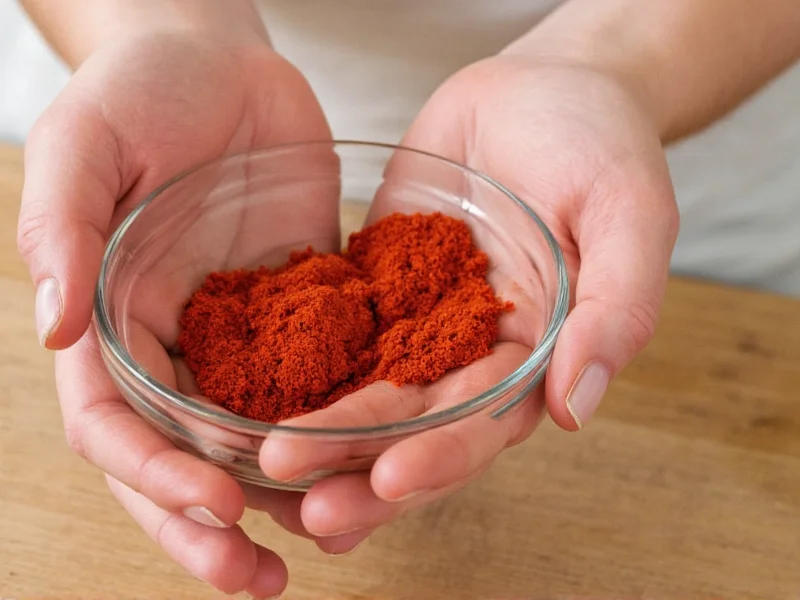
Many home gardeners and cooking enthusiasts wonder how do you make cayenne pepper when they have an abundance of fresh peppers. Despite the phrasing of the question, cayenne pepper isn't "made" like a recipe but rather processed from the actual cayenne chili plant. Understanding this distinction is crucial for anyone looking to create their own spice from garden-fresh produce.
What Exactly Is Cayenne Pepper?
Cayenne pepper refers to both the long, slender chili pepper (typically 2-5 inches long) and the ground spice made from these dried peppers. True cayenne peppers belong to the Capsicum annuum species and turn from green to vibrant red when fully mature. The confusion around how to make cayenne pepper often stems from not realizing that commercial cayenne powder comes directly from processing these specific peppers, not by mixing other ingredients.
Historical Evolution of Cayenne Processing
The transformation of cayenne peppers into powder has undergone significant methodological shifts since pre-Columbian times. Indigenous Mesoamerican cultures originally dried peppers using open-air sun-drying techniques strung on threads, a method still documented in traditional practices today. According to agricultural historians at the USDA National Plant Germplasm System, the 16th-century introduction of European drying racks improved consistency, while 20th-century innovations like mechanical dehydrators reduced processing time from weeks to hours. Modern commercial production now employs precision moisture sensors and cryogenic grinding to maintain capsaicin integrity—evolutionary steps reflecting both technological advancement and food safety understanding.
Materials Needed for Processing Cayenne Peppers
Before beginning the process of making cayenne pepper powder from fresh peppers, gather these essential items:
| Equipment | Purpose | Alternative Options |
|---|---|---|
| Fully ripe cayenne peppers | Main ingredient (must be completely red) | Other hot chili varieties (will yield different flavor) |
| Sharp knife or scissors | Preparation of peppers | N/A |
| Dehydrator or oven | Drying process | Sun drying (less reliable) |
| High-speed blender or spice grinder | Grinding dried peppers | Mortar and pestle (more labor-intensive) |
| Airtight glass containers | Storage of finished product | Food-grade plastic containers |
Step-by-Step Process for Making Authentic Cayenne Pepper
1. Harvesting at the Right Time
The first critical step in how to process cayenne peppers after harvest is timing. Pick peppers when they've fully ripened to a bright red color, typically 70-80 days after planting. Green cayenne peppers lack the full flavor development and heat profile of mature ones. Gently cut peppers from the plant using scissors to avoid damaging the plant.
2. Preparation for Drying
Clean the peppers thoroughly under cool running water and pat dry with clean towels. For optimal results when drying cayenne peppers for long term storage, leave stems intact but remove any damaged or spoiled peppers. Some processors prefer to slice peppers lengthwise to speed drying, while others keep them whole for more intense flavor.
3. Drying Methods Compared
Proper drying is the most crucial phase in how to dry cayenne peppers at home. Three effective methods exist:
- Dehydrator method (recommended): Set to 135°F (57°C) for 12-24 hours until peppers snap when bent
- Oven method: Use lowest setting (150-170°F/65-77°C) with door slightly ajar for 6-12 hours
- Air drying: String peppers on twine in a warm, dry, well-ventilated area for 2-3 weeks
For evidence-based method selection, consider these critical factors verified by the National Center for Home Food Preservation:
| Drying Method | Moisture Threshold | Microbial Risk | Optimal Use Case | Limitation |
|---|---|---|---|---|
| Dehydrator | 8-10% moisture | Low (controlled environment) | Consistent batches, humid climates | Requires equipment investment |
| Oven | 10-15% moisture | Moderate (heat fluctuations) | Small batches, immediate processing | Energy-inefficient for large quantities |
| Sun Drying | 15-20% moisture | High (exposure variables) | Dry climates, traditional preservation | Unreliable for food safety per FDA guidelines |
Note: Peppers must reach ≤10% moisture content to prevent mold growth during storage, as verified by USDA moisture testing protocols. Commercial facilities use halogen moisture analyzers, while home processors should verify brittleness through the "snap test".
4. Grinding Into Powder
Once completely dry, the process of grinding dried cayenne peppers into powder requires caution. In a well-ventilated area or outdoors:
- Remove stems from dried peppers
- Break peppers into smaller pieces
- Grind in small batches using a dedicated spice grinder
- Sift through a fine mesh strainer to remove large pieces
- Regrind any remaining coarse pieces
For a smoother powder, some processors add a teaspoon of rice grains to absorb moisture during grinding. Never use the same grinder for spices and coffee, as flavors will transfer.
Homemade vs. Commercial: Contextual Limitations
Understanding when homemade cayenne is appropriate requires awareness of critical constraints. The FDA's Dry It Safe guidelines explicitly state that home-dried products cannot achieve the ≤8% moisture levels of commercial facilities, creating higher spoilage risks in humid environments. Homemade cayenne lacks standardized Scoville measurements—your batch may range from 25,000 to 60,000 SHU depending on growing conditions, making it unsuitable for commercial sauce production requiring precise heat consistency. However, for personal culinary use where flavor complexity is prioritized over uniformity, and when processed following verified moisture thresholds, homemade versions offer superior freshness without anti-caking additives.
Safety Considerations When Handling Hot Peppers
Working with cayenne peppers requires proper precautions. The capsaicin that gives cayenne its heat can cause severe skin and eye irritation. Always:
- Wear disposable gloves during processing
- Avoid touching your face, especially eyes
- Work in a well-ventilated area (consider a mask when grinding)
- Wash hands thoroughly with soap after handling, even with gloves
- Keep pets away from processing areas
If you experience skin irritation, apply milk or yogurt to the affected area—capsaicin is fat-soluble and these dairy products can help neutralize the burn.
Proper Storage for Maximum Shelf Life
To maintain the quality of your homemade cayenne pepper recipe product:
- Store in airtight glass containers away from light
- Keep in a cool, dark cupboard (not near the stove)
- Include a silica gel packet to absorb moisture
- Label with processing date
Properly stored homemade cayenne pepper retains optimal flavor and heat for 1-2 years. Commercial products often contain anti-caking agents, but pure homemade versions may clump slightly over time—simply stir before use.
Variations and Creative Uses
While traditional cayenne pepper is simply ground dried peppers, some enthusiasts create variations:
- Cayenne pepper flakes: Coarsely grind or break dried peppers by hand
- Infused cayenne oil: Steep dried peppers in olive oil for 2-4 weeks
- Cayenne vinegar: Add dried peppers to white vinegar for pickling
- Spice blends: Mix with paprika, garlic powder, or other spices
Homemade cayenne typically has more vibrant flavor than store-bought versions, as commercial products often blend multiple chili varieties. For the purest cayenne experience, use only cayenne peppers without mixing other types.
Troubleshooting Common Issues
When learning how do you make cayenne pepper at home, these problems may arise:
- Mold during drying: Indicates insufficient air circulation or high humidity—restart with fresh peppers
- Dull flavor: Peppers weren't fully ripe or were exposed to light during storage
- Clumping: Residual moisture—return to dehydrator for additional drying time
- Reduced heat: Overexposure to heat during drying—use lower temperatures next time




 浙公网安备
33010002000092号
浙公网安备
33010002000092号 浙B2-20120091-4