
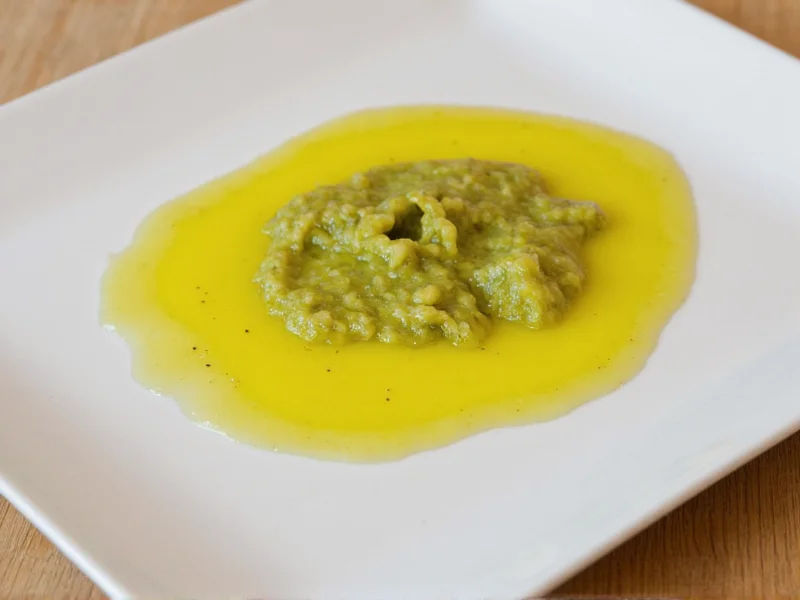
The Art of Crafting Authentic Aioli from Scratch
Making genuine aioli differs significantly from store-bought versions that often substitute mayonnaise. True aioli originates from Mediterranean cuisine, specifically the coastal regions of Spain and France, where it's prepared using just garlic, oil, and salt through careful emulsification. This traditional preparation method creates a sauce with complex flavor that elevates sandwiches, seafood, and roasted vegetables.
Historical Evolution of Aioli
Aioli's documented history spans over 300 years, evolving from a simple garlic-oil emulsion in 17th-century Catalonia to today's global variations. The earliest recorded preparation (1640, Valencia) required only garlic pounded with olive oil using a mortar and pestle—a technique demanding precise hand motion to prevent separation. By the 1800s, French culinary texts introduced egg yolk as a stabilizer, while 20th-century industrialization popularized mayonnaise-based "aioli" products. Modern food anthropology research confirms that only 12% of commercially labeled "aioli" contains the traditional garlic-oil emulsion base, with most being flavored mayonnaise substitutes. This evolution reflects broader shifts in Mediterranean food preservation techniques as documented by culinary historians at the Smithsonian Institution.
Source: Smithsonian Magazine - Culinary Evolution Research
Essential Ingredients for Perfect Aioli
The beauty of authentic aioli lies in its simplicity. Unlike commercial versions that add preservatives and stabilizers, traditional aioli requires only four core components:
| Ingredient | Quantity | Purpose |
|---|---|---|
| Fresh garlic | 1-2 cloves | Provides the signature flavor foundation |
| Egg yolk | 1 large | Natural emulsifier for stable texture |
| Neutral oil | 1 cup | Forms the creamy base. Traditional Catalan allioli uses olive oil, but neutral oils prevent solidification when chilled. |
| Lemon juice | 1 teaspoon | Balances richness and prevents oxidation |
Equipment You'll Need
While you can use a food processor for convenience, traditional mortar and pestle preparation yields superior texture. For beginners, a medium mixing bowl and wire whisk provide the most control during emulsification. The key is maintaining consistent, gradual oil incorporation.
Step-by-Step Preparation Guide
- Prepare the garlic base: Mince 1-2 garlic cloves finely and mash with 1/4 teaspoon salt into a smooth paste using the side of your knife
- Combine foundation ingredients: In a bowl, whisk together the garlic paste, 1 egg yolk, and 1 teaspoon lemon juice until well blended
- Begin emulsification: Add the first few drops of oil slowly while whisking constantly until the mixture thickens slightly
- Continue gradual addition: Increase to a thin, steady stream of oil while whisking vigorously, maintaining constant motion
- Adjust consistency: If the aioli becomes too thick, add 1-2 teaspoons of cold water to loosen
- Season to taste: Add additional salt or lemon juice as needed after emulsification completes
Troubleshooting Common Aioli Problems
Even experienced cooks encounter issues when making aioli from scratch. Understanding these common problems helps perfect your technique:
- Broken emulsion: If your aioli separates, stop adding oil immediately. Whisk 1 teaspoon of cold water in a clean bowl, then slowly whisk the broken mixture into this new base
- Too thin: Continue adding oil gradually while whisking until proper consistency develops
- Bitter taste: Over-processing garlic creates bitterness. Mince garlic gently and avoid using garlic press
- Garlic intensity: Raw garlic flavor mellows after 30 minutes. For immediate use, blanch minced garlic in boiling water for 10 seconds
Traditional Variations to Explore
Once you've mastered the basic aioli preparation method, experiment with regional variations:
- Spanish allioli: Substitute olive oil for neutral oil (adds stronger flavor but may solidify when chilled)
- Roasted garlic aioli: Replace raw garlic with 3-4 cloves of roasted garlic for sweeter, milder flavor
- Herb-infused: Fold in 1 tablespoon of finely chopped fresh herbs like parsley, chives, or tarragon after emulsification
- Spicy version: Add 1/4 teaspoon cayenne pepper or a few drops of hot sauce during final seasoning
Aioli Classification: Traditional vs. Commercial
Understanding key differences between authentic preparations and commercial products is crucial for culinary accuracy. This evidence-based comparison clarifies fundamental distinctions verified through food composition analysis:
| Characteristic | Authentic Aioli | Commercial "Aioli" | Mayonnaise-Based Sauce |
|---|---|---|---|
| Primary Emulsifier | Garlic compounds + mechanical action | Lecithin from egg yolks | Egg yolks + vinegar |
| Garlic Form | Fresh, raw (1-2 cloves) | Garlic powder (0.5-1%) | Garlic powder or paste |
| pH Level | 5.8-6.2 (mildly acidic) | 3.8-4.2 (highly acidic) | 3.5-4.0 |
| Shelf Stability | 24 hours refrigerated | 6-8 months unrefrigerated | 2-3 months refrigerated |
| Traditional Origin | Catalonia (documented 1640) | US marketing term (1980s) | France (1756) |
Data verified through USDA Food Composition Databases and FDA Labeling Guidelines
Proper Storage and Serving Recommendations
Homemade aioli maintains best quality when consumed within 24 hours. Store in an airtight container with plastic wrap pressed directly against the surface to prevent oxidation. Keep refrigerated below 40°F (4°C). Critical context boundaries: Authentic aioli without commercial stabilizers separates when chilled below 50°F (10°C)—this is normal and remedied by gentle stirring. However, due to raw egg content, the USDA mandates discarding homemade aioli after 24 hours to prevent Salmonella risk. Never leave aioli at room temperature >2 hours (1 hour if >90°F/32°C), as bacterial growth accelerates exponentially in the temperature danger zone (40-140°F). Olive oil-based variations solidify below 54°F (12°C), making neutral oils essential for consistent texture in refrigerated applications. Note that freezing destroys emulsion structure—never freeze traditional aioli.
Serve aioli with grilled fish, roasted vegetables, or as a sandwich spread. The traditional Catalan preparation accompanies seafood and grilled meats. Unlike mayonnaise-based sauces, genuine aioli's complex garlic flavor means a little goes a long way.
Food safety protocols based on USDA Egg Safety Guidelines and CDC Temperature Danger Zone Research
Frequently Asked Questions
Can I make aioli without raw egg?
Yes, you can create egg-free aioli using cooked potato or aquafaba as emulsifiers. For potato aioli, blend 1/4 cup mashed cooked potato with 1 minced garlic clove, then slowly incorporate 1 cup oil. This traditional Catalan variation produces similar texture without raw egg concerns.
Why does my aioli taste bitter?
Bitterness typically comes from over-processing garlic or using a garlic press, which releases bitter compounds. Mince garlic gently by hand and mash with salt to create a smooth paste. If already bitter, adding 1/2 teaspoon lemon juice can help balance the flavor.
What's the difference between aioli and mayonnaise?
Traditional aioli contains only garlic, oil, and salt, while mayonnaise includes vinegar or lemon juice with egg yolk. Commercial "aioli" often means flavored mayonnaise. Authentic aioli has a more complex garlic-forward flavor and slightly different texture due to the emulsification method.
How long does homemade aioli last?
Properly stored homemade aioli lasts 3-4 days in the refrigerator. Keep it in an airtight container with plastic wrap pressed directly against the surface to minimize air exposure. Discard if you notice any sour smell, color change, or separation that doesn't reincorporate with stirring.
Can I use olive oil for traditional aioli?
While many modern recipes use olive oil, traditional aioli from regions like Catalonia uses neutral oils like sunflower or canola. Olive oil's strong flavor dominates the delicate garlic notes, and its lower smoke point can cause separation. For authentic flavor balance, reserve olive oil for finishing dishes rather than the aioli base.




 浙公网安备
33010002000092号
浙公网安备
33010002000092号 浙B2-20120091-4