
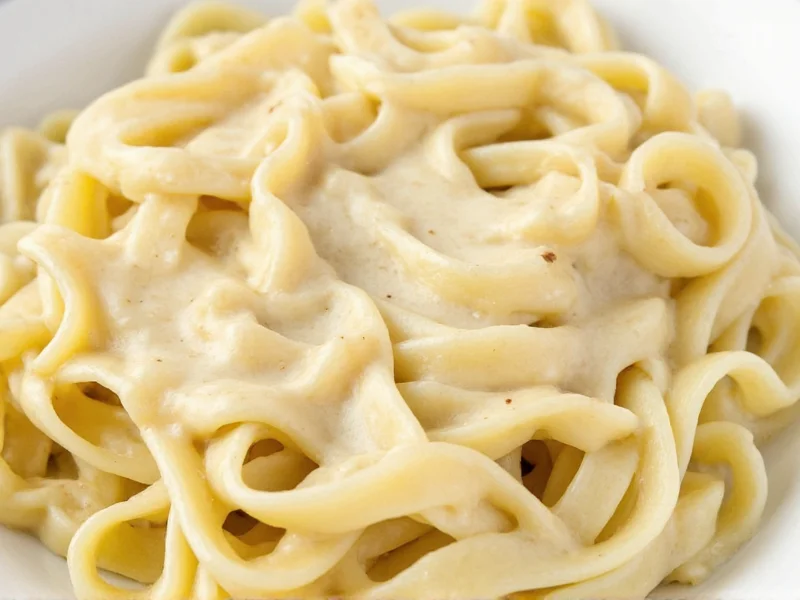
Alfredo sauce that's too thin can ruin your pasta dish, but fixing it is simpler than you might think. Whether you're working with homemade or store-bought sauce, understanding why your sauce is runny is the first step to correcting it. Most thin Alfredo issues stem from improper cheese incorporation, excess liquid, or insufficient cooking time. This guide provides professional kitchen-tested methods to achieve that perfect, velvety texture without compromising flavor.
Why Your Alfredo Sauce Might Be Too Thin
Before reaching for thickeners, identify why your sauce is runny. Common culprits include:
- Adding cheese to boiling liquid (causes separation)
- Using low-fat dairy products
- Overdiluting with pasta water
- Not cooking the sauce long enough to reduce
- Using pre-grated cheese with anti-caking agents
Effective Methods to Thicken Alfredo Sauce
Simmering and Reduction
The most natural approach requires no additional ingredients. Gently simmer your sauce over low heat, stirring frequently. As water evaporates, the sauce concentrates and thickens. This method preserves flavor but requires patience—typically 5-10 minutes. Never boil Alfredo sauce, as high heat causes dairy to separate. For how to fix runny alfredo sauce without additives, reduction is your best option.
Additional Cheese Incorporation
High-quality freshly grated Parmesan contains natural thickeners. Gradually whisk in ¼ cup increments of finely grated Parmesan until desired consistency. Avoid pre-grated varieties that contain cornstarch, which can create graininess. This technique works particularly well for thickening alfredo sauce without changing flavor while enhancing cheesy richness.
Cornstarch Slurry Method
For immediate results, create a slurry: mix 1 tablespoon cornstarch with 1 tablespoon cold water until smooth. While whisking your sauce constantly, slowly drizzle in the slurry. Continue cooking for 2-3 minutes until thickened. This method works reliably for quick fix for watery alfredo sauce but use sparingly to avoid altering texture. Never add dry cornstarch directly—it will clump.
Cream Cheese Addition
For restaurant-quality thickness, blend in 2-3 tablespoons of softened cream cheese. This adds luxurious texture without overpowering flavor. Whisk vigorously until fully incorporated. This approach is ideal when wondering how to make alfredo sauce creamy but thick simultaneously. Cream cheese stabilizes the emulsion, preventing future thinning.
Roux-Based Thickening
Create a quick roux by melting 1 tablespoon butter and whisking in 1 tablespoon flour. Cook for 1-2 minutes until golden, then gradually whisk in ½ cup warm milk or cream until smooth. Slowly incorporate this mixture into your sauce. While traditional, this method works best for how to thicken store-bought alfredo sauce that needs substantial body.
| Method | Time Required | Flavor Impact | Best For |
|---|---|---|---|
| Simmering/Reduction | 5-10 minutes | None | Natural thickening, no additives |
| Additional Cheese | 2-3 minutes | Enhanced cheesiness | Homemade sauce rescue |
| Cornstarch Slurry | 3-5 minutes | Minimal | Immediate results needed |
| Cream Cheese | 2-3 minutes | Slightly richer | Luxurious texture improvement |
| Roux | 8-10 minutes | Neutral | Substantial thinning issues |
Historical Evolution of Alfredo Sauce and Thickening Techniques
The thickening challenges in modern Alfredo sauce stem from its historical transformation. The original 1908 Roman recipe by Alfredo di Lelio used only butter and Parmesan cheese, relying solely on mechanical emulsification during vigorous tossing. When Americanized in the mid-20th century, heavy cream was introduced—creating inherent thinning issues absent in the authentic preparation. As documented by culinary historians at the Smithsonian, this adaptation fundamentally altered the sauce's physical properties and necessitated modern thickening techniques (The True Story of Alfredo Sauce).
Contextual Limitations of Thickening Methods
Each technique functions optimally only within specific parameters. Food science research identifies critical boundaries that determine method suitability:
- Additional Cheese: Requires cheese temperature between 15-20°C (59-68°F) for optimal emulsification. Adding to liquids above 60°C (140°F) causes irreversible protein coagulation and graininess (University of Nebraska Food Science, Thickening Agents).
- Cornstarch Slurry: Becomes unstable when frozen and reheated, causing permanent separation. Acidic ingredients (pH below 4.5) reduce thickening efficacy by up to 50% (University of Nebraska Food Science, Thickening Agents).
- Simmering/Reduction: Unsuitable for sauces containing gelatin or egg yolks, as prolonged heat denatures proteins. Maximum 10-minute reduction prevents butterfat separation.
- Cream Cheese: Stabilizers may cause gumminess if exceeding 3 tablespoons per 2 cups of sauce. Incompatible with traditional Roman-style Alfredo.
- Roux: Requires minimum 65°C (150°F) cooking to eliminate raw flour taste. Not suitable for gluten-free diets due to wheat content.
What NOT to Do When Thickening Alfredo Sauce
Avoid these common mistakes that can ruin your sauce:
- Boiling vigorously - causes dairy separation
- Adding cold ingredients - creates temperature shock
- Overloading with thickeners - results in gummy texture
- Using high-speed blenders - incorporates too much air
- Adding cheese to hot liquid - causes clumping
Preventing Thin Sauce in Future Preparations
Professional kitchens achieve perfect Alfredo consistency through these techniques:
- Always incorporate cheese off-heat using residual warmth
- Use high-fat dairy (minimum 14% butterfat in cream)
- Reserve starchy pasta water for controlled thinning
- Finish sauce with cold butter for emulsion stability
- Maintain temperature below 180°F (82°C) during preparation
Understanding why is my homemade alfredo sauce thin helps prevent recurrence. The starch in pasta water actually helps bind the sauce to noodles while providing controlled thickness—use about ¼ cup per serving.
Troubleshooting Separated Sauce
If your sauce has already separated, don't discard it. Create an emulsion by slowly whisking in 2-3 tablespoons of cold heavy cream while off-heat. Alternatively, blend the sauce with 1-2 ice cubes until re-emulsified. This technique saves many methods to thicken alfredo sauce that don't curdle attempts gone wrong.




 浙公网安备
33010002000092号
浙公网安备
33010002000092号 浙B2-20120091-4