
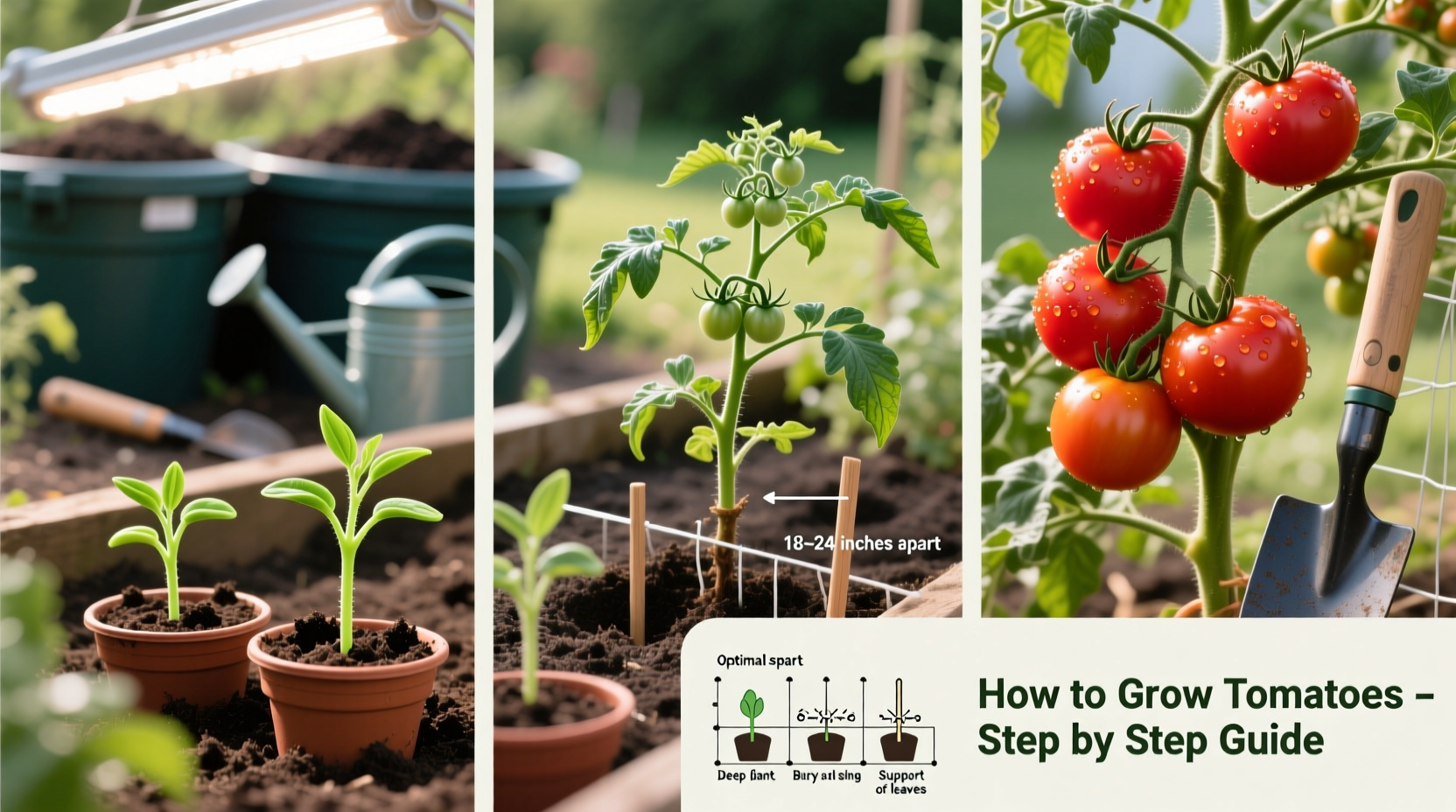
Successfully growing tomato plants requires selecting the right variety for your climate, preparing nutrient-rich soil with pH 6.2-6.8, planting after last frost when soil reaches 60°F, providing 6-8 hours of direct sunlight daily, watering consistently with 1-2 inches per week, and implementing proper support systems. Follow these science-backed steps for healthy plants and abundant harvests.
There's nothing quite like harvesting sun-warmed tomatoes from your own garden. Whether you're a first-time gardener or looking to improve your harvest, this comprehensive guide delivers proven techniques for growing thriving tomato plants. We'll walk through every critical stage with actionable advice you can implement immediately.
Planning Your Tomato Success
Before touching soil, smart planning determines your harvest quality. Tomatoes fall into three main categories with distinct growing requirements:
| Variety Type | Days to Harvest | Best For | Special Requirements |
|---|---|---|---|
| Determinate (Bush) | 50-70 days | Container gardening, canning | Minimal pruning needed |
| Indeterminate (Vining) | 70-90+ days | Fresh eating, extended harvest | Requires staking, regular pruning |
| Semi-Determinate | 60-80 days | Balanced production | Moderate support needed |
According to the USDA Plant Hardiness Zone Map, your planting timeline depends on local climate conditions. Gardeners in Zones 3-5 should start seeds indoors 6-8 weeks before last frost, while those in Zones 6-10 can direct sow after soil warms. The Cornell University Cooperative Extension confirms that tomatoes require soil temperatures of at least 60°F for proper root development.
Soil Preparation: The Foundation of Flavor
Tomatoes thrive in well-draining soil rich in organic matter. Before planting:
- Test soil pH (ideal range: 6.2-6.8) using a home kit or extension service
- Amend with 3-4 inches of compost worked into the top 12 inches of soil
- Mix in balanced organic fertilizer (5-10-10 NPK ratio)
- Create raised beds if drainage is poor (8-12 inches high)
Research from the University of California Agriculture and Natural Resources shows that proper soil preparation reduces disease incidence by up to 40% compared to unamended garden beds. Avoid planting tomatoes where potatoes, peppers, or eggplants grew the previous year to prevent soil-borne diseases.
Planting Techniques That Maximize Growth
How you plant tomatoes significantly impacts root development and yield:
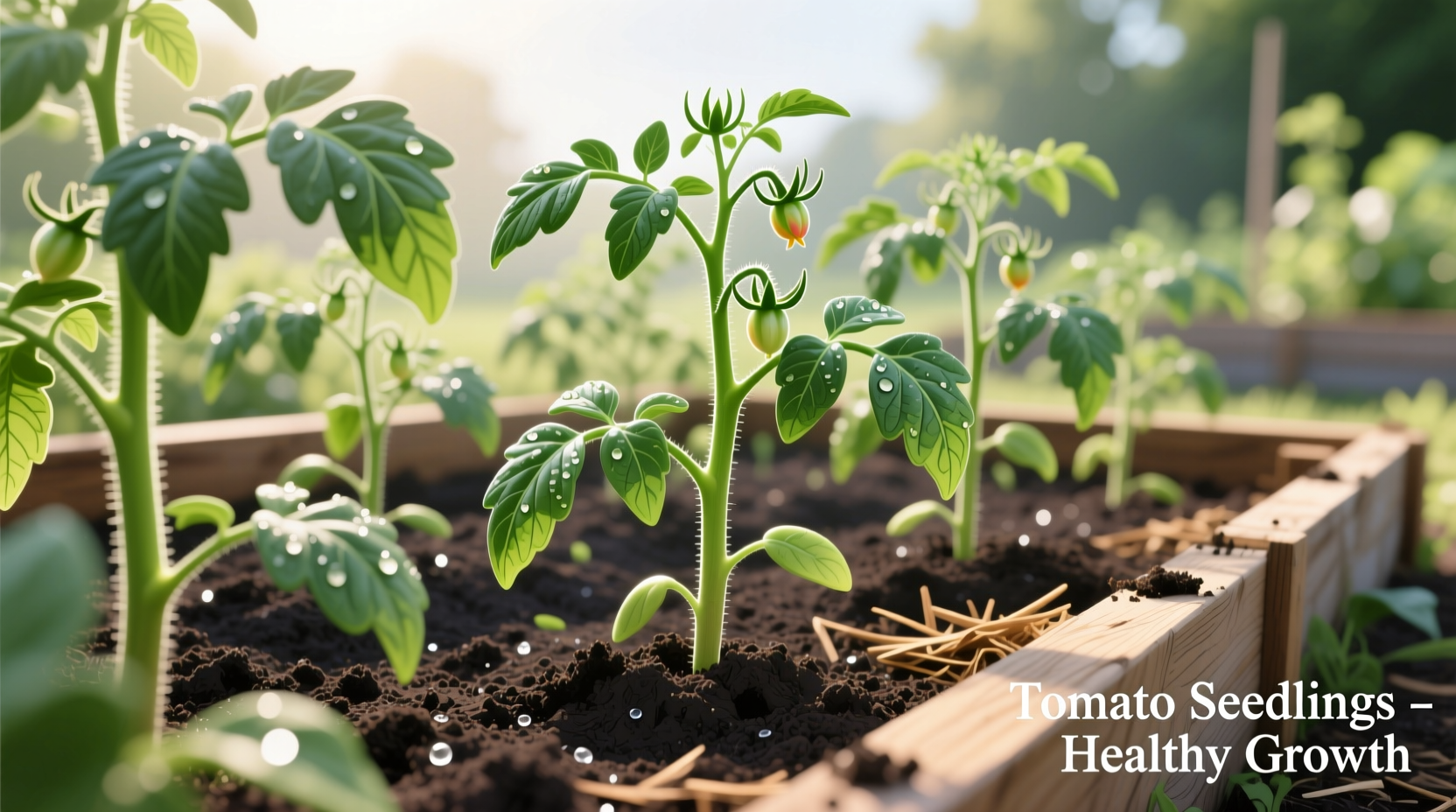
- Timing: Plant outdoors 1-2 weeks after last frost when nighttime temperatures stay above 50°F
- Depth: Bury seedlings deeper than container depth, removing lower leaves to encourage root growth along stem
- Spacing: Allow 24-36 inches between plants (48 inches for indeterminate varieties)
- Support: Install cages or stakes at planting time to avoid root damage later
When transplanting, water seedlings thoroughly the night before. Dig holes deep enough to cover the first set of true leaves. Add a handful of crushed eggshells for calcium to prevent blossom end rot. The Old Farmer's Almanac recommends planting tomatoes on cloudy days or in late afternoon to reduce transplant shock.
Essential Care for Healthy Plants
Consistent care throughout the growing season ensures maximum production:
Watering Wisdom
Tomatoes need 1-2 inches of water weekly, applied deeply at the base. The critical growth stages require specific moisture levels:
- Establishment (first 2 weeks): Keep soil consistently moist but not soggy
- Flowering: Avoid overhead watering to prevent blossom drop
- Fruit development: Maintain even moisture to prevent cracking
Fertilizing Strategy
Apply balanced fertilizer when first transplanting, then switch to low-nitrogen, high-phosphorus formula when flowers appear. Over-fertilizing creates lush foliage but fewer fruits. The University of Minnesota Extension advises against high-nitrogen fertilizers once plants begin flowering.
Pest and Disease Prevention
Common tomato challenges and science-backed solutions:
- Blossom end rot: Maintain consistent soil moisture and ensure adequate calcium
- Early blight: Rotate crops, remove affected leaves, apply copper fungicide
- Hornworms: Hand-pick or use Bacillus thuringiensis (Bt)
- Cracking: Water consistently, especially during dry spells followed by rain
Harvesting at Peak Flavor
Tomatoes develop maximum flavor and nutrition when allowed to ripen on the vine. Harvest when:
- Fruit reaches full color (red, yellow, or other variety-specific color)
- Slight give when gently squeezed
- Easily separates from stem with upward twist
For best flavor, pick tomatoes in the morning when sugars are highest. Never refrigerate ripe tomatoes as cold temperatures destroy flavor compounds. The USDA notes that vine-ripened tomatoes contain up to 30% more lycopene than those harvested green and ripened off-vine.
Troubleshooting Common Growing Challenges
Even experienced gardeners face issues. Here's how to address frequent problems:
- Yellowing leaves: Could indicate nitrogen deficiency (older leaves) or overwatering (newer leaves)
- No flowers: Too much nitrogen, insufficient sunlight, or extreme temperatures
- Small fruit: Overcrowding, inadequate pollination, or nutrient imbalance
- Leaf curl: Often environmental stress rather than disease - monitor for pests
Remember that tomatoes are sensitive to temperature extremes. They stop setting fruit when daytime temperatures exceed 90°F or nighttime temperatures stay above 75°F. Providing afternoon shade in hot climates can significantly improve fruit set.
Extending Your Harvest Season
Maximize your tomato bounty with these professional techniques:
- Succession planting: Start new plants every 2-3 weeks for continuous harvest
- End-of-season ripening: Pick green tomatoes before first frost and ripen indoors
- Cold protection: Use row covers when temperatures dip below 55°F
- Heat management: Mulch heavily and provide afternoon shade in extreme heat
By understanding your specific climate challenges and implementing these research-backed methods, you'll enjoy a more productive tomato harvest with better tasting fruit. The journey from seed to harvest connects you with centuries of gardening wisdom while providing delicious, nutritious food for your table.




 浙公网安备
33010002000092号
浙公网安备
33010002000092号 浙B2-20120091-4