
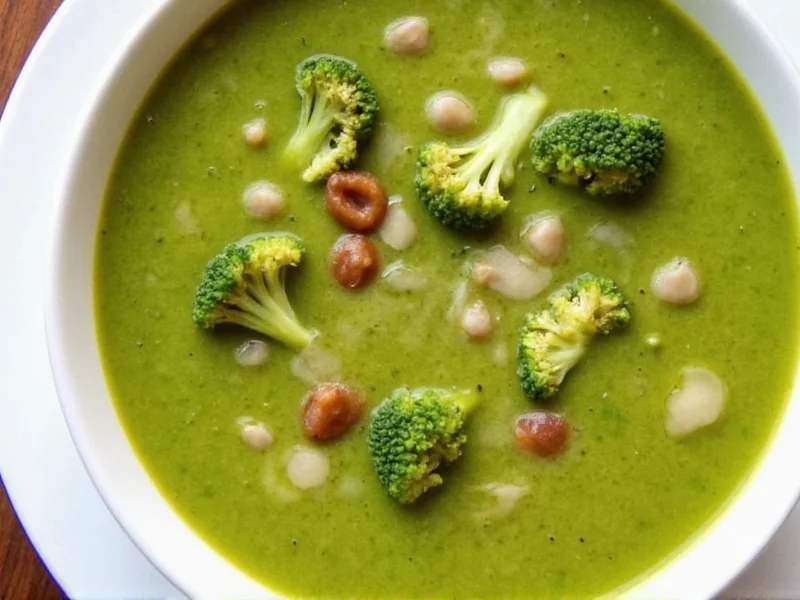
Perfect Broccoli Soup: A Simple Recipe Anyone Can Master
Broccoli soup is a comforting, nutritious meal that's surprisingly simple to prepare. Whether you're looking for a light lunch or a hearty dinner starter, this versatile recipe adapts beautifully to various dietary needs while delivering exceptional flavor. The key to great broccoli soup lies in proper cooking technique and ingredient balance—overcook the broccoli and you'll lose both color and nutrients, while undercooking leaves an unpleasant texture.
Essential Ingredients for Flavorful Broccoli Soup
Quality ingredients form the foundation of exceptional broccoli soup. While grocery store options work fine, selecting fresh, vibrant broccoli makes a noticeable difference in both taste and nutritional value. The following table details exactly what you'll need for a perfect batch serving 4 people:
| Ingredient | Quantity | Preparation Notes |
|---|---|---|
| Fresh broccoli | 1.5 lbs (680g) | Separate florets from stems; peel and dice stems |
| Yellow onion | 1 medium | Finely diced |
| Garlic | 3 cloves | Minced |
| Vegetable broth | 4 cups | Low-sodium preferred |
| Olive oil | 2 tbsp | Extra virgin |
| Heavy cream | 1/2 cup | Optional for creamy version |
| Lemon juice | 1 tbsp | Freshly squeezed |
Step-by-Step Cooking Instructions
Follow these precise steps to create restaurant-quality broccoli soup at home. The entire process takes approximately 25-30 minutes from preparation to serving.
Preparation (5 minutes)
Wash and thoroughly dry the broccoli. Separate the florets from the stems. Peel the tough outer layer from the stems and dice them into 1/2-inch pieces—don't discard them! Broccoli stems contain excellent flavor and nutrients. Finely dice the onion and mince the garlic cloves.
Cooking Process (20 minutes)
- Heat olive oil in a large pot over medium heat. Add onions and sauté for 3-4 minutes until translucent.
- Add garlic and cook for 30 seconds until fragrant—be careful not to burn it.
- Add broccoli stems first (they take longer to cook) and sauté for 2 minutes.
- Add broccoli florets, vegetable broth, and a pinch of salt. Bring to a gentle boil.
- Reduce heat to low, cover, and simmer for 12-15 minutes until broccoli is fork-tender but still vibrant green.
- Remove from heat and let cool slightly before blending.
Blending and Finishing Touches
For the smoothest texture, use an immersion blender directly in the pot. If using a countertop blender, fill only halfway and hold the lid securely with a towel to prevent hot soup from spraying. Blend until completely smooth—about 1-2 minutes.
Return the blended soup to low heat if needed and stir in your choice of finishing elements:
- Creamy version: Add 1/2 cup heavy cream or half-and-half
- Vegan version: Stir in 1/4 cup coconut milk
- Light version: Skip dairy and add 2 tbsp Greek yogurt
Finish with 1 tablespoon fresh lemon juice to brighten the flavor and a pinch of freshly ground black pepper. Taste and adjust seasoning as needed.
Pro Tips for Exceptional Broccoli Soup
Mastering how to make broccoli soup that impresses requires attention to these critical details:
- Don't overcook the broccoli—simmer just until tender to preserve vibrant color and nutrients. Extended cooking turns broccoli mushy and dull green.
- Use both florets and stems—broccoli stems add wonderful texture and contain as much nutrition as the florets.
- Blend while hot for the smoothest texture; cooling causes the soup to thicken and become harder to blend evenly.
- Add acid at the end—lemon juice or a splash of vinegar brightens flavors without making the soup taste sour.
- For extra depth, add a Parmesan rind while simmering (remove before blending).
Popular Variations to Try
Once you've mastered the basic how to make broccoli soup technique, experiment with these delicious variations:
Cheesy Broccoli Soup
After blending, stir in 1 cup shredded sharp cheddar cheese until melted. For best results, add cheese gradually over low heat to prevent separation.
Vegan Broccoli Soup
Substitute vegetable broth for any meat-based broths, use coconut milk instead of dairy, and add 1/4 cup nutritional yeast for cheesy flavor without dairy.
Broccoli Soup with Protein Boost
Add 1 cup cooked white beans or 1/2 cup cooked quinoa when blending for extra protein and fiber, creating a more substantial meal.
Avoiding Common Broccoli Soup Mistakes
Even experienced cooks encounter issues when preparing broccoli soup. Here's how to avoid the most frequent problems:
- Watery soup: Simmer uncovered for an additional 5-10 minutes to reduce and concentrate flavors.
- Bitter taste: Use fresh broccoli (older broccoli develops bitterness) and avoid overcooking.
- Grainy texture: Ensure broccoli is fully cooked before blending and use a high-powered blender.
- Separation: When adding dairy, temper it by mixing a small amount of hot soup with the cream before adding to the main pot.
Serving and Storage Recommendations
Serve your homemade broccoli soup immediately for best flavor and texture. Excellent accompaniments include:
- Crusty bread or garlic bread
- Simple green salad with vinaigrette
- Grilled cheese sandwich for a classic pairing
Store leftovers in an airtight container in the refrigerator for up to 4 days. For longer storage, freeze in portion-sized containers for up to 3 months. When reheating, do so gently over medium-low heat to prevent separation, adding a splash of broth if needed.
Frequently Asked Questions
How long should I cook broccoli for soup?
Simmer broccoli for 12-15 minutes until fork-tender but still vibrant green. Overcooking causes loss of color, nutrients, and creates a mushy texture. Stems require 2-3 minutes of sautéing before adding florets since they take longer to cook.
Can I make broccoli soup without cream?
Absolutely. For creamy texture without dairy, blend in 1/2 cup cooked white beans or 1/4 cup raw cashews with the soup. The natural starches create a rich, velvety texture while adding protein and fiber to your healthy broccoli soup.
Why is my broccoli soup turning brown?
Broccoli turns brown when overcooked or exposed to air. To maintain vibrant green color, don't simmer longer than 15 minutes, add an acid like lemon juice at the end, and blend while still hot. Avoid covering the pot after blending as steam can discolor the soup.
What's the best way to thicken broccoli soup?
The best natural thickeners for broccoli soup include blending in cooked potatoes, white beans, or a roux made from equal parts butter and flour. Avoid cornstarch if possible, as it can create an artificial texture. Simmering uncovered for 5-10 minutes also naturally concentrates and thickens the soup.
Can I use frozen broccoli for soup?
Yes, frozen broccoli works well for soup, though fresh produces superior flavor and texture. If using frozen, add it directly to the hot broth without thawing to prevent mushiness. You may need to extend cooking time by 3-5 minutes since frozen broccoli starts at a lower temperature.




 浙公网安备
33010002000092号
浙公网安备
33010002000092号 浙B2-20120091-4