
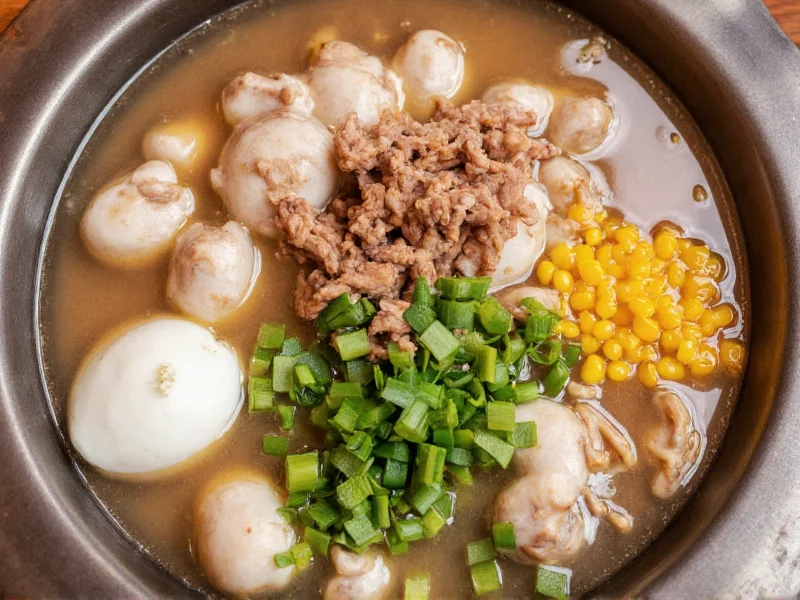
The essential hot sour soup ingredients include chicken or pork broth, Chinkiang vinegar for sourness, white pepper for heat, wood ear mushrooms, shiitake mushrooms, bamboo shoots, firm tofu, beaten eggs, and cornstarch slurry for thickening. Authentic Sichuan-style hot sour soup also features cloud ear fungus and sometimes shredded pork, creating the signature balance of tangy and spicy flavors that define this classic Chinese soup.
Understanding Authentic Hot Sour Soup Components
Hot sour soup, known as suān là tāng (酸辣汤) in Mandarin, represents one of China's most iconic culinary creations. This beloved dish originated in Sichuan province, where chefs perfected the delicate balance between vinegar's sharp tang and white pepper's gentle heat. Unlike Western interpretations that often rely on chili oil for spiciness, traditional hot sour soup achieves its distinctive flavor profile through carefully calibrated ingredients that work in harmony.
Core Hot Sour Soup Ingredients Breakdown
Creating an authentic hot sour soup requires understanding each component's specific role. Let's examine the essential hot sour soup ingredients and their culinary purpose:
| Ingredient | Traditional Amount | Primary Function | Authenticity Level |
|---|---|---|---|
| Chinkiang vinegar | 2-3 tbsp | Sour base | Essential |
| White pepper | 1-1.5 tsp | Heat without visual spice | Essential |
| Wood ear mushrooms | 10g dried | Texture and earthiness | Essential |
| Shiitake mushrooms | 5 dried | Umami depth | Essential |
| Bamboo shoots | 50g | Crunchy texture | Essential |
| Firm tofu | 100g | Protein element | Essential |
| Egg | 1 whole | Signature ribbons | Essential |
| Cornstarch slurry | 2 tbsp + water | Thickening agent | Essential |
| Cloud ear fungus | 5g dried | Crunchy texture | Traditional |
| Shredded pork | 50g | Additional protein | Regional variation |
The Science Behind Hot Sour Flavor Balance
Understanding what makes hot sour soup sour requires examining the precise chemistry of its ingredients. Chinkiang vinegar, made from glutinous rice, provides a complex sourness with subtle sweetness that rice vinegar cannot replicate. The magic happens when vinegar's acetic acid interacts with white pepper's piperine compounds, creating a warming sensation that builds gradually rather than overwhelming the palate.
Many home cooks make the mistake of substituting black pepper for white pepper, which introduces unwanted visual specks and a harsher flavor profile. Authentic hot sour soup ingredients maintain visual clarity while delivering layered flavors. The cornstarch slurry serves a dual purpose: thickening the broth to proper consistency while helping ingredients suspend evenly throughout the soup.
Regional Variations in Hot Sour Soup Ingredients
While Sichuan-style hot sour soup represents the gold standard, regional adaptations have emerged across China and internationally:
- Sichuan version: Features cloud ear fungus, wood ear mushrooms, and emphasizes white pepper over chili heat
- Cantonese interpretation: Uses lighter broth, less vinegar, and often includes seafood elements
- American-Chinese adaptation: Typically substitutes rice vinegar for Chinkiang, adds chili oil for visible heat, and increases cornstarch for thicker consistency
- Taiwanese style: Incorporates miso paste for additional umami depth
When exploring traditional Chinese hot sour soup components, note that authentic recipes rarely include chili oil—the "hot" comes almost exclusively from white pepper. This distinguishes it from many restaurant versions that cater to Western expectations of visible spice.
Practical Ingredient Substitutions
Finding authentic hot sour soup ingredients can be challenging outside Asia. Here are practical substitutions that maintain flavor integrity:
- Chinkiang vinegar substitute: Balsamic vinegar (1 part) mixed with rice vinegar (2 parts) creates a reasonable approximation
- Wood ear mushrooms alternative: Rehydrated dried shiitakes can provide similar texture when sliced thinly
- Cloud ear fungus replacement: Thinly sliced cucumber adds comparable crunch in emergency situations
- Vegetarian adaptation: Use mushroom broth instead of chicken/pork broth and omit meat proteins
When making substitutions for hot sour soup spice ingredients, remember that white pepper remains irreplaceable for authentic flavor. Ground mustard seed offers a distant second-best option when white pepper is unavailable.
Avoiding Common Ingredient Mistakes
Many home cooks encounter problems with their hot sour soup due to ingredient errors:
- Vinegar added too early: Boiling destroys vinegar's nuanced flavor—add near the end of cooking
- Incorrect thickening technique: Pouring cornstarch slurry directly creates lumps—always temper with broth first
- Overcooked egg ribbons: Adding egg too vigorously creates scrambled eggs instead of delicate strands
- Insufficient resting time: Authentic hot sour soup ingredients need 5 minutes off-heat for flavors to meld properly
Mastering the essential ingredients for hot sour soup requires attention to both component quality and preparation technique. The vinegar-to-pepper ratio typically falls between 2:1 and 3:1, depending on regional preferences and individual tolerance.
Conclusion: The Essence of Authenticity
True hot sour soup transcends mere ingredient listing—it represents a culinary philosophy where each component serves a specific purpose in creating balanced harmony. Understanding hot sour soup ingredient substitutions while respecting traditional preparation methods allows home cooks to recreate this classic dish with authenticity. Whether you're using traditional Chinese hot sour soup components or making thoughtful adaptations, maintaining the delicate equilibrium between sour and hot elements remains paramount to success.
Frequently Asked Questions
What vinegar is traditionally used in authentic hot sour soup?
Chinkiang vinegar (also called Zhenjiang vinegar) is the traditional souring agent in authentic hot sour soup. This black rice vinegar provides a complex, slightly sweet sourness that rice vinegar cannot replicate. Its deep color contributes to the soup's characteristic appearance while delivering the nuanced tang essential to the dish.
Why does authentic hot sour soup use white pepper instead of chili peppers?
Traditional hot sour soup relies on white pepper rather than chili peppers to achieve its "hot" element because white pepper provides a clean, warming sensation without altering the soup's visual appearance. The piperine in white pepper creates gradual heat that complements rather than overwhelms the sour notes, maintaining the delicate flavor balance that defines authentic Sichuan-style hot sour soup.
Can I make hot sour soup without cornstarch?
While cornstarch creates the signature silky texture of traditional hot sour soup, you can substitute arrowroot powder or potato starch at a 1:1 ratio. For a completely starch-free version, reduce the broth by half to naturally thicken it, though this alters the traditional consistency. Authentic hot sour soup ingredients always include some thickening agent to properly suspend the delicate ingredients throughout the broth.
What gives hot sour soup its distinctive sour flavor?
The distinctive sour flavor in authentic hot sour soup comes primarily from Chinkiang vinegar, which provides a complex acidity with subtle sweetness. The sourness should be pronounced but balanced—never harsh or one-dimensional. Some regional variations incorporate a small amount of rice wine or fermented black beans to enhance the sour complexity without overwhelming the palate.
Are wood ear mushrooms essential for authentic hot sour soup?
Yes, wood ear mushrooms are considered essential in traditional hot sour soup ingredients. They provide a distinctive crunchy texture that contrasts beautifully with the silky broth. When properly rehydrated and sliced, they contribute an earthy flavor without overpowering other components. While substitutions exist, authentic Sichuan-style hot sour soup always includes wood ear mushrooms as a signature element.




 浙公网安备
33010002000092号
浙公网安备
33010002000092号 浙B2-20120091-4