
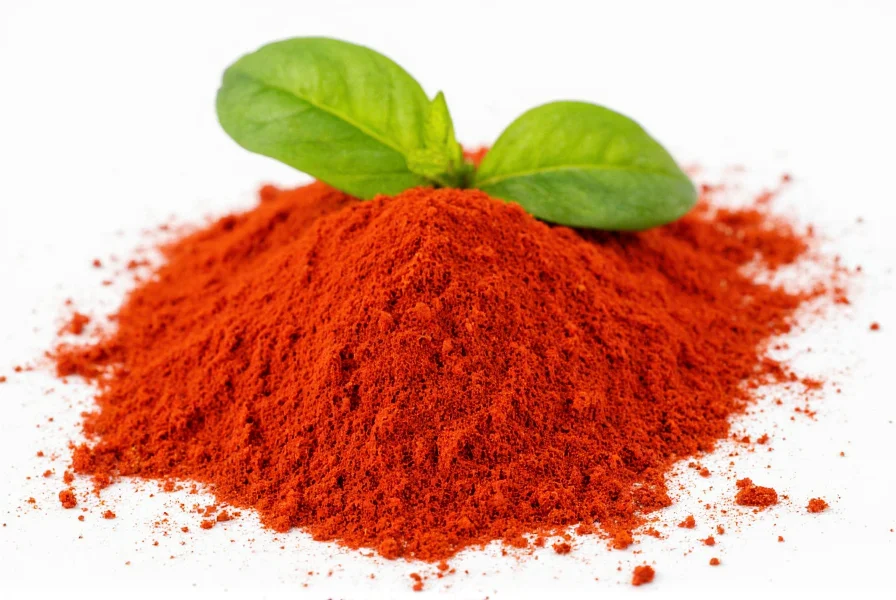
Understanding Hot Pepper Spice Varieties and Applications
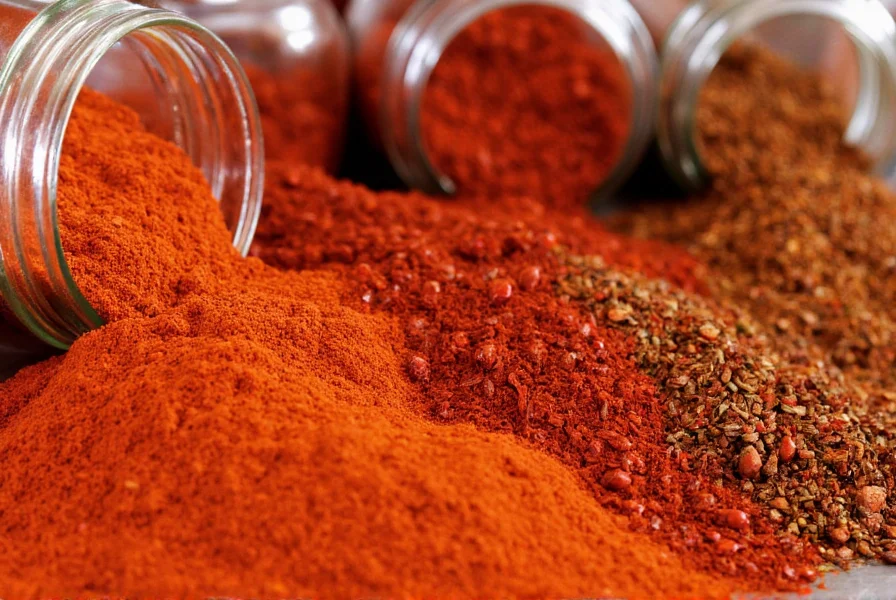
When exploring the world of hot pepper spice, it's essential to recognize the significant differences between various types. Not all "red pepper flakes" are created equal, and understanding these distinctions can transform your cooking experience. The heat intensity, flavor profile, and ideal culinary applications vary dramatically across different hot pepper spice options.
The Science Behind the Heat
Capsaicinoids, particularly capsaicin, create the burning sensation associated with hot peppers. The Scoville Heat Unit (SHU) scale measures this intensity, ranging from zero for bell peppers to over 2 million SHU for the Carolina Reaper. Understanding these measurements helps home cooks select appropriate hot pepper spice for their tolerance level and recipe requirements.
| Hot Pepper Variety | Scoville Heat Units | Flavor Profile | Common Culinary Uses |
|---|---|---|---|
| Cayenne Pepper | 30,000-50,000 SHU | Sharp, bright heat | Curries, sauces, marinades |
| Crushed Red Pepper | 5,000-50,000 SHU | Mild to medium heat, slightly fruity | Pizza, pasta, soups |
| Chipotle Powder | 2,500-8,000 SHU | Smoky, earthy with moderate heat | BBQ rubs, chili, stews |
| Habanero Powder | 100,000-350,000 SHU | Intense heat with tropical fruit notes | Salsas, hot sauces, Caribbean dishes |
Regional Hot Pepper Spice Traditions
Cultures worldwide have developed unique hot pepper spice traditions that reflect local ingredients and culinary preferences. In Italian cooking, crushed red pepper typically comes from Calabrian peppers, while Mexican cuisine favors blends incorporating guajillo and ancho peppers. Understanding these regional differences helps recreate authentic flavors when cooking international dishes.
Historical Evolution of Hot Pepper Spice
Archaeological evidence confirms chili peppers were first domesticated in Mesoamerica approximately 6,000 BCE, with early cultivation sites discovered in Oaxaca's Guilá Naquitz Cave. Spanish traders introduced them to Europe in 1493, triggering rapid adoption across Asia and Africa within decades. Industrial-scale grinding emerged in the 19th century, transforming regional specialties into globally traded commodities. According to USDA Agricultural Research Service documentation, global dry chili production has grown from 1.8 million metric tons in 1961 to over 3.8 million metric tons in 2020, reflecting both agricultural innovation and cultural integration.
Source: USDA Agricultural Research Service - Historical Production Data
Practical Culinary Applications
Knowing how to properly use hot pepper spice makes all the difference in your cooking. For subtle background heat, add spices early in the cooking process. For more pronounced heat and fresh pepper flavor, incorporate them toward the end. When working with extremely hot varieties like ghost pepper powder, start with a tiny pinch—these potent spices can easily overwhelm a dish.
Contextual Limitations in Application
Hot pepper spice performance varies significantly under specific conditions, requiring strategic adjustments:
- High-Temperature Degradation: Prolonged exposure above 175°C (350°F) degrades capsaicin, reducing heat intensity by up to 50% in slow-cooked dishes like stews (National Center for Home Food Preservation, 2022).
- Fat Solubility Dynamics: Capsaicin binds with dietary fats, causing slower heat release in creamy sauces. This requires 20-30% more spice to match water-based dish heat levels (American Chemical Society, 2021).
- Digestive Sensitivity Thresholds: Clinical guidelines identify capsaicin as a common trigger for irritable bowel syndrome (IBS) symptoms in 12% of the population, necessitating strict moderation (American College of Gastroenterology, 2023).
Health Benefits and Considerations
Clinical research confirms that capsaicin in hot pepper spice offers measurable health benefits when consumed moderately. A 2017 NIH-reviewed study demonstrated dietary capsaicin (0.9-1.8mg per meal) increases metabolic rate by 4-5% for up to three hours, while topical applications are FDA-approved for osteoarthritis pain relief. Emerging evidence also indicates potential cardiovascular benefits through improved endothelial function. However, individuals with digestive sensitivities should exercise caution, as excessive consumption may trigger discomfort. The optimal intake aligns with culinary usage rather than supplementation.
Source: NIH Study on Capsaicin Metabolism Effects
Creating Your Own Custom Hot Pepper Spice Blend
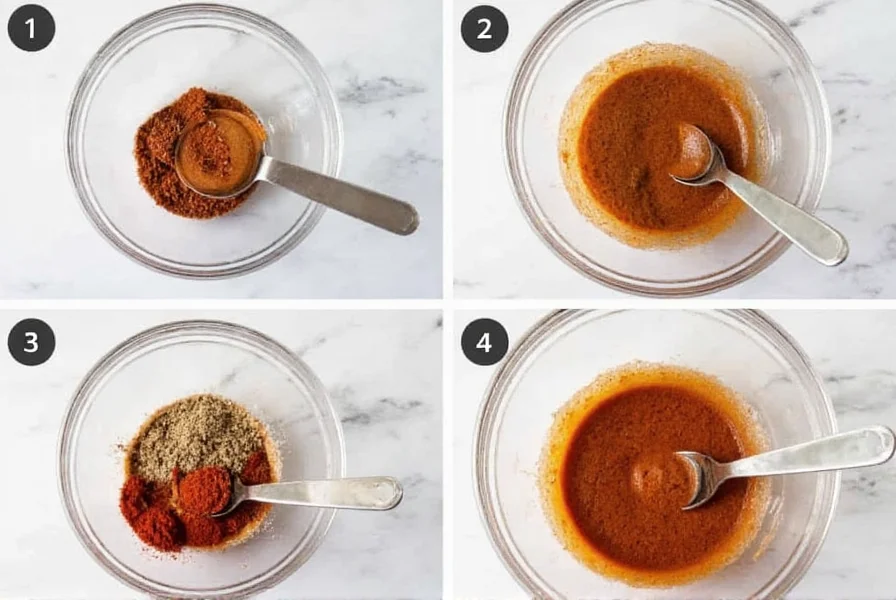
Homemade hot pepper spice blends allow complete control over heat level and flavor profile. A basic blend combines equal parts cayenne, paprika, and crushed red pepper. For more complexity, add garlic powder, onion powder, and a touch of smoked paprika. Store your blend in an airtight container away from light and heat to preserve potency for up to six months.
Substitutions and Storage Tips
When you run out of hot pepper spice, several substitutions work depending on your recipe. For mild heat, try paprika with a pinch of cayenne. For smoky flavor, use chipotle powder. Fresh chopped jalapeños or serranos can replace dried spice in many dishes, though the flavor profile will differ. Proper storage in dark glass containers extends shelf life while maintaining flavor intensity.




 浙公网安备
33010002000092号
浙公网安备
33010002000092号 浙B2-20120091-4