
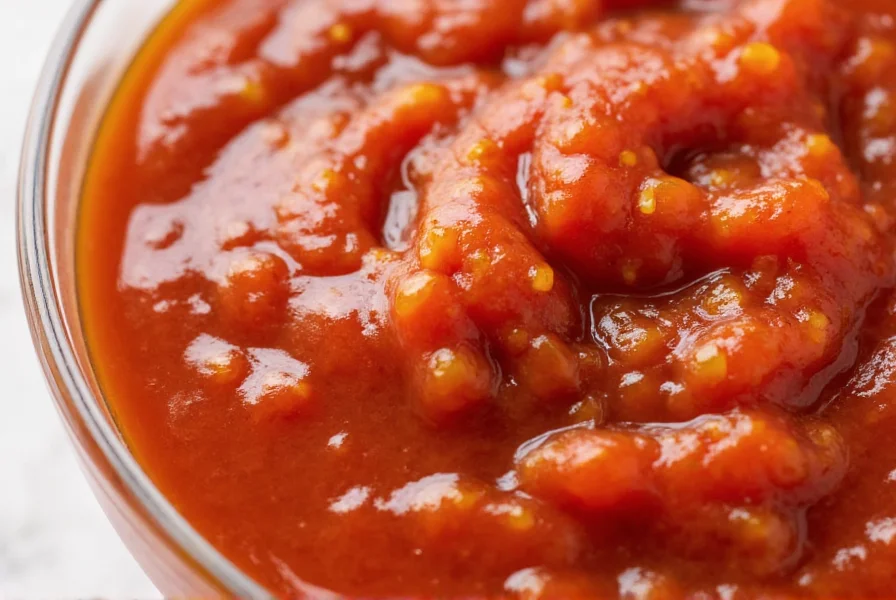
Understanding Hot Pepper Sauce Composition
At its core, hot pepper sauce combines three essential elements: chili peppers for heat, vinegar for acidity and preservation, and salt for flavor enhancement. The Scoville scale measures heat intensity, ranging from mild (500–2,500 SHU) like banana peppers to extreme (1,000,000+ SHU) like ghost peppers. Additional ingredients like garlic, fruits, or spices create distinctive flavor profiles that determine optimal food pairings.
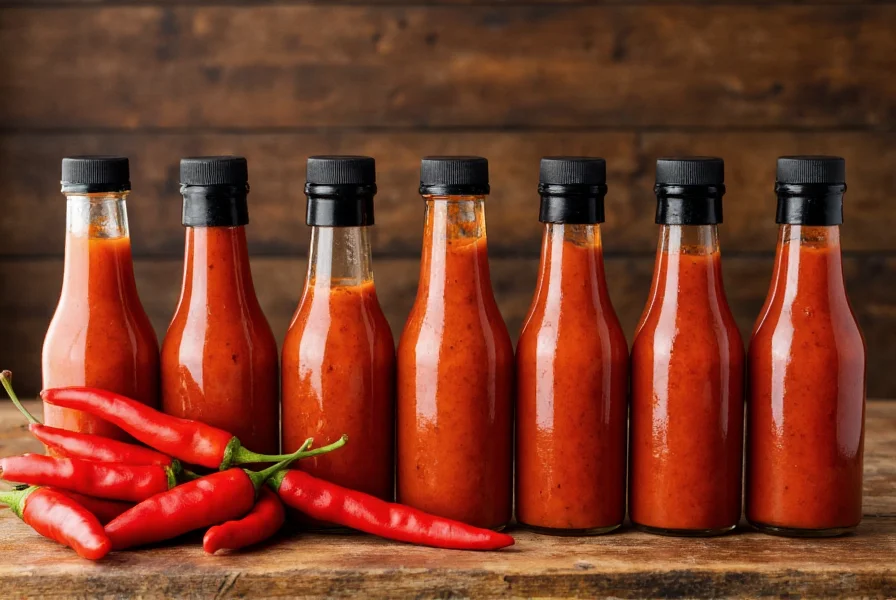
Global Varieties and Their Culinary Applications
Regional variations reflect local ingredients and culinary traditions. Tabasco-style sauces (made with tabasco peppers) offer vinegar-forward heat ideal for Bloody Marys and seafood. Habanero sauces provide fruity, floral notes that balance Caribbean jerk dishes. Sriracha's garlic-ginger profile makes it perfect for Asian-inspired recipes. Understanding what foods go well with hot pepper sauce requires matching the sauce's characteristics to the dish's flavor profile.
| Pepper Type | Scoville Range | Best Food Pairings |
|---|---|---|
| Jalapeño | 2,500–8,000 | Tacos, nachos, pizza, avocado toast |
| Habanero | 100,000–350,000 | Caribbean stews, mango salsa, grilled pineapple |
| Chipotle | 2,500–10,000 | Barbecue, chili, roasted vegetables, bean dishes |
| Ghost Pepper | 800,000–1,041,000 | Extreme heat challenges, small amounts in braises |
The Scoville heat ranges provided align with modern measurement standards documented by the University of Georgia Cooperative Extension, which utilizes high-performance liquid chromatography (HPLC) for objective heat quantification.
Historical Evolution of Hot Pepper Sauce
Chili peppers were first domesticated around 7500 BC in Mesoamerica, where indigenous communities created early sauces by combining fresh chilies with tomatoes and other local ingredients. The global dissemination began in the 16th century when Spanish traders introduced peppers to Europe, Africa, and Asia, leading to region-specific adaptations like gochujang in Korea. Commercial production started in 1868 with Edmund McIlhenny's Tabasco sauce in Louisiana. The late 20th century saw a surge in artisanal hot sauces, driven by fermentation innovations and interest in heirloom pepper varieties—a trajectory documented by New Mexico State University's Chile Pepper Institute.
Practical Pairing Strategies for Everyday Cooking
When determining how to use hot sauce in cooking, consider both heat level and complementary flavors. For breakfast dishes like eggs or avocado toast, choose mild sauces with citrus notes that won't overpower delicate flavors. The best hot pepper sauce for eggs typically features jalapeños or serranos with lime juice. Mexican cuisine benefits from smoky chipotle sauces, while Asian dishes pair well with garlic-forward varieties like sriracha.
Balance is crucial—add sauce gradually during cooking to control heat levels. For finishing dishes, select sauces with complex secondary flavors like mango-habanero or tamarind-infused varieties that contribute depth beyond mere heat. Understanding hot pepper sauce pairing guide principles ensures each application enhances rather than dominates the dish.
Contextual Limitations and Application Boundaries
Hot pepper sauce is not universally applicable across all culinary contexts. Individuals with gastroesophageal reflux disease (GERD) should avoid capsaicin-rich sauces, as the National Institute of Diabetes and Digestive and Kidney Diseases identifies spicy foods as common triggers for reflux symptoms. Culinary pairings also have boundaries: extremely hot sauces (above 500,000 SHU) overwhelm delicate dishes like poached fish or custards, and may cause an unbalanced burning sensation when paired with dairy-based sauces without acidic counterpoints. Additionally, hot sauce should be used sparingly in sweet applications—such as fruit desserts—where it can create dissonant flavor clashes unless carefully balanced with complementary ingredients like lime or honey.
Storage and Shelf Life Considerations
Proper storage maintains quality and safety. Most commercial sauces last 6–12 months unopened, and 1–2 months refrigerated after opening. Homemade versions have shorter shelf lives (2–4 weeks) due to lack of preservatives. Always check for signs of spoilage like mold, off odors, or separation that doesn't resolve with shaking. The hot sauce shelf life directly impacts flavor integrity and food safety.
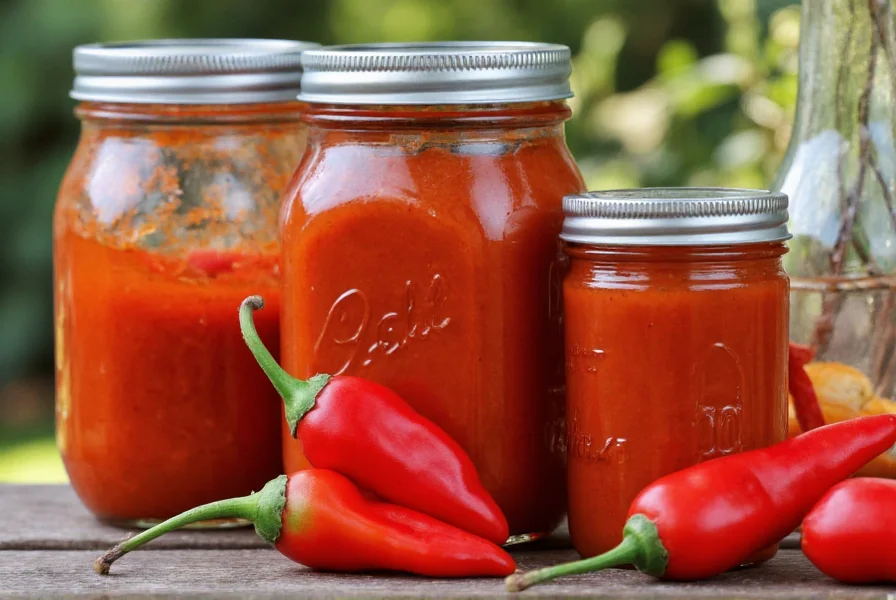
Creating Custom Blends at Home
For those interested in making homemade hot pepper sauce, start with a basic ratio: 1 part peppers to 2 parts vinegar with 1–2% salt by weight. Roast peppers for smoky depth, or use fresh for brighter flavors. Fermentation (3–4 weeks) develops complex flavors—add garlic, fruits, or spices during this stage. Always wear gloves when handling hot peppers and work in well-ventilated areas to avoid irritation.
Safety and Handling Best Practices
When working with extremely hot peppers, protect your skin and eyes. Wear nitrile gloves and avoid touching your face. If irritation occurs, use milk or oil to neutralize capsaicin rather than water. Never inhale fumes from boiling peppers. For accidental contact with eyes, flush immediately with cool water for 15 minutes. Understanding proper handling ensures safe experimentation with different types of hot pepper sauce.
Conclusion: Maximizing Culinary Potential
Hot pepper sauce transforms ordinary dishes through strategic application. By matching sauce characteristics to food profiles and understanding heat management, home cooks can elevate their culinary creations. The key lies in viewing hot sauce not merely as a heat source but as a complex flavor component that, when used thoughtfully, enhances the entire dining experience.
Frequently Asked Questions
What's the difference between hot sauce and hot pepper sauce?
Hot pepper sauce specifically refers to sauces made primarily from chili peppers, while hot sauce is a broader category that may include non-pepper ingredients as primary heat sources. Traditional hot pepper sauce maintains peppers as the dominant ingredient, preserving their distinctive flavor profiles beyond just heat.
Can I use hot pepper sauce as a meat tenderizer?
Yes, the acids in hot pepper sauce (particularly vinegar-based varieties) help break down proteins, making it an effective tenderizer. Marinate meats for 2–4 hours—longer durations may make meat mushy. This technique works especially well for tougher cuts like flank steak or chicken thighs.
Why does my homemade hot sauce separate?
Separation occurs when ingredients aren't properly emulsified. Adding a small amount of xanthan gum (1/8 teaspoon per cup) stabilizes the mixture. Alternatively, blend the sauce thoroughly after cooking and before bottling. Proper vinegar-to-pepper ratios (typically 2:1) also prevent separation in mild hot sauce recommendations for home preparation.
How can I reduce the heat of an overly spicy dish?
Add dairy products like yogurt or sour cream, which contain casein that binds to capsaicin. Acidic ingredients like lime juice can also balance heat perception. For spicy sauce for tacos that's too hot, incorporate more base ingredients (like additional meat or beans) rather than trying to remove the sauce entirely.
Does hot pepper sauce have health benefits?
Capsaicin in chili peppers may boost metabolism and provide temporary pain relief. The vinegar content aids digestion, and many sauces contain vitamin C from peppers. However, benefits are modest—hot pepper sauce should be viewed primarily as a flavor enhancer rather than a health supplement.




 浙公网安备
33010002000092号
浙公网安备
33010002000092号 浙B2-20120091-4