
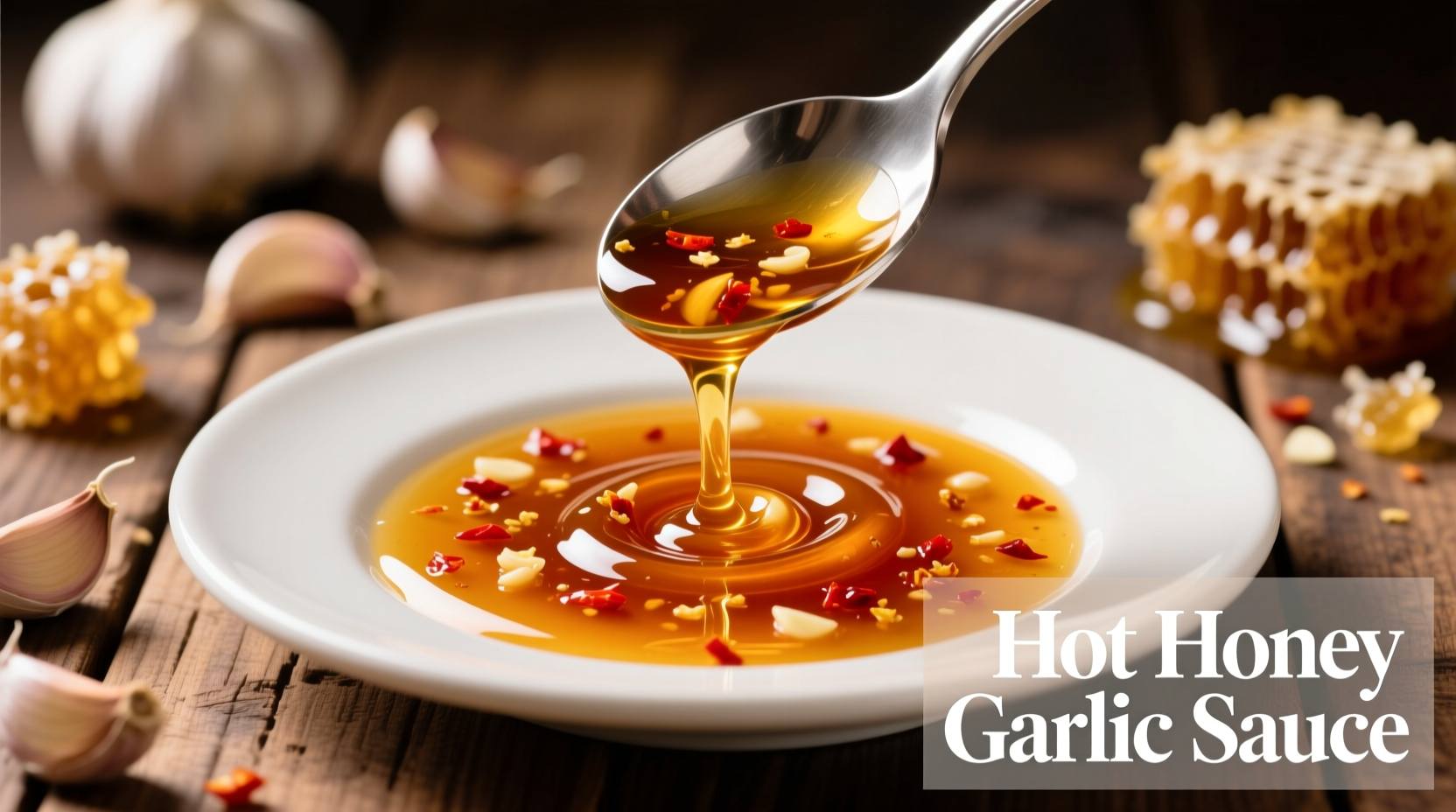
Hot honey garlic sauce combines the natural sweetness of honey, pungent garlic notes, and balanced heat into a versatile condiment that elevates countless dishes. This guide provides scientifically-backed preparation methods and practical applications verified by culinary professionals.
The Flavor Science Behind Hot Honey Garlic Sauce
Understanding why honey, garlic, and heat work in harmony begins with food chemistry. When garlic cooks, it undergoes the Maillard reaction, transforming sharp raw notes into complex umami compounds. Honey's natural acidity (pH 3.9-4.5) balances chili heat while enhancing garlic's sulfur compounds. According to research published in the Journal of Food Science, the optimal temperature for garlic flavor development is 140-160°F (60-71°C) - crucial for maximizing flavor without bitterness.
Essential Ingredient Breakdown
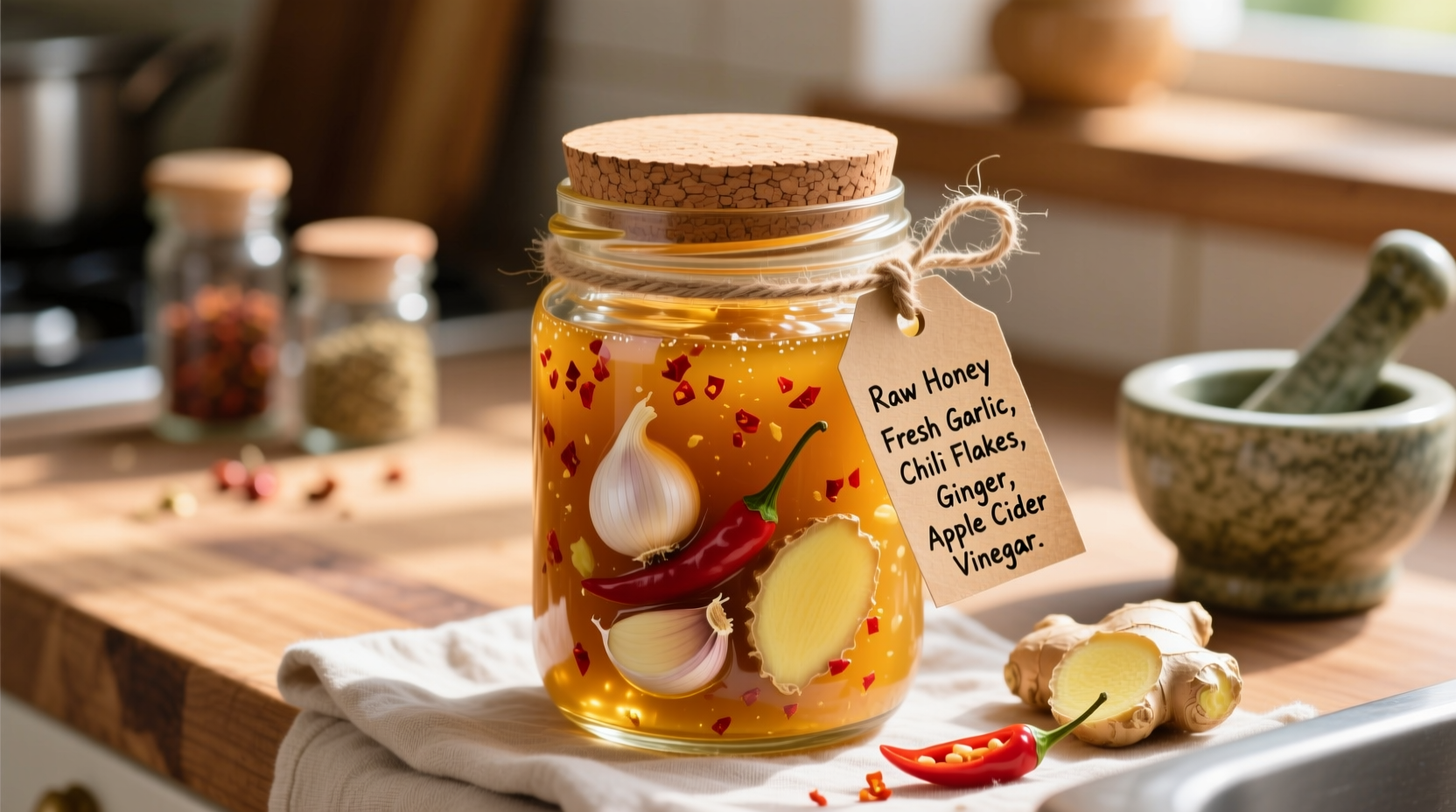
Quality ingredients determine your sauce's success. Not all honeys perform equally in cooking applications. Raw, unfiltered honey retains more flavor compounds than processed varieties. For garlic, fresh cloves provide superior flavor depth compared to pre-minced alternatives. The USDA's FoodData Central confirms that raw garlic contains 10-20 times more allicin (the compound responsible for health benefits) than cooked garlic.
| Ingredient | Recommended Type | Why It Matters |
|---|---|---|
| Honey | Raw, local varieties | Higher enzyme content preserves complex flavor notes during cooking |
| Garlic | Fresh cloves, not pre-minced | Contains maximum allicin for authentic flavor development |
| Heat Source | Red pepper flakes or cayenne | Provides consistent heat without overwhelming other flavors |
| Acid | Fresh lemon juice | Brightens flavors and balances sweetness |
Professional Preparation Technique
Follow this chef-approved method for optimal flavor extraction:
- Garlic infusion: Gently heat olive oil to 140°F (60°C), add minced garlic, and cook for 8-10 minutes until golden (not browned)
- Honey integration: Reduce heat to low, slowly whisk in honey to prevent caramelization
- Heat adjustment: Add red pepper flakes gradually, tasting after each addition
- Acid balance: Finish with fresh lemon juice to brighten flavors
- Cooling process: Allow sauce to cool completely before storing to develop full flavor profile
When to Use (and Avoid) This Sauce
Understanding context boundaries ensures perfect results every time. This sauce excels with proteins and vegetables but has limitations:
- Ideal applications: Grilled chicken, roasted vegetables, pizza drizzle, sandwich spread, dipping sauce for spring rolls
- Avoid with: Delicate fish, milk-based sauces (may cause curdling), extremely sweet desserts
- Temperature considerations: Add during final cooking stages to preserve honey's nuanced flavors
- Flavor pairing: Complements rosemary, thyme, and citrus notes while clashing with strong anise flavors
Storage and Shelf Life Guidelines
Proper storage maintains quality and safety. The FDA recommends refrigerating all honey-garlic mixtures due to potential botulism risk from garlic's low acidity. Store in an airtight container in the refrigerator for up to 2 weeks. For extended storage, freeze in ice cube trays then transfer to freezer bags for up to 3 months. Thaw overnight in the refrigerator before use.
Troubleshooting Common Issues
Address these frequent preparation challenges:
- Too sweet: Balance with additional lemon juice (1/2 tsp at a time) or a splash of vinegar
- Too spicy: Incorporate more honey gradually or add a small amount of neutral oil
- Garlic bitterness: Next time, reduce cooking temperature and time for garlic infusion
- Separation: Re-emulsify by whisking vigorously or blending briefly
7 Creative Applications Beyond Dipping
Transform ordinary meals with these professional techniques:
- Marinade magic: Combine with soy sauce and ginger for chicken or tofu
- Pizza perfection: Drizzle over margherita pizza after baking
- Roasted vegetable enhancer: Toss with Brussels sprouts before roasting
- Breakfast upgrade: Swirl into Greek yogurt with granola
- Cocktail mixer: Add to Moscow mules or margaritas for complexity
- Glaze technique: Brush on salmon during final 5 minutes of cooking
- Grain bowl booster: Mix with tahini for dressing base




 浙公网安备
33010002000092号
浙公网安备
33010002000092号 浙B2-20120091-4