
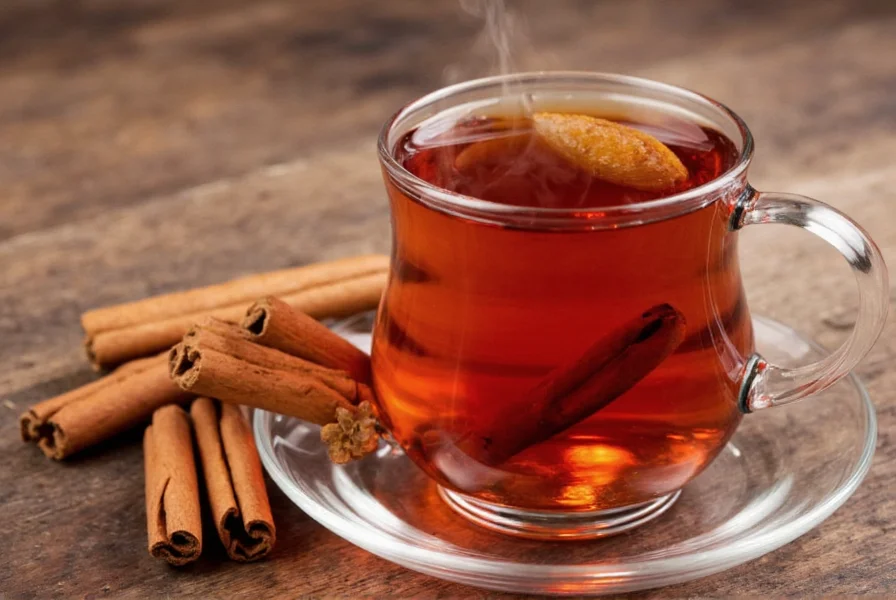
For centuries, cultures worldwide have turned to hot cinnamon spice tea as a comforting ritual and natural remedy. This simple yet sophisticated beverage combines the sweet warmth of cinnamon with complementary spices to create a drink that's both flavorful and potentially beneficial for wellness. Unlike many commercial blends, authentic hot cinnamon spice tea relies on whole spices rather than artificial flavors, allowing the natural compounds to infuse slowly into the water.
Core Ingredients and Their Properties
Understanding what makes hot cinnamon spice tea special begins with its fundamental components. Ceylon cinnamon (Cinnamomum verum), often called "true cinnamon," differs from the more common Cassia variety with its delicate flavor and lower coumarin content. When preparing homemade cinnamon spice tea, the quality of your base ingredients directly impacts both flavor and potential benefits.
| Spice | Traditional Use | Active Compounds |
|---|---|---|
| Cinnamon | Warming circulation, digestion | Cinnamaldehyde, Eugenol |
| Ginger | Nausea relief, anti-inflammatory | Gingerols, Shogaols |
| Cardamom | Digestive aid, breath freshener | Terpenes, Cineole |
| Cloves | Toothache relief, antioxidant | Eugenol, Caryophyllene |
Traditional Preparation Methods
How to make hot cinnamon spice tea at home properly requires attention to timing and technique. Unlike tea bags that steep in minutes, authentic spiced tea benefits from slow extraction. For optimal flavor development when preparing traditional cinnamon spice tea recipe, simmer whole spices for 10-15 minutes rather than boiling vigorously, which can make the drink bitter. Many Ayurvedic practitioners recommend adding spices to cold water and bringing them to a gentle simmer together for maximum compound extraction.
For those wondering when to drink cinnamon spice tea, many cultures traditionally enjoy it after meals to aid digestion or in the evening for its calming properties. The best spices to add to cinnamon tea depend on your purpose—add ginger for morning energy, cardamom for after-dinner digestion, or cloves for respiratory support during colder months.
Cultural Variations Across Regions
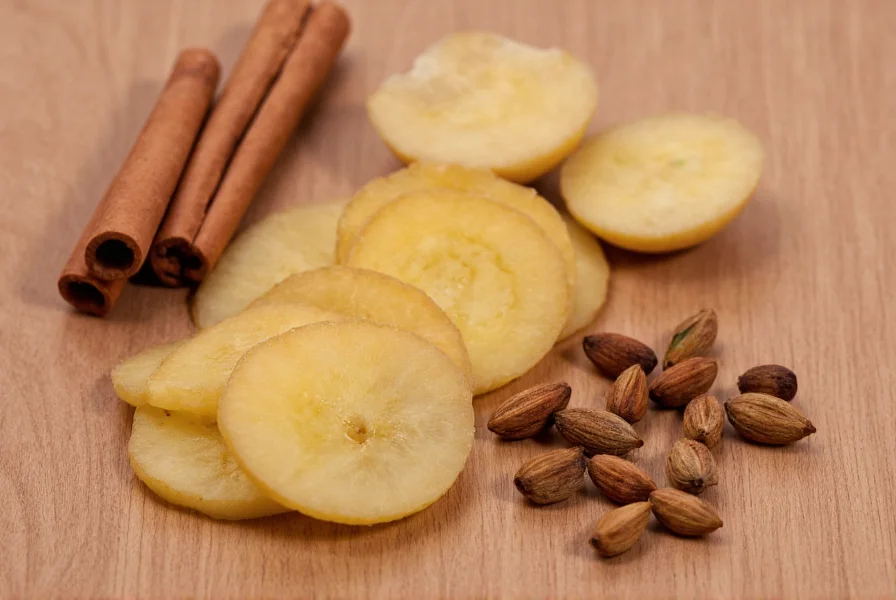
Hot cinnamon spice tea manifests differently across global traditions. In Mexico, te de canela often includes orange peel and piloncillo sugar. Middle Eastern versions might incorporate rosewater or star anise. Scandinavian glögg takes the concept further with wine and almonds. Each variation reflects local ingredients and traditional wisdom about spice combinations.
One particularly interesting variation is the Ayurvedic approach to spiced tea, which carefully balances spices according to dosha types. Vata types might enjoy extra ginger and black pepper, while Pitta types benefit from cooling cardamom and reduced cinnamon. This personalized approach to homemade spiced tea without sugar demonstrates how ancient traditions understood the importance of tailoring wellness practices to individual needs.
Historical Evolution Timeline
The documented journey of cinnamon spice tea reveals centuries of cross-cultural adaptation. Verified historical milestones demonstrate how trade routes and scientific understanding transformed this beverage from luxury commodity to wellness staple:
| Era | Key Development | Verification Source |
|---|---|---|
| 1550 BCE | Egyptian medical texts (Ebers Papyrus) document cinnamon's use in embalming and medicinal preparations, indicating established trade with Sri Lanka | National Center for Biotechnology Information (2015) |
| 1st Century CE | Roman scholar Pliny the Elder records cinnamon's exorbitant value in Natural History, noting it required protective convoys due to pirate threats on spice routes | University of Chicago Perseus Project |
| 1498-1658 CE | Portuguese and Dutch colonial powers establish monopolies on Ceylon cinnamon production, making spiced teas a European aristocratic status symbol | Metropolitan Museum of Art Archives |
| 2007-Present | Peer-reviewed clinical trials (e.g., Diabetes Care) validate modest metabolic effects, shifting perception from folklore to evidence-informed wellness practice | American Diabetes Association (2010) |
Contextual Considerations and Limitations
While hot cinnamon spice tea offers potential wellness advantages, its efficacy and safety are highly context-dependent. Evidence-based boundaries clarify optimal usage scenarios and critical limitations:
| Usage Scenario | Recommended Application | Documented Limitations | Scientific Source |
|---|---|---|---|
| Daily wellness routine | 1-2 cups using Ceylon cinnamon for antioxidant support | Avoid Cassia cinnamon if consuming >2 cups daily; coumarin content exceeds EFSA's tolerable intake (0.1 mg/kg body weight) | European Food Safety Authority (2008) |
| Digestive support | Consume 30 minutes after heavy meals to stimulate enzymes | Not recommended for acute gastrointestinal distress; ineffective for chronic conditions like IBD without medical supervision | NIH Herbal Medicine Review (2021) |
| Blood sugar management | As complementary approach with balanced meals; monitor levels | Modest effects only (5-10% glucose reduction in studies); not replacement for diabetes medication | Diabetes Care (2010) |
These boundaries reflect current scientific consensus. Individual responses vary significantly based on health status, genetics, and preparation methods—demonstrating why personalized approaches outperform standardized recommendations.
Scientific Basis for Health Benefits
While not a medical treatment, regular consumption of hot cinnamon spice tea may offer several wellness advantages. Research suggests cinnamon tea for digestion can help stimulate digestive enzymes, while the combination of spices may support healthy blood sugar metabolism when consumed as part of a balanced diet. The antioxidants present in these spices work synergistically—a phenomenon known as the entourage effect—where the combined impact exceeds what each spice offers individually.
Optimal Brewing Techniques
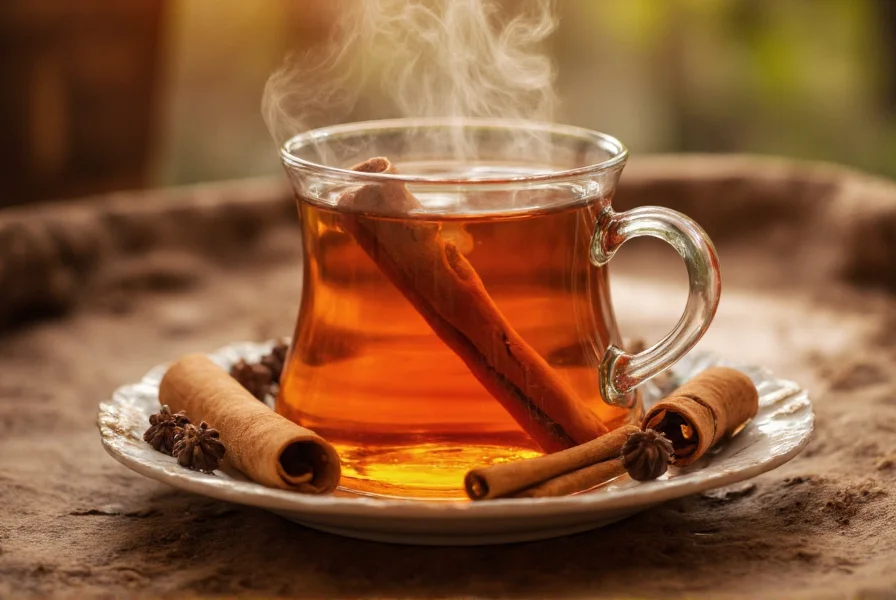
Mastering the art of brewing hot cinnamon spice tea requires understanding the different extraction rates of various spices. Hard spices like cinnamon sticks and cardamom pods need longer simmering times (10-15 minutes), while more delicate ingredients like fresh ginger or tea leaves require shorter steeping (3-5 minutes). For the most complex flavor profile in your traditional cinnamon spice tea recipe, add ingredients in stages according to their density.
Water quality significantly impacts the final product—use filtered water if your tap water has strong mineral flavors. The ideal water temperature for brewing spiced tea is just below boiling (around 200°F or 93°C), as boiling water can sometimes extract bitter compounds from certain spices. For those exploring how to make hot cinnamon spice tea at home without compromising flavor, consider using a small saucepan rather than a microwave for more controlled heating.
When and How to Enjoy
Timing matters when incorporating hot cinnamon spice tea into your routine. Many wellness traditions recommend drinking spiced tea 20-30 minutes before meals to prepare the digestive system, or 30-60 minutes after eating to support digestion. For those using cinnamon tea for digestion, the post-meal timing aligns with traditional practices across multiple cultures.
Unlike caffeinated beverages, authentic hot cinnamon spice tea (without added tea leaves) is naturally caffeine-free, making it suitable for evening consumption. Those seeking the benefits of cinnamon tea without disrupting sleep should opt for herbal versions without black or green tea. For maximum absorption of fat-soluble compounds, consider adding a small amount of healthy fat like coconut milk—this traditional preparation method enhances both flavor and potential nutrient uptake.




 浙公网安备
33010002000092号
浙公网安备
33010002000092号 浙B2-20120091-4