
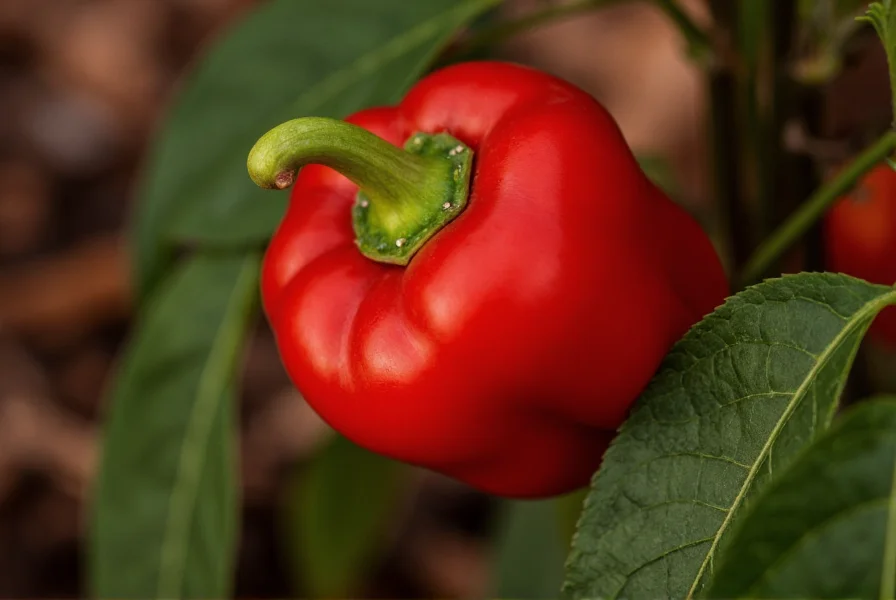
Understanding hot chilli peppers requires examining both their scientific properties and practical applications. The burning sensation they produce isn't actually a taste but a chemical reaction triggered by capsaicin binding to pain receptors in your mouth and skin. This compound evolved as a defense mechanism for the plant, deterring mammals from eating the fruit while allowing birds (which don't feel the burn) to disperse the seeds.
The Science Behind the Burn
Capsaicinoids, particularly capsaicin, activate TRPV1 receptors responsible for sensing heat and pain. When you eat a hot chilli pepper, your brain interprets this as actual heat, triggering physiological responses like sweating and endorphin release—the "chilli high" many enthusiasts seek. The Scoville Organoleptic Test, developed in 1912, originally measured heat through human tasters diluting pepper extract until the burn became undetectable. Modern high-performance liquid chromatography (HPLC) now provides precise measurements of capsaicinoid concentration, converted to Scoville Heat Units (SHU) for consumer understanding.
Historical Evolution of Heat Measurement and Breeding
Quantifying and cultivating heat has evolved through distinct technological and biological milestones. This timeline clarifies how measurement precision and pepper breeding have transformed culinary and scientific understanding:
- 1912: Wilbur Scoville develops the Organoleptic Test using human tasters, establishing the first standardized (though subjective) heat measurement system. (Chile Pepper Institute, New Mexico State University)
- 1980s: High-performance liquid chromatography (HPLC) replaces sensory testing as the industry standard, enabling objective capsaicin quantification and consistent breeding protocols. (National Center for Biotechnology Information)
- 2007: Bhut Jolokia (Ghost Pepper) certified as world's hottest at 855,000–1,041,427 SHU through HPLC verification, shifting focus to controlled breeding over wild varieties. (Guinness World Records)
- 2013: Carolina Reaper achieves 1.56 million SHU average via selective crossbreeding of Ghost Pepper and Red Habanero, demonstrating deliberate flavor-heat balancing. (Guinness World Records)
- 2020s: Breeders prioritize "flavor-forward" super-hots (e.g., Pepper X) with reduced delayed-burn effects, responding to culinary demand for complexity beyond pure heat.
Popular Hot Chilli Pepper Varieties
Pepper heat varies dramatically across hundreds of cultivated varieties. Understanding these differences helps home cooks and culinary professionals select appropriate peppers for specific dishes while managing heat levels effectively. The following table compares common hot chilli peppers by their heat range, flavor characteristics, and typical culinary applications:
| Pepper Variety | Scoville Heat Units | Flavor Profile | Common Culinary Uses |
|---|---|---|---|
| Jalapeño | 2,500–8,000 SHU | Grassy, bright, slightly vegetal | Salsas, nachos, poppers, pickled |
| Serrano | 10,000–23,000 SHU | Sharp, bright, more floral than jalapeño | Pico de gallo, hot sauces, guacamole |
| Habanero | 100,000–350,000 SHU | Fruity, citrusy, floral with intense heat | Caribbean sauces, hot sauces, marinades |
| Ghost Pepper (Bhut Jolokia) | 800,000–1,041,427 SHU | Smoky, sweet upfront with delayed intense burn | Extreme hot sauces, competitive eating |
| Carolina Reaper | 1,400,000–2,200,000 SHU | Fruity, sweet initially with overwhelming heat | Challenge sauces, specialty hot sauces |

Practical Handling and Culinary Applications
Working with hot chilli peppers requires proper technique to maximize flavor while minimizing discomfort. Always wear gloves when handling extremely hot varieties like ghost peppers or Carolina Reapers, as capsaicin can transfer to sensitive areas like eyes. Remove seeds and white membranes (placenta) for reduced heat, as these contain the highest concentration of capsaicin. When cooking with hot chilli peppers, add them early for integrated heat or later for brighter, more distinct pepper flavor.
Different cooking methods affect heat perception—roasting can mellow some peppers while drying concentrates capsaicin. Understanding how to balance heat with complementary flavors like acid (lime juice), sweetness (mango, pineapple), and fat (avocado, dairy) creates more complex and enjoyable dishes. For those exploring growing hot chilli peppers at home, most varieties require 70-100 days to maturity, full sun, and well-draining soil with consistent moisture.
Safety Considerations for Handling Extremely Hot Peppers
When working with super hot chilli pepper varieties, proper safety precautions prevent painful accidents. Always use nitrile gloves (latex won't protect against capsaicin) and avoid touching your face. Work in well-ventilated areas as capsaicin becomes airborne when cutting peppers. If you experience burning skin, wash with soap and water, then apply milk or oil-based products—water spreads capsaicin rather than removing it.
Contextual Limitations: When Hot Peppers Are Unsuitable
Capsaicin's effects vary significantly across physiological and culinary contexts, creating critical boundaries for safe application:
- Medical Contraindications: Individuals with irritable bowel syndrome (IBS) or gastroesophageal reflux disease (GERD) should strictly limit capsaicin intake. The American College of Gastroenterology confirms spicy foods exacerbate symptoms in 65% of IBS patients by stimulating intestinal contractions. (American College of Gastroenterology)
- Culinary Thresholds: Peppers exceeding 350,000 SHU (e.g., Ghost Pepper+) are incompatible with delicate dishes like consommé or poached fish, where heat overwhelms subtlety. They function best in applications allowing precise dosing (e.g., hot sauces) or where heat integrates with bold flavors (chili con carne).
- Physiological Variability: Genetic differences in TRPV1 receptor density cause 15-20% of populations to perceive standard SHU ratings as 2-3x hotter. This necessitates personalized heat testing—never assume universal tolerance. (National Center for Biotechnology Information)
For mouth burn relief, dairy products containing casein (milk, yogurt) effectively break down capsaicin molecules. Sugar, honey, or starchy foods like bread can also provide temporary relief by coating the receptors. Never use alcohol for relief as it spreads capsaicin rather than neutralizing it. Understanding these hot chilli pepper safety tips ensures enjoyable culinary experimentation without unnecessary discomfort.
Nutritional Benefits and Considerations
Hot chilli peppers offer significant nutritional value beyond their heat. They're excellent sources of vitamins A and C, with one jalapeño providing approximately 9% of your daily vitamin C needs. Capsaicin shows potential health benefits including metabolism boost, pain relief properties, and anti-inflammatory effects, with clinical trials indicating 50-100mg doses may increase energy expenditure by 4-5% for 3+ hours. (National Center for Biotechnology Information) However, individuals with gastrointestinal sensitivities should moderate consumption, as excessive amounts can trigger heartburn or digestive discomfort.
The compound capsaicin has been studied for potential therapeutic applications, including topical pain relief creams and weight management supplements. When incorporating hot chilli peppers into healthy diets, start with milder varieties and gradually increase heat tolerance. Remember that individual sensitivity varies significantly—what's mild for one person might be extremely hot for another.




 浙公网安备
33010002000092号
浙公网安备
33010002000092号 浙B2-20120091-4