

Planning Your Visit to Honey Run Waterfall
When planning your trip to Honey Run Waterfall, understanding the practical details makes all the difference between a good hike and an exceptional experience. Located in the heart of Ricketts Glen State Park, this waterfall sits along Kitchen Creek as it makes its way through the Glens Natural Area, which the National Park Service recognizes as one of the finest examples of a deep gorge glen in the eastern United States.
Location and Access Details
Nestled within the 13,050-acre Ricketts Glen State Park near Red Rock, Pennsylvania, Honey Run Waterfall sits approximately 3.6 miles along the Falls Trail Loop. The most common starting point is the Lake Jean Day Use Area parking lot (41.1737° N, 76.1512° W), which provides direct access to the trailhead. From Williamsport, take PA-118 south for about 25 miles to reach the park entrance.
Visitors should note that the Falls Trail requires moderate hiking ability with some rocky terrain and occasional steep sections. The Pennsylvania Department of Conservation and Natural Resources (DCNR) maintains the trail with clear signage, but proper footwear is essential, especially after rainfall when rocks become slippery near the waterfall.
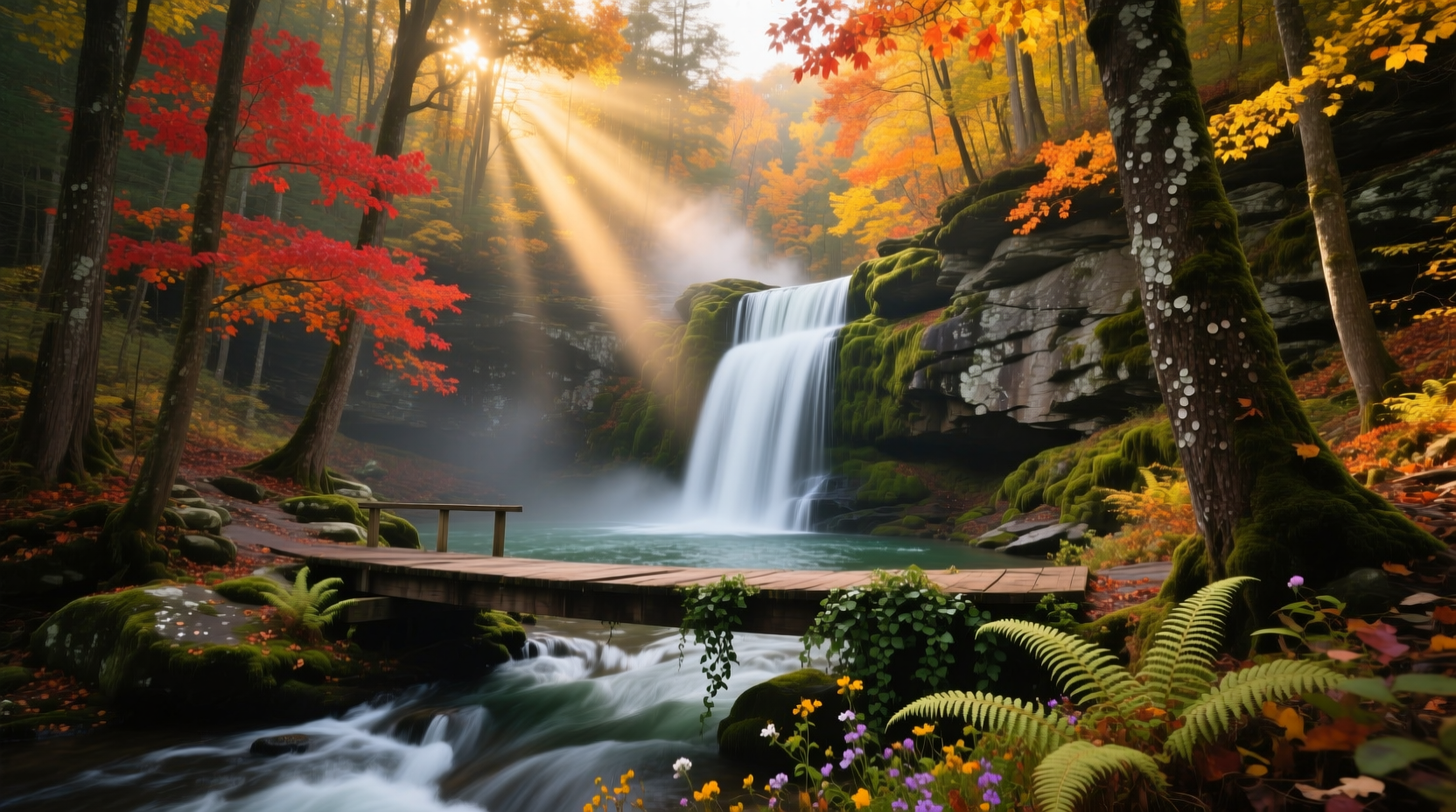
Understanding Honey Run Waterfall's Characteristics
Honey Run Waterfall features a graceful 30-foot drop where Kitchen Creek flows over resistant sandstone bedrock before continuing its journey through the glen. Unlike some seasonal waterfalls in the region, Honey Run maintains consistent flow throughout the year, though volume varies significantly by season:
| Season | Water Flow | Visitor Experience |
|---|---|---|
| Spring (April-May) | Peak flow from snowmelt | Most dramatic appearance, but trail can be muddy |
| Summer (June-August) | Moderate flow | Warm temperatures, but busiest season |
| Fall (September-October) | Steady flow | Beautiful foliage, ideal hiking conditions |
| Winter (November-March) | Reduced flow, partial freezing | Fewer visitors, potential ice formations |
According to geological surveys from the Pennsylvania Geological Survey, the waterfall's formation dates back to the last glacial period, with the current landscape shaped over 10,000 years. The distinctive sandstone layers visible at Honey Run tell a story of ancient seabeds that once covered this region.
Optimal Timing for Your Visit
For the best experience at Honey Run Waterfall, timing matters more than many visitors realize. While the waterfall flows year-round, the ideal conditions depend on what you're seeking:
- Photographers should visit early morning on weekdays during fall foliage season (late October) when light filters beautifully through the canopy
- Hikers seeking solitude will find mid-week visits in late spring or early fall provide the quietest experience
- Families should consider visiting between 10 AM and 2 PM during summer months when rangers are typically available along the trail
The DCNR reports that trail congestion peaks between 12-2 PM on weekends from June through September, with visitor counts reaching up to 500 people per day during peak season. For a more peaceful experience, arrive when the park opens at 8 AM or visit later in the afternoon.
Safety Considerations and Visitor Guidelines
Safety at Honey Run Waterfall requires attention to several important factors. The Pennsylvania DCNR has documented multiple incidents where visitors have slipped on wet rocks near the waterfall's base. To ensure your safety:
- Stay on marked trails at all times - the terrain near the waterfall becomes extremely slippery
- Avoid climbing on rocks near the waterfall, especially after rainfall
- Never swim in Kitchen Creek near the waterfall due to unpredictable currents
- Carry at least 2 liters of water per person, as none is available along the trail
During periods of heavy rain, the DCNR may temporarily close sections of the Falls Trail due to flash flood risks. Check the official park website for current trail conditions before your visit.
Nearby Attractions and Complete Experience
Honey Run Waterfall serves as one highlight among 21 waterfalls along the Falls Trail, but several other nearby attractions enhance your visit:
- Ganoga Falls - The tallest waterfall in the park at 94 feet, located just 0.4 miles further along the trail
- Waters Meet - The dramatic confluence of Kitchen Creek and Ganoga Glen where two glens join
- Lake Jean - A 165-acre lake perfect for swimming, fishing, or canoeing after your hike
- Butler Lake - Offers additional hiking options with less crowded trails
Many experienced hikers complete the full 7.2-mile Falls Trail Loop, which takes approximately 4-5 hours at a moderate pace. For those seeking a shorter experience, the 3.2-mile out-and-back route to Waters Meet provides access to Honey Run and several other impressive waterfalls.
Conservation Efforts and Visitor Responsibility
Ricketts Glen State Park represents one of Pennsylvania's last remaining old-growth forests, with some trees dating back over 500 years. The DCNR has implemented several conservation measures to protect this fragile ecosystem:
- Strict adherence to Leave No Trace principles is required
- Dogs must remain on leashes at all times to protect wildlife
- Camping is only permitted in designated areas away from the glens
- Collection of any natural materials is prohibited
Visitors play a crucial role in preserving this natural treasure. By staying on trails, packing out all trash, and respecting wildlife, you help ensure future generations can enjoy Honey Run Waterfall in its pristine condition.




 浙公网安备
33010002000092号
浙公网安备
33010002000092号 浙B2-20120091-4