
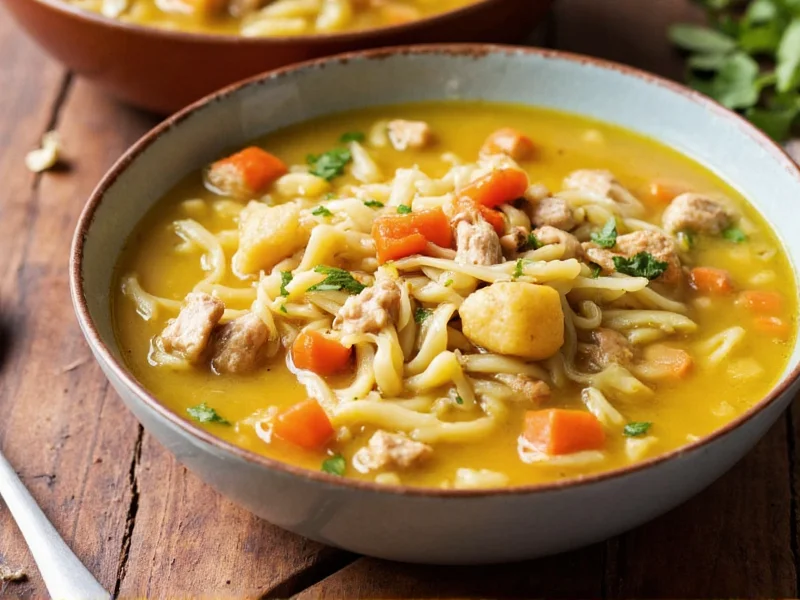
Nothing compares to a steaming bowl of genuine homestyle chicken noodle soup when you need comfort or relief from a cold. This timeless recipe has nourished generations with its simple yet profound flavors. Creating truly authentic homestyle chicken noodle soup requires understanding the essential techniques that transform basic ingredients into something extraordinary.
What Makes Soup Truly “Homestyle”
The term “homestyle” refers to soup prepared using traditional methods passed down through generations, not mass-produced with artificial ingredients. Authentic homestyle chicken noodle soup features:
- A rich, golden broth developed through slow simmering of chicken bones
- Fresh vegetables cut by hand, not pre-packaged mixes
- Real egg noodles added at the perfect moment
- No artificial flavors, MSG, or preservatives
- Visible herbs and seasonings you can recognize
Many commercial versions fail to capture the soul of genuine homemade chicken noodle soup. They often use artificial chicken flavoring, sodium-heavy broth bases, and overcooked noodles that turn mushy. The difference between authentic homestyle chicken noodle soup and store-bought versions becomes immediately apparent in both aroma and taste.
Essential Ingredients for Authentic Flavor
The magic of traditional chicken noodle soup comes from quality ingredients combined with proper technique. Here's what you need for a genuinely comforting batch:
| Ingredient | Why It Matters | Homestyle Tip |
|---|---|---|
| Whole chicken or bone-in pieces | Creates rich collagen and flavor | Use a mix of wings, backs, and thighs for best broth |
| Fresh mirepoix (carrots, celery, onion) | Foundation of flavor without artificial enhancers | Cut uniformly for even cooking |
| Homemade egg noodles | Fresher texture that holds shape | Add during final 8-10 minutes of cooking |
| Fresh parsley and thyme | Complex herbal notes | Add parsley at the end for bright flavor |
| Bay leaves | Subtle depth without overpowering | Remove before serving |
Step-by-Step Preparation Guide
Creating authentic homestyle chicken noodle soup requires patience and attention to detail. Follow these steps for the best results:
Broth Development (The Critical First Step)
The foundation of exceptional homemade chicken noodle soup is a properly developed broth. Many home cooks rush this step, but taking time here makes all the difference. Place 3-4 pounds of bone-in chicken pieces in a large stockpot with cold water (never hot, as this clouds the broth). Add 1 chopped onion, 2 celery ribs with leaves, and 2 carrots. Bring to a gentle simmer – never a rolling boil – and skim foam regularly during the first 20 minutes. Simmer uncovered for 2-3 hours, allowing flavors to concentrate.
Vegetable Addition Timing
Adding vegetables at the right moment preserves their texture and flavor. After removing the chicken and straining the broth, return 8 cups of clear broth to the pot. Add diced carrots and celery first, simmering for 15 minutes before adding softer vegetables like peas or green beans. This technique prevents overcooking and maintains distinct vegetable textures in your comforting chicken noodle soup.
Noodle Perfection
One of the most common mistakes in making homemade chicken noodle soup is adding noodles too early. Egg noodles continue cooking in the hot broth even after removal from heat. For perfect texture in your traditional chicken noodle soup, add noodles during the final 8-10 minutes of cooking. If planning to store leftovers, cook noodles separately and add to individual servings to prevent mushiness.
Avoiding Common Homestyle Soup Mistakes
Even experienced cooks make these errors when attempting to make authentic homestyle chicken noodle soup:
- Boiling instead of simmering – Vigorous boiling makes broth cloudy and can make chicken tough
- Over-seasoning early – Salt concentration increases as broth reduces; season at the end
- Using pre-cooked chicken – Raw chicken creates superior flavor and texture
- Adding all vegetables at once – Different vegetables require different cooking times
- Using dried herbs exclusively – Fresh herbs added at the end provide brighter flavor
Variations for Different Dietary Needs
Traditional chicken noodle soup can be adapted while maintaining its homestyle character:
- Gluten-free: Substitute rice noodles or gluten-free pasta, adding during the last 5-7 minutes
- Low-sodium: Use unsalted broth and enhance flavor with extra herbs, lemon zest, and garlic
- Extra protein: Add shredded cooked chicken at the end rather than simmering it throughout
- Vegetable-packed: Include additional seasonal vegetables like zucchini or spinach
Storage and Reheating for Maximum Flavor
Proper storage maintains the quality of your homemade chicken noodle soup. Cool soup completely before refrigerating in airtight containers. For best results when reheating authentic homestyle chicken noodle soup:
- Reheat gently over medium-low heat, never boiling
- Add a splash of water or broth if soup has thickened
- Stir in fresh parsley after reheating for vibrant flavor
- Store noodles separately if planning to freeze
Interestingly, many find that homemade chicken noodle soup tastes even better the second day as flavors continue to meld. This characteristic is one of the hallmarks of genuine homestyle preparation versus instant versions.
The Science Behind Soup's Comforting Power
Research shows that chicken soup's reputation as a cold remedy isn't just folklore. The steam helps clear nasal passages, while the warm liquid soothes sore throats. More significantly, studies have found that chicken soup may have mild anti-inflammatory properties that help reduce congestion. The combination of vegetables provides vitamins and minerals that support the immune system, making authentic homestyle chicken noodle soup both comforting and potentially beneficial when you're feeling under the weather.
FAQ: Homestyle Chicken Noodle Soup
What's the difference between homestyle and regular chicken noodle soup?
Homestyle chicken noodle soup is made from scratch with fresh ingredients and slow-simmered broth, while regular versions often use artificial flavors, sodium-heavy bases, and pre-cooked components. Authentic homestyle soup features visible herbs and recognizable ingredients without preservatives or MSG.
How long should I simmer chicken noodle soup for best flavor?
For optimal flavor development in authentic homestyle chicken noodle soup, simmer the broth for 2-3 hours. This slow process extracts collagen from bones, creating a rich, golden broth. However, once vegetables are added, limit additional simmering to 20-30 minutes to maintain their texture and nutritional value.
Can I make homestyle chicken noodle soup without broth base?
Absolutely. Authentic homestyle chicken noodle soup relies on simmering raw chicken bones and meat with vegetables to create natural broth. Avoid store-bought broth bases which often contain artificial flavors and high sodium. The slow simmering process develops complex flavors naturally through the Maillard reaction and collagen extraction.
Why does my homemade chicken noodle soup taste bland?
Bland homemade chicken noodle soup usually results from under-seasoning or improper timing of salt addition. Season in layers: add a small amount when simmering broth, then adjust after vegetables are cooked. Remember that flavors concentrate as liquid reduces, so it's better to under-season early and adjust at the end. Adding fresh herbs just before serving also boosts flavor significantly.
How do I prevent noodles from getting mushy in chicken soup?
To maintain perfect noodle texture in homemade chicken noodle soup, add them during the final 8-10 minutes of cooking. Alternatively, cook noodles separately and add to individual servings. If storing leftovers, keep noodles separate from broth and combine when reheating. Egg noodles continue cooking in hot liquid even after removal from heat, so timing is critical for ideal texture.




 浙公网安备
33010002000092号
浙公网安备
33010002000092号 浙B2-20120091-4