
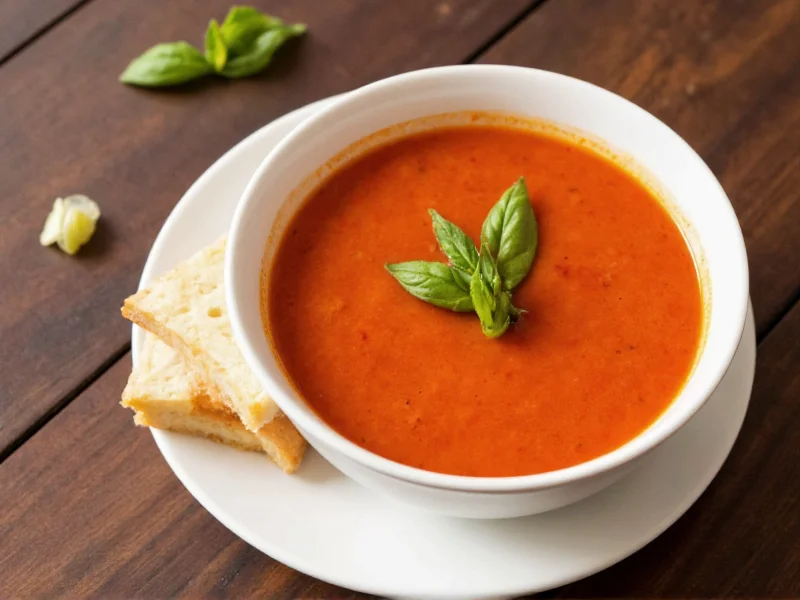
The perfect homemade tomato soup requires just 6 core ingredients: 2 lbs fresh ripe tomatoes (or 28 oz canned San Marzano), 1 onion, 2 cloves garlic, 2 tbsp olive oil, 4 cups vegetable broth, and fresh basil. Simmer for 30 minutes, blend until smooth, and season to taste. This simple recipe yields a rich, flavorful soup that beats any canned version, ready in under 45 minutes with minimal effort.
The Essential Guide to Making Exceptional Homemade Tomato Soup
Nothing compares to the vibrant flavor of homemade tomato soup made from scratch. Unlike store-bought varieties loaded with preservatives and excess sodium, a properly crafted tomato soup showcases the natural sweetness of tomatoes enhanced by aromatic vegetables and herbs. This guide provides everything you need to create restaurant-quality tomato soup in your own kitchen.
Why Fresh Ingredients Make All the Difference
The foundation of exceptional homemade tomato soup lies in ingredient quality. While canned tomatoes work well during off-season, summer-ripened tomatoes deliver unparalleled flavor. Look for varieties like Roma, San Marzano, or heirloom tomatoes which have the ideal balance of sweetness and acidity for soup.
When selecting ingredients for your easy homemade tomato soup recipe, remember:
- Tomatoes should feel heavy for their size with smooth, unblemished skin
- Onions should be firm with dry, papery skins
- Fresh garlic cloves should feel solid when squeezed
- Use extra virgin olive oil for the best flavor profile
Complete Ingredient Breakdown
| Ingredient | Quantity | Why It Matters |
|---|---|---|
| Fresh tomatoes or quality canned | 2 lbs or 28 oz | Provides the soup's base flavor and natural sweetness |
| Yellow onion | 1 medium | Adds depth and subtle sweetness when caramelized |
| Garlic | 2-3 cloves | Creates aromatic foundation without overpowering |
| Olive oil | 2 tbsp | Enhances flavor extraction and creates smooth texture |
| Vegetable broth | 4 cups | Provides balanced savory notes without meat flavors |
| Fresh basil | 1/4 cup chopped | Adds bright herbal notes that complement tomatoes |
Step-by-Step Preparation Guide
Follow these steps for the best homemade tomato soup from scratch:
- Sauté aromatics: Heat olive oil over medium heat. Add diced onion and cook until translucent (5-7 minutes). Add minced garlic and cook for 1 minute until fragrant.
- Add tomatoes: Stir in tomatoes (with their juices if using canned), breaking them up with a spoon.
- Simmer: Pour in vegetable broth, bring to a gentle boil, then reduce heat and simmer uncovered for 25-30 minutes.
- Blend: Carefully transfer to a blender (in batches if necessary) and blend until smooth. Alternatively, use an immersion blender directly in the pot.
- Final seasonings: Return to low heat, stir in fresh basil, and season with salt, pepper, and a pinch of sugar if needed to balance acidity.
Avoiding Common Homemade Tomato Soup Mistakes
Many home cooks encounter issues with their tomato soup recipe. Here's how to prevent the most frequent problems:
- Watery consistency: Simmer uncovered to reduce excess liquid. For thicker soup without cream, blend in a slice of bread or a small cooked potato.
- Too acidic: Add a pinch of sugar or 1/4 tsp baking soda to neutralize excess acidity while maintaining fresh tomato flavor.
- Bland taste: Properly season at the end after reducing. Underseasoned soup often results from adding salt too early before liquid reduction.
- Separation: Ensure thorough blending and avoid boiling after adding dairy if using.
Delicious Variations to Try
Once you've mastered the classic tomato basil soup recipe homemade, experiment with these popular variations:
- Creamy version: Stir in 1/2 cup heavy cream or coconut milk after blending for a luxurious texture
- Roasted tomato: Roast tomatoes, onions, and garlic at 400°F for 30 minutes before adding to broth for deeper flavor
- Spicy arrabbiata: Add 1/2 tsp red pepper flakes while sautéing aromatics
- Smoky tomato: Include 1/2 tsp smoked paprika or a few drops of liquid smoke
- Healthy vegan option: Use cashew cream instead of dairy for richness without animal products
Proper Storage and Reheating Techniques
Homemade tomato soup stores exceptionally well:
- Refrigeration: Cool completely and store in airtight containers for up to 5 days
- Freezing: Portion into freezer-safe containers with 1-inch headspace, good for 3 months
- Reheating: Warm gently over medium-low heat, stirring occasionally. Avoid boiling which can cause separation
- Reviving: If soup thickens too much after storage, add a splash of broth or water while reheating
Serving Suggestions for Maximum Enjoyment
Elevate your homemade tomato soup experience with these pairing ideas:
- Classic grilled cheese sandwich made with sourdough and sharp cheddar
- Freshly baked crusty bread or garlic bread for dipping
- A dollop of pesto or swirl of cream for visual appeal
- Croutons made from day-old bread for added texture
- A side salad with vinaigrette dressing for a complete meal
Frequently Asked Questions
Can I make tomato soup without canned tomatoes?
Yes, you can make delicious tomato soup using 2-3 pounds of fresh ripe tomatoes. Blanch them first to remove skins, then chop and use in place of canned tomatoes. You may need to simmer 5-10 minutes longer to achieve proper consistency as fresh tomatoes contain more water.
How do I thicken tomato soup naturally without cream?
Several natural thickening methods work well for healthy homemade tomato soup without cream: simmer uncovered to reduce liquid, blend in a slice of bread, add a small cooked potato, or incorporate cooked white beans. Each option adds thickness while enhancing nutrition without dairy.
Why does my homemade tomato soup taste bitter?
Bitterness usually comes from overcooked garlic or unbalanced acidity. To fix bitter tomato soup, add a pinch of sugar, 1/4 tsp baking soda, or a small amount of cream. Prevent bitterness by adding garlic later in the cooking process and properly balancing flavors at the end of preparation.
Can I freeze homemade tomato soup?
Absolutely. Cool the soup completely, then portion into freezer-safe containers with at least 1-inch headspace for expansion. Properly stored, homemade tomato soup maintains quality for 3 months in the freezer. Thaw overnight in the refrigerator before reheating gently on the stove.




 浙公网安备
33010002000092号
浙公网安备
33010002000092号 浙B2-20120091-4