
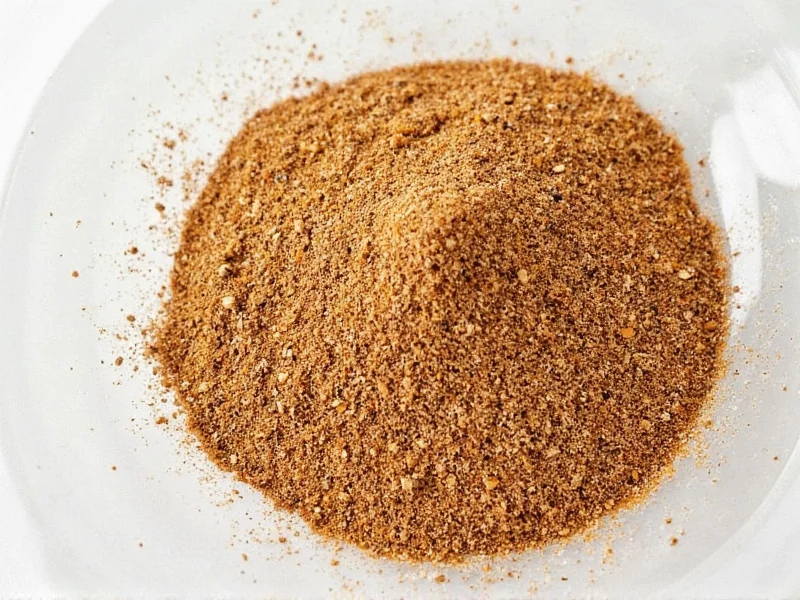
Creating your own poultry seasoning blend at home gives you complete control over ingredients, freshness, and flavor intensity. Unlike store-bought versions that often contain fillers and preservatives, a simple homemade poultry seasoning recipe lets you craft a pure, aromatic blend tailored to your taste preferences. This versatile spice mix enhances roasted chicken, turkey, stuffing, and gravy while avoiding unnecessary additives.
Why Make Your Own Poultry Seasoning?
Commercial poultry seasoning blends frequently include anti-caking agents, MSG, and excessive salt. When you prepare an easy homemade poultry seasoning recipe, you determine exactly what goes into your food. Freshly ground herbs provide significantly more vibrant flavor than pre-packaged alternatives that lose potency over time. The process takes just minutes but yields noticeably better results in your holiday roasts and everyday chicken dishes.
The Historical Evolution of Poultry Seasoning
Poultry seasoning has transformed from regional herb traditions to standardized commercial blends, reflecting broader shifts in food production and consumer preferences:
- Pre-1900s: Home cooks combined locally available herbs like sage and thyme based on regional traditions and seasonal availability, with no standardized recipes. Sage was particularly valued for its digestive properties with rich poultry dishes. (Source: USDA National Agricultural Library - The Story of Spices)
- Early 1900s: Commercial spice companies introduced pre-mixed blends, but formulations varied significantly between regional brands, typically containing only 2-3 core herbs.
- 1950s-1970s: National brands drove standardization, establishing the modern 6-7 herb profile while introducing anti-caking agents and salt for shelf stability.
- Contemporary Era: Current commercial blends often contain 30-50% non-herb ingredients (salt, MSG, silicon dioxide), fueling renewed interest in pure homemade versions.
Essential Homemade Poultry Seasoning Recipe
This balanced blend captures the classic flavor profile while allowing for customization:
| Ingredient | Measurement | Key Flavor Contribution |
|---|---|---|
| Dried thyme | 4 tablespoons | Earthy, slightly minty foundation |
| Dried sage | 4 tablespoons | Warm, slightly peppery essential note |
| Dried rosemary | 2 tablespoons | Pine-like aroma and robust character |
| Dried marjoram | 2 tablespoons | Sweet, floral complexity |
| Dried basil | 1 tablespoon | Subtle sweetness and depth |
| Freshly ground black pepper | 1 tablespoon | Warm heat and pungency |
| Onion powder | 1 tablespoon | Umami depth and savory balance |
Step-by-Step Preparation Guide
- Measure all dried herbs and spices using standard measuring spoons
- Place ingredients in a small mixing bowl
- Whisk thoroughly for 1-2 minutes to ensure even distribution
- Transfer to an airtight glass container away from light and heat
- Label with date and contents
Understanding Each Ingredient's Role
Thyme provides the earthy backbone that defines traditional poultry seasoning. Sage delivers that distinctive warm, slightly peppery note essential for Thanksgiving flavors. Rosemary adds complexity with its pine-like aroma, while marjoram contributes subtle floral sweetness. Basil rounds out the blend with additional depth, and black pepper provides necessary heat without overwhelming. Onion powder enhances savory notes without adding moisture that could degrade dried herbs.
Customizing Your Homemade Poultry Seasoning
One significant advantage of making your own poultry seasoning from scratch is customization. Try these variations:
- Lemon-herb version: Add 1 tablespoon dried lemon zest for brighter flavor
- Spicy blend: Include 1-2 teaspoons cayenne pepper for heat
- Smoky variation: Substitute 1 tablespoon smoked paprika for some pepper
- Low-sodium option: Omit added salt (commercial blends often contain sodium)
- Fresh herb alternative: Use triple the amount of fresh herbs if available
Usage Guidelines: Best Practices and Contextual Limitations
For optimal flavor when using your homemade poultry seasoning for roasting chicken, apply generously under the skin and over the surface 1-2 hours before cooking. When seasoning ground poultry, use 1-2 teaspoons per pound of meat. Add to stuffing mixtures at a rate of 1-2 tablespoons per 4 cups of bread cubes. For gravy, incorporate 1 teaspoon at a time until desired flavor is achieved.
Culinary science reveals specific contexts where this blend performs optimally and where limitations apply:
| Scenario | Recommended Application | Documented Limitations |
|---|---|---|
| Roasting whole poultry | Apply under skin 1-2 hours pre-roasting | Not suitable for sous vide (requires moisture for herb rehydration) |
| Stuffing/dressing | 1-2 tbsp per 4 cups bread cubes | Loses complexity if added to raw stuffing stored >24 hours refrigerated |
| Gravy/sauces | Add during simmering phase | Ineffective in cold preparations (dried herbs won't rehydrate) |
| Ground poultry dishes | 1-2 tsp per pound of meat | Risks burning in high-heat stir-fries without liquid base |
These usage parameters align with documented principles of dried herb functionality in culinary applications. (Source: University of Minnesota Extension - Drying Herbs and Seasonings)
Storage Recommendations
Store your DIY poultry seasoning without MSG in an airtight container away from direct light and heat sources. Properly stored, it maintains peak flavor for 4-6 months. Avoid storing near the stove or oven where temperature fluctuations occur. Check potency by rubbing a small amount between your fingers and smelling—if the aroma is weak, it's time to make a fresh batch. Never store in the refrigerator as moisture will degrade quality.
Troubleshooting Common Issues
If your homemade poultry seasoning tastes bitter, you likely used too much rosemary or old, degraded herbs. For bland seasoning, increase the proportion of thyme and sage. If the blend lacks complexity, add more marjoram and basil. Remember that dried herbs need time to rehydrate in cooking liquids—add them early in the cooking process for best results in soups and stews.




 浙公网安备
33010002000092号
浙公网安备
33010002000092号 浙B2-20120091-4