
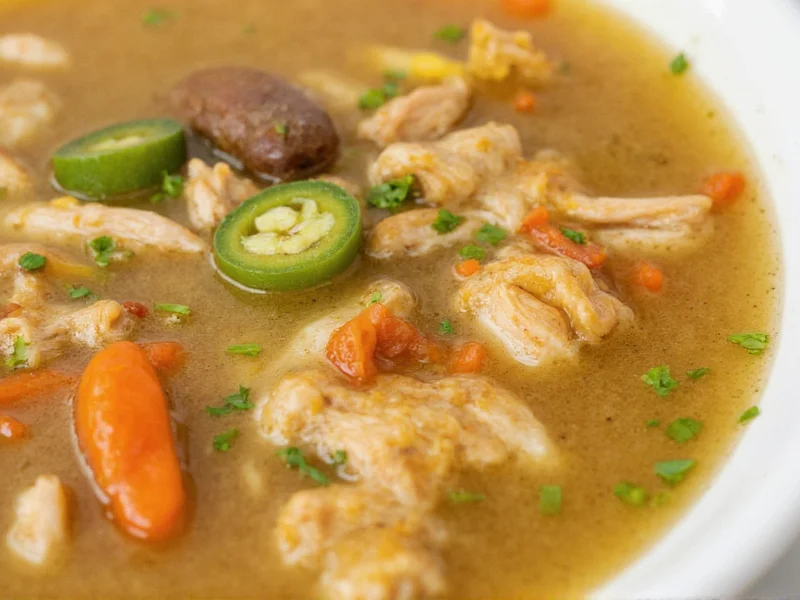
The Timeless Appeal of Homemade Chicken Soup
For generations, homemade chicken soup has been cherished as both comfort food and natural remedy. Unlike canned varieties filled with preservatives and excessive sodium, authentic homemade chicken soup delivers pure flavor and genuine nourishment. The process of simmering bones creates collagen-rich broth that supports gut health and immune function—a benefit completely lost in commercial production.
Essential Ingredients for Authentic Flavor
The magic of exceptional chicken soup begins with quality ingredients. While recipes vary across cultures, certain elements remain universal:
- Chicken bones with meat - Preferably from a whole chicken or soup bones
- Aromatic vegetables - The "holy trinity" of onions, carrots, and celery
- Fresh herbs - Parsley, thyme, and bay leaves add depth
- Seasoning - Just salt and pepper to enhance natural flavors
- Acid component - A splash of apple cider vinegar helps extract minerals from bones
| Ingredient | Homemade Soup | Store-Bought Soup |
|---|---|---|
| Sodium Content | Controlled to taste (typically 300-400mg/serving) | Often 800-1200mg/serving |
| Preservatives | None | Common (MSG, autolyzed yeast, etc.) |
| Nutrient Density | High in collagen, gelatin, minerals | Significantly reduced nutrients |
| Flavor Complexity | Rich, layered, customizable | Standardized, often one-dimensional |
Step-by-Step Preparation Guide
Creating exceptional homemade chicken soup requires patience but minimal effort. Follow these professional techniques for restaurant-quality results:
Building Flavor Foundations
Begin by roasting chicken bones at 400°F for 30 minutes until golden brown. This Maillard reaction creates complex flavor compounds that boiling alone cannot achieve. Transfer bones to a large stockpot, covering with cold water by two inches. Add one tablespoon of apple cider vinegar to help extract minerals from the bones.
The Simmering Process
Bring to a gentle simmer (not a rolling boil) and maintain for 3-4 hours. Skim foam regularly during the first hour to ensure a clear broth. After two hours, add coarsely chopped vegetables and herbs. Continue simmering until vegetables are tender but not disintegrated.
Final Assembly
Strain the broth through a fine-mesh sieve, pressing gently on solids to extract all liquid. Remove meat from bones, discarding skin and fat. Return shredded chicken to the strained broth with fresh diced vegetables if desired. Season carefully with sea salt and freshly ground pepper. For classic chicken noodle soup, add cooked egg noodles just before serving.
Advanced Techniques for Exceptional Results
Professional chefs employ several methods to elevate homemade chicken soup beyond basic recipes:
- Double-straining - First through coarse mesh, then through cheesecloth for crystal-clear broth
- Concentration - Reducing broth by 25% intensifies flavor without additional salt
- Layered seasoning - Adding herbs at different stages creates complex flavor profiles
- Fat clarification - Chilling broth allows easy removal of solidified fat for cleaner taste
Health Benefits Backed by Tradition and Science
Grandmothers have prescribed chicken soup for illness for centuries, and modern research confirms its therapeutic properties. The amino acid cysteine in chicken broth helps thin mucus, while the warm liquid soothes irritated membranes. Homemade versions contain significantly more nutrients than commercial alternatives, including:
- Gelatin that supports gut lining integrity
- Minerals like calcium, magnesium, and phosphorus extracted from bones
- Collagen that benefits skin, hair, and joint health
- Natural electrolytes that aid hydration
Storage and Reheating Best Practices
Proper storage maintains quality and safety. Cool soup rapidly by placing the pot in an ice bath, then transfer to airtight containers. Refrigerated soup stays fresh for 4-5 days, while frozen portions maintain quality for 4-6 months. When reheating, bring to a gentle simmer but avoid boiling vigorously, which can make the broth cloudy and alter texture.
Troubleshooting Common Issues
Even experienced cooks encounter challenges with homemade chicken soup. Here's how to address frequent problems:
- Bland flavor - Underseasoned or insufficient simmering time; remedy by reducing broth or adding umami boosters like dried mushrooms
- Cloudy broth - Boiling too vigorously or inadequate straining; prevent by maintaining gentle simmer and double-straining
- Bitter taste - Overcooked vegetables or burnt bones; avoid by monitoring heat and removing vegetables after 1 hour
- Excess fat - Inadequate skimming; solve by chilling and removing solidified fat before reheating
Regional Variations Worth Exploring
Cultures worldwide have developed distinctive chicken soup traditions. While the classic American version features egg noodles, other notable variations include:
- Matzo ball soup - Jewish tradition with dumplings made from matzo meal
- Tortilla soup - Mexican version with crispy tortilla strips and avocado
- Chicken and rice soup - Asian interpretation with ginger and rice noodles
- Avgolemono - Greek lemon-egg thickened soup with distinctive tang
Frequently Asked Questions
How long should I simmer chicken soup for optimal flavor?
For maximum flavor extraction, simmer chicken soup for 3-4 hours. The first 2 hours develop the broth base, while the final hour incorporates vegetable flavors. Avoid boiling vigorously, as this makes the broth cloudy. For bone broth with higher collagen content, extend to 12-24 hours with periodic water replenishment.
Can I make authentic chicken soup without a whole chicken?
Yes, you can create excellent homemade chicken soup using just chicken bones or wings. Soup bones from the butcher provide ample collagen. For quicker preparation, use 2-3 pounds of chicken backs or wings with 8 cups of water. The key is maintaining a gentle simmer to extract maximum flavor without making the broth cloudy.
Why does my homemade chicken soup taste different from restaurant versions?
Restaurant soups often use concentrated bases or additional flavor enhancers. To achieve similar depth at home, try roasting bones first, using a combination of chicken parts (including feet for extra collagen), and adding a small amount of dried mushrooms for umami. Professional kitchens also reduce broth to intensify flavor—simmer your strained broth uncovered until reduced by 25%.
What's the best way to store homemade chicken soup for long-term use?
For optimal long-term storage, cool soup rapidly in an ice bath, then portion into airtight containers leaving 1-inch headspace. Freeze for up to 6 months. For even better results, freeze broth in ice cube trays first, then transfer cubes to freezer bags. This allows you to thaw precise amounts as needed. Always label containers with date and contents.
How can I make my chicken soup more nutritious?
Boost nutritional value by adding extra vegetables like kale or spinach during the last 10 minutes of cooking. Include garlic for immune support and turmeric for anti-inflammatory benefits. Using organic bones ensures cleaner broth, and adding a splash of vinegar helps extract more minerals from bones. For extra protein, include cooked lentils or chickpeas when serving.




 浙公网安备
33010002000092号
浙公网安备
33010002000092号 浙B2-20120091-4