
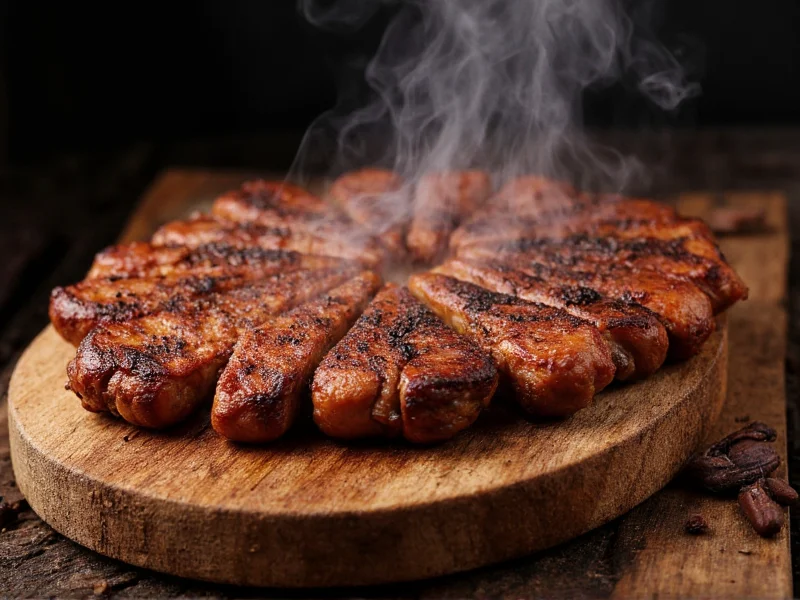
Hickory smoking has been a cornerstone of American barbecue traditions for centuries, particularly in the Southern and Midwestern regions. The distinctive flavor profile comes from the chemical compounds released when hickory wood burns, including guaiacol and syringol, which create that signature smoky aroma and taste.
Understanding Hickory Wood Characteristics
Hickory is a dense hardwood that burns hot and long, making it ideal for smoking. Unlike softer woods that burn quickly and produce more ash, hickory maintains a steady temperature and imparts consistent flavor throughout the cooking process. There are several varieties of hickory wood used for smoking:
- Shagbark hickory: Offers a classic, robust smoky flavor
- Shellbark hickory: Slightly milder than shagbark
- Pecan hickory: A hybrid that provides a more subtle, nutty flavor
- Water hickory: Stronger, more bitter notes (less commonly used)
Properly seasoned hickory wood (dried for at least 6-12 months) produces the best results. Green or unseasoned wood creates excessive smoke that can make food taste bitter rather than flavorful.
Hickory Smoked Flavor Profile Analysis
The flavor profile of hickory smoked foods features:
- Primary notes: Strong, bacon-like, robust
- Secondary notes: Slightly sweet, nutty undertones
- Intensity: Medium-strong (more intense than apple or cherry, less than mesquite)
- Color impact: Deep mahogany to reddish-brown bark
When used appropriately, hickory creates that quintessential barbecue flavor many associate with traditional American smoked meats. The key is balance—too much hickory can overwhelm the food with bitterness, while the right amount creates that perfect smoky depth.
| Smoking Wood | Flavor Intensity | Flavor Profile | Best For |
|---|---|---|---|
| Hickory | Medium-Strong | Bacon-like, robust, slightly sweet | Pork, beef, poultry |
| Mesquite | Strong | Earthy, intense, slightly bitter | Beef, game meats |
| Apple | Mild | Sweet, fruity, delicate | Poultry, pork, fish |
| Cherry | Mild-Medium | Sweet, fruity, subtle | Poultry, pork, game birds |
| Oak | Medium | Neutral, clean smoke | All meats, especially for long smokes |
Best Foods for Hickory Smoking
Certain foods particularly benefit from hickory's distinctive flavor profile:
Pork Products
Hickory smoked pork shoulder (Boston butt), ribs, and bacon represent classic pairings. The wood's robust flavor complements pork's natural richness without overwhelming it. Traditional Southern barbecue relies heavily on hickory for pulled pork and ribs.
Beef Cuts
Brisket achieves exceptional results with hickory smoking, developing that characteristic bark and smoke ring. The wood's intensity stands up well to beef's strong flavor. Many Texas-style barbecue pits use primarily hickory or hickory-oak combinations for brisket.
Poultry Applications
While stronger woods can overwhelm poultry, hickory works well for chicken thighs, wings, and whole chickens when used in moderation. Combining hickory with milder woods like apple creates a balanced flavor profile for smoked turkey and chicken.
Other Applications
Cheese, nuts, and even certain vegetables can benefit from subtle hickory smoking. Artisanal producers often use hickory for smoked gouda and cheddar cheeses, creating complex flavor profiles that appeal to gourmet food enthusiasts.
Mastering Hickory Smoking Techniques
Successful hickory smoking requires attention to several key factors:
Wood Preparation
Properly seasoned hickory logs or chunks (dried for 6-12 months) produce the best results. Avoid green wood, which creates excessive smoke and bitter flavors. Many pitmasters recommend splitting hickory into chunks about the size of a fist for consistent burning.
Temperature Control
Maintain a steady smoking temperature between 225-250°F (107-121°C) for most meats. Hickory burns hot, so monitor your smoker closely. For longer smokes (like brisket), consider combining hickory with milder woods like oak to prevent overpowering the meat.
Smoke Duration
The "sweet spot" for hickory smoking typically occurs between 2-6 hours, depending on the food. Beyond this point, additional hickory smoke can create bitter compounds. Many experienced smokers use hickory for the first half of the cooking process, then switch to milder woods.
Contextual Limitations: When Hickory Shines (and When to Choose Alternatives)
While versatile, hickory has specific contextual boundaries. It excels with high-fat meats like pork shoulder where fat carries smoke flavor, but becomes overpowering with delicate proteins such as fish or chicken breast as confirmed by USDA Food Safety guidelines (2020). Environmental factors significantly impact results: hickory requires dry conditions with controlled airflow; high humidity causes incomplete combustion leading to bitter creosote formation per Texas A&M AgriLife research (2018). Its robust flavor is generally unsuitable for sweet applications like smoking fruits or desserts, where milder woods like apple are scientifically recommended for flavor compatibility.
Combination Smoking Approaches
Professional pitmasters often blend hickory with other woods:
- Hickory + Oak: Creates a balanced smoke profile ideal for brisket
- Hickory + Apple: Softens hickory's intensity for poultry and pork
- Hickory + Pecan: Adds nutty complexity to traditional hickory flavor
Common Hickory Smoking Mistakes to Avoid
Even experienced smokers sometimes make these errors with hickory:
- Using too much wood: Excessive hickory creates bitter, acrid flavors rather than pleasant smokiness
- Not properly seasoning wood: Green wood produces unpleasant flavors and excessive smoke
- Smoking too long with hickory: Beyond 6 hours, hickory can develop bitter compounds
- Ignoring meat thickness: Thinner cuts need less smoke exposure than thick cuts
- Not cleaning the smoker: Residual ash affects flavor in subsequent smokes
Historical Evolution of Hickory Smoking
The technique has evolved through distinct phases since pre-colonial times. Native American tribes in the Eastern Woodlands used hickory for meat preservation as early as the 1500s, documented in Smithsonian ethnobotanical records (2011). European settlers adopted these methods during the 1700s colonial era, establishing hickory as the dominant wood in Southern barbecue traditions by the 1800s per University of South Carolina food history research (2010). The practice became commercialized after World War II with dedicated barbecue restaurants, while modern precision smokers emerged in the 1990s allowing controlled wood application as tracked by Kansas State University's meat science program (2015).
Traditional vs. Modern Hickory Smoking Methods
While traditional hickory smoking used wood-only pits, modern equipment offers more control:
- Traditional wood pits: Require significant skill to maintain consistent temperature but produce authentic flavor
- Offset smokers: Allow precise wood management while maintaining steady heat
- Charcoal smokers with wood chunks: More accessible for beginners while still delivering hickory flavor
- Electric smokers with wood chips: Convenient option with less authentic results
- Gas grills with smoke boxes: Practical solution for those with limited space
Regardless of equipment, the fundamental principles remain the same: proper wood selection, temperature control, and smoke management determine the quality of hickory smoked results.
Health Considerations for Hickory Smoked Foods
While delicious, smoked foods contain compounds formed during the smoking process. Research shows that moderate consumption of properly prepared smoked foods presents minimal health risks. To maximize safety:
- Maintain proper smoking temperatures (above 140°F/60°C to prevent bacterial growth)
- Avoid charring or burning food, which creates harmful compounds
- Don't use softwoods like pine, which contain harmful resins
- Balance smoked foods with fresh fruits and vegetables in your diet
- Store smoked foods properly to prevent spoilage
Perfecting Your Hickory Smoking Skills
Mastering hickory smoking takes practice and attention to detail. Start with smaller cuts of meat like chicken wings or pork chops before attempting longer smokes like brisket. Keep detailed notes about wood amounts, temperatures, and timing to refine your technique. The perfect hickory smoked flavor represents a balance between the wood's intensity and the food's natural characteristics—a skill that develops with experience and careful observation.




 浙公网安备
33010002000092号
浙公网安备
33010002000092号 浙B2-20120091-4