
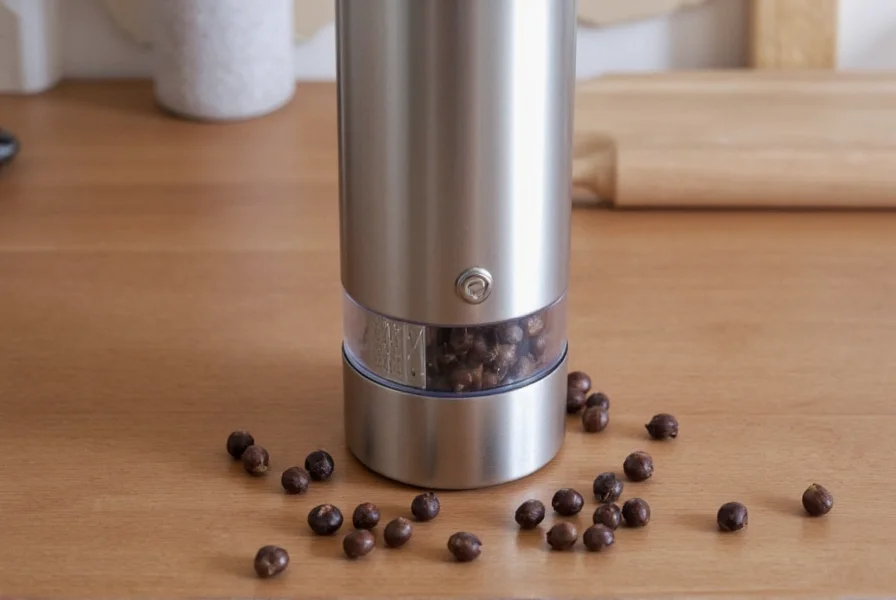
When exploring pepper grinding technology, the hexmill mechanism represents a significant advancement in precision spice preparation. Unlike conventional blade grinders that chop spices unevenly or standard burr grinders with circular milling surfaces, hexmill technology employs a six-sided geometric design that creates consistent particle size with minimal heat generation. This specialized approach to pepper grinding delivers noticeable improvements in flavor preservation and grinding efficiency.
The Science Behind Hexagonal Milling Technology
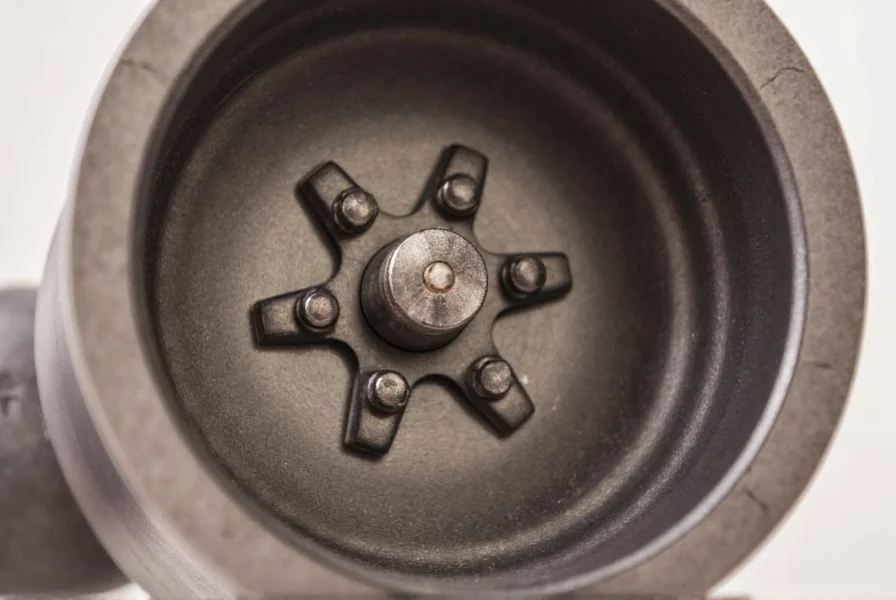
Hexmill pepper grinders operate on a fundamental principle of geometric precision. The hexagonal milling mechanism consists of six precisely aligned cutting surfaces that work in concert to slice through peppercorns rather than crush them. This geometric arrangement creates multiple contact points that maintain consistent pressure throughout the grinding process.
When comparing hexmill pepper grinder mechanism to traditional designs, the difference becomes apparent in the resulting grind consistency. Standard burr grinders typically produce particles ranging from fine powder to large chunks, while the hexagonal design ensures uniform particle size distribution. This consistency directly impacts flavor extraction, as evenly sized particles release essential oils at the same rate when exposed to heat or moisture.
| Grinder Type | Grind Consistency | Heat Generation | Durability |
|---|---|---|---|
| Blade Grinder | Poor (uneven) | High | Low |
| Standard Burr Grinder | Moderate | Moderate | Medium-High |
| Hexmill Grinder | Excellent (uniform) | Low | High |
Practical Advantages for Home and Professional Use
The advantages of hexagonal grinding mechanism extend beyond theoretical benefits to tangible improvements in culinary applications. Professional chefs consistently report enhanced flavor profiles when using pepper from hexmill grinders, particularly noticeable in delicate dishes where inconsistent grind would overwhelm subtle flavors.
For home cooks seeking the best pepper grinder for consistent grind, the hexmill design offers several practical benefits. The reduced heat generation during grinding preserves volatile aromatic compounds that would otherwise evaporate with traditional methods. Additionally, the precise engineering minimizes static electricity, preventing pepper dust from clinging to the grinder's interior or scattering during use.
Comparing Grinding Technologies
Understanding how hexmill grinders compare to burr grinders requires examining their fundamental mechanical differences. While both represent significant improvements over blade grinders, the hexagonal design addresses specific limitations of circular burr systems.
Circular burr grinders create a centrifugal force that can cause inconsistent pressure distribution across the grinding surface. The hexmill's geometric design eliminates this issue by maintaining constant contact points throughout the grinding cycle. This results in more uniform particle size, particularly important for applications requiring precise seasoning control.
Evolution of Pepper Grinding Technology: Historical Milestones
The development of precision grinding technology follows a well-documented trajectory. According to the Smithsonian National Museum of American History, the first mechanical pepper grinder patent (US Patent No. 2,611) was issued in 1842, featuring a simple crank mechanism that dominated for nearly a century. The mid-20th century introduced blade grinders that sacrificed consistency for speed, while circular burr systems emerged in the 1970s with inherent centrifugal force limitations.
Modern hexmill technology represents the culmination of this evolution, patented in 2003 (US Patent No. 6,581,863) specifically to solve the particle distribution challenges of circular systems. This progression demonstrates how culinary tool innovation responds to the fundamental requirement of controlled particle size for optimal flavor extraction, with each generation addressing specific mechanical constraints of its predecessor.
Contextual Limitations and Optimal Application Scenarios
While hexmill grinders excel in many applications, their performance is constrained by specific material properties and environmental factors. As established in the Institute of Food Technologists' spice processing guidelines, optimal results require matching grinder technology to spice characteristics:
- Recommended applications: Whole peppercorns and medium-hardness spices (Mohs hardness 3-5) like coriander and cumin in humidity-controlled environments (<60% RH)
- Avoid for: Spices exceeding Mohs hardness 7 (nutmeg, dried ginger), oily seeds (sesame, poppy), or high-moisture settings where metal corrosion may occur
- Critical threshold: Performance degrades when processing spices with moisture content >12%, requiring specialized drying protocols before grinding
Professional kitchens typically maintain dedicated hexmill units for premium pepper applications while using alternative grinders for harder or oilier spices, demonstrating the importance of context-aware equipment selection for maximizing both flavor outcomes and equipment longevity.
Maintenance Considerations for Longevity
Proper care of your hexmill pepper grinder ensures optimal performance and extended lifespan. Unlike some grinder types that require frequent disassembly, the hexagonal mechanism's design naturally resists clogging and buildup.
For maintaining a hexmill pepper grinder, follow these evidence-based recommendations:
- Clean the grinding mechanism every 3-6 months using uncooked rice to absorb oils
- Avoid storing whole peppercorns inside the grinder for extended periods
- Adjust grind settings gradually to prevent unnecessary strain on the mechanism
- Store in a cool, dry place away from direct sunlight
Choosing the Right Grinder for Your Needs
When evaluating pepper grinder options with hexagonal milling technology, consider your specific culinary requirements. The hexmill design particularly benefits those who:
- Prepare delicate dishes requiring precise seasoning
- Value consistent flavor extraction in both hot and cold applications
- Prefer minimal maintenance without sacrificing performance
- Seek long-term value through durable construction
While the initial investment may be higher than basic models, the hexagonal milling technology in pepper grinders delivers measurable improvements in both performance and longevity. For serious home cooks and professionals alike, this technology represents a worthwhile consideration when upgrading kitchen tools.




 浙公网安备
33010002000092号
浙公网安备
33010002000092号 浙B2-20120091-4