
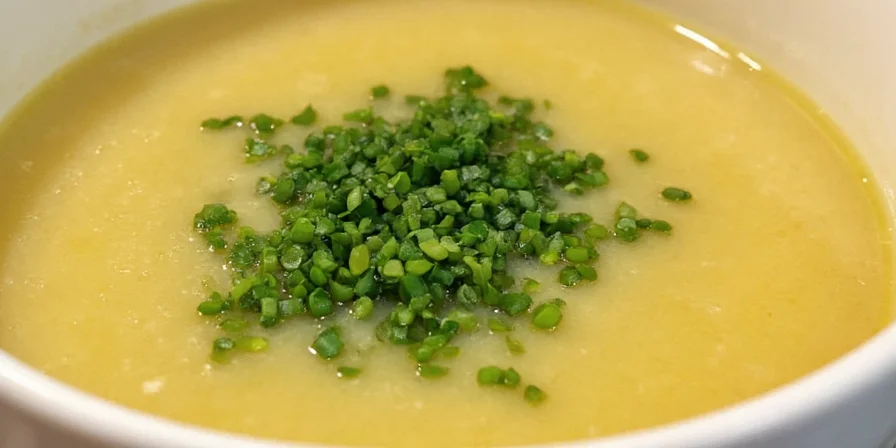
Herbs for Veg Soup: Transform Your Bowl from Basic to Brilliant
Welcome, fellow spice enthusiasts and culinary explorers! If you’ve ever stared into a pot of vegetable soup wondering why it’s just… meh, this guide is your flavor lifeline. Today, we’re diving deep into the world of herbs for veg soup — how to choose them, combine them, and even grow your own.
Why Herbs Make All the Difference
Let’s face it: vegetables are the superheroes of the soup world — packed with nutrients, color, and texture. But even superheroes need sidekicks. That’s where herbs come in. They’re the Robin to your Batman, the Pikachu to your Ash (okay, maybe that was too much).
- Boosts flavor without salt or fat
- Adds aroma and depth
- Brings in health-boosting antioxidants
- Can make your kitchen smell like a gourmet restaurant
The Top 10 Herbs for Veg Soup You Need to Know
| Herb | Flavor Profile | Best For | Pro Tip |
|---|---|---|---|
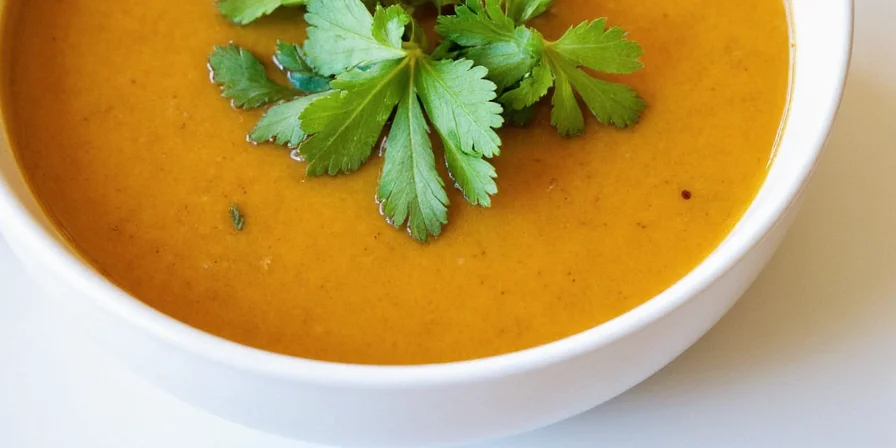
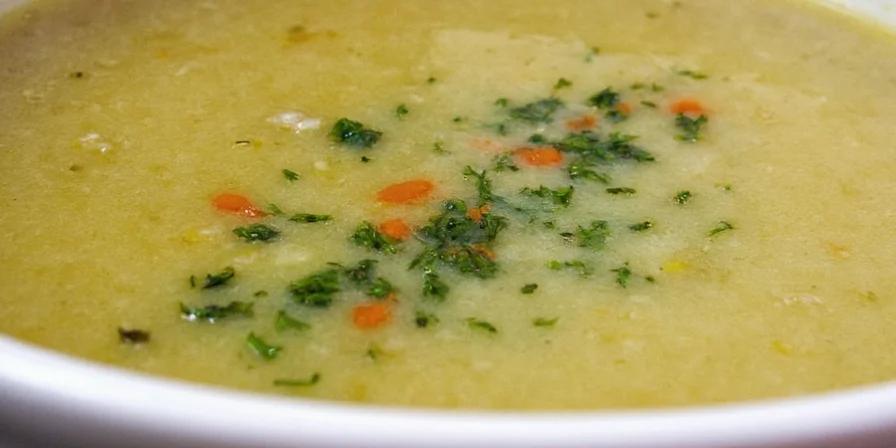
| Parsley | Fresh, grassy | Garnishing, brightening up heavy soups | Add at the end to preserve freshness |
| Basil | Sweet, peppery, aromatic | Tomato-based veg soups, pesto swirls | Don’t cook it too long — lose the aroma! |
| Thyme | Earthy, minty, subtle lemon notes | Root vegetable blends, hearty broths | Use whole sprigs — easy to remove later |
| Rosemary | Pine-like, intense | Winter squash soups, roasted veg bases | A little goes a long way — don’t overdo |
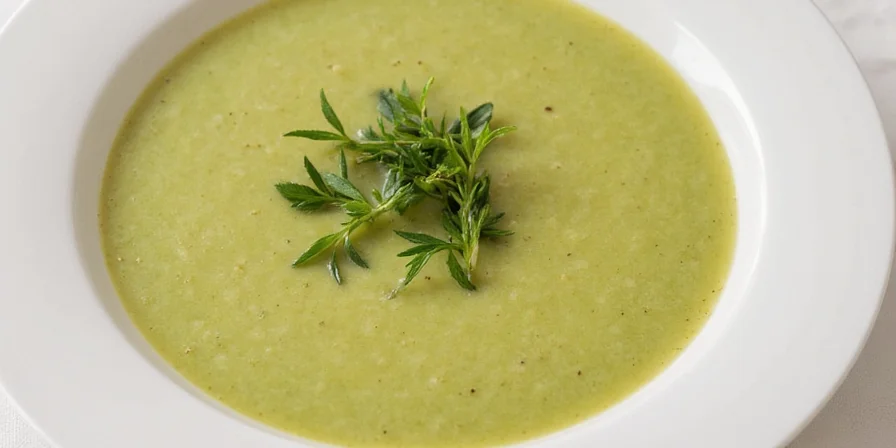
| Dill | Fennel-like, citrusy | Cucumber, zucchini, or potato-based soups | Delicate — add toward the end |
| Oregano | Robust, slightly bitter | Mediterranean-style tomato or eggplant soups | Use dried or fresh — both work great |
| Chives | Mild oniony, fresh | Finishing touch on creamy soups | Snip with scissors — looks fancy |
| Cilantro | Soapy to some, zesty to others | Asian or Latin-inspired veg soups | Some folks can’t taste it right — know your crowd |
| Sage | Woody, savory, earthy | Butternut squash, lentil, mushroom soups | Toasty it slightly before adding |
| Mint | Peppery, refreshing | Cold cucumber or pea soups | Add last — loses potency fast |
When Fresh Meets Dried: The Great Herb Debate
You may be asking yourself: should I use fresh or dried herbs in my veg soup? Let’s break it down.
- Fresh herbs = more delicate, vibrant flavors
- Dried herbs = concentrated, bold flavor bombs
| Aspect | Fresh Herbs | Dried Herbs |
|---|---|---|
| Flavor intensity | Mild | Stronger |
| Best used when | Toward end of cooking | Early in the cooking process |
| Shelf life | Short (unless frozen) | Long (up to a year) |
| Storage needs | Refrigerated or frozen | Dark, cool place |
Proportions Matter: How Much Should You Use?
Here’s a quick cheat sheet:
- 1 tablespoon chopped fresh herb = 1 teaspoon dried herb
- For a standard 4-serving soup: start with 1–2 teaspoons dried or 1–2 tablespoons fresh
- If using strong herbs like rosemary or sage, halve the amount
DIY Herb Garden: Spice Up Your Soup Game
Want to take your veg soup game to the next level? Start a mini herb garden — no green thumb required!
- Indoor options: windowsill pots, countertop herb kits
- Outdoor pick: raised beds, containers, vertical gardens
- Easy starters: basil, chives, parsley, thyme
- Grow & Freeze: Blend extra herbs with olive oil and freeze in ice cube trays
Spice It Up: Herbs + Spices Pairings
Want to go full flavor scientist? Try these dynamic duos:
- Thyme + Bay Leaf + Black Pepper: Earthy warmth for root veg soups
- Coriander + Cumin + Parsley: A Middle Eastern twist
- Dill + Fennel Seed + Lemon Zest: Bright Nordic flair
- Cinnamon Stick + Cloves + Sage: Perfect for pumpkin puree soup
- Cayenne + Oregano + Basil: A spicy Italian vibe
Seasonal Herb Guide for Veg Soups
| Season | Recommended Herbs | Flavor Theme |
|---|---|---|
| Spring | Chives, dill, parsley | Fresh, light, herby |
| Summer | Basil, oregano, mint | Vibrant, Mediterranean, zesty |
| Autumn | Thyme, sage, rosemary | Earthy, cozy, woodsy |
| Winter | Oregano, bay leaf, coriander | Hearty, spiced, comforting |
Common Mistakes (And How to Avoid Them)
We’ve all been there. Here’s what *not* to do:
- Overloading the pot: Start small — you can always add more
- Cooking delicate herbs too early: Dill, cilantro, mint = last-minute heroes
- Mixing conflicting flavors: Sage and mint might not play well together
- Using old herbs: Stale = sad. Keep them fresh or replace regularly
- Neglecting salt balance: Herbs enhance flavor but still need seasoning
Final Flavor Tips for Herby Success
- Layering is key: Add aromatics first, hardy herbs mid-cook, delicate ones at the end
- Balance matters: Sweet vs. bitter, floral vs. earthy — find harmony
- Think globally: Try Thai basil instead of regular, lemongrass for brightness
- Trust your nose: Smell as you go — if it smells amazing, it probably tastes amazing
- Experiment boldly: Some of the best soup combos were made by mistake!
Conclusion
There you have it — your ultimate cheat sheet to mastering herbs for veg soup. Whether you're a pro chef or a weekend soup warrior, the right herbs can elevate your dish from “just okay” to “OMG, make that again!”
So next time you’re staring into a simmering pot, don’t just throw in random leaves from your fridge drawer. Be intentional, be bold, and above all — be flavorful. Your tastiest veg soup yet is just a few herbs away.
Happy sipping, savoring, and herb-dusting!




 浙公网安备
33010002000092号
浙公网安备
33010002000092号 浙B2-20120091-4