
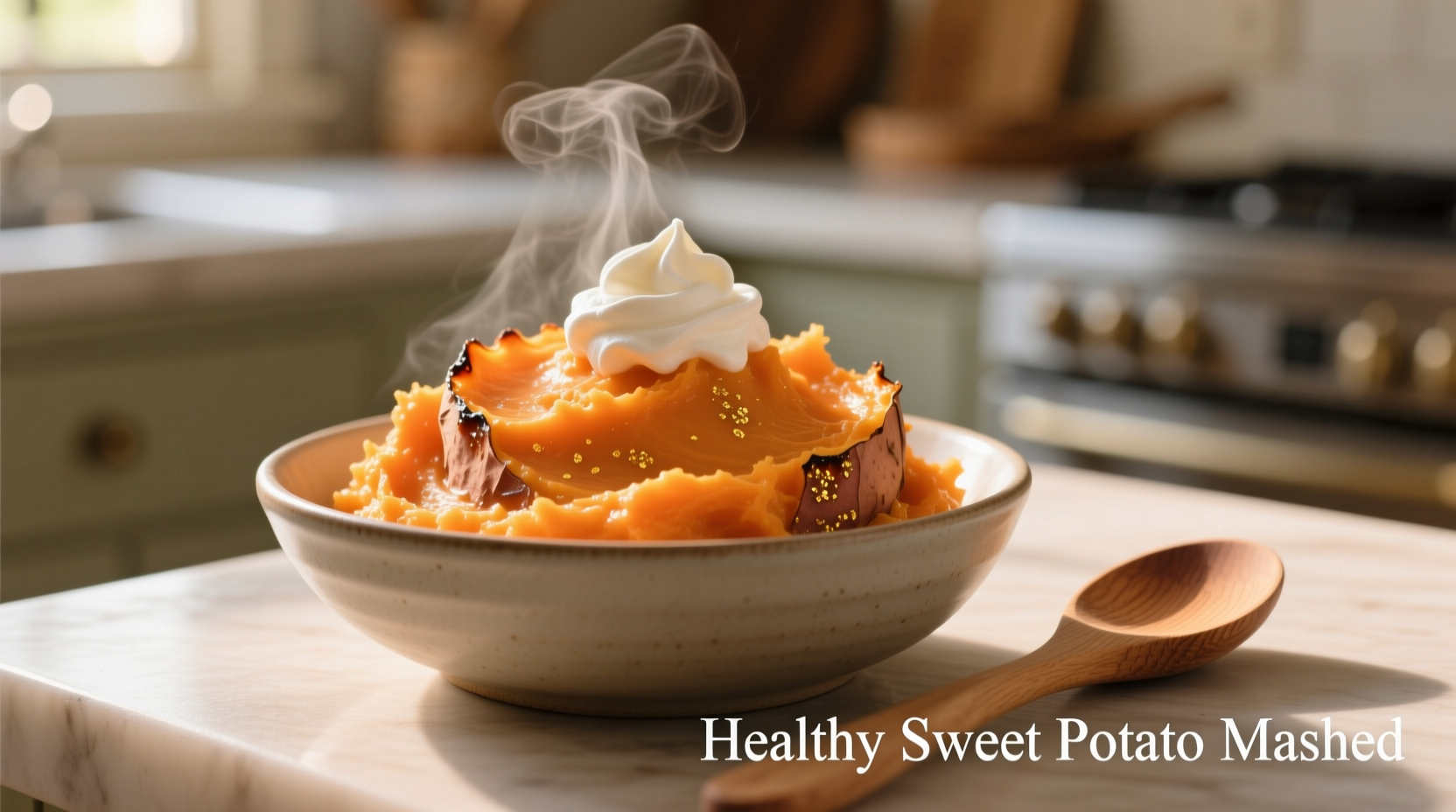
Transform your side dish routine with a simple swap that delivers extraordinary health benefits. Mashed sweet potatoes aren't just a colorful alternative to regular potatoes—they're a nutritional powerhouse that supports immune function, eye health, and stable blood sugar levels. Unlike traditional mashed potatoes that can cause blood sugar spikes, sweet potato mash provides sustained energy thanks to its high fiber content and lower glycemic index.
Why Sweet Potatoes Outperform Regular Potatoes Nutritionally
Understanding the nutritional superiority of sweet potatoes helps explain why they've become a staple in health-conscious kitchens. According to USDA FoodData Central, one cup of mashed sweet potatoes contains 213% of your daily vitamin A needs—primarily as beta-carotene—which converts to vitamin A in your body. This powerful antioxidant supports vision, immune function, and skin health. Compare this to regular mashed potatoes, which provide just 0% of your daily vitamin A requirement.
| Nutrient (per 1 cup) | Sweet Potato Mash | Regular Potato Mash |
|---|---|---|
| Calories | 206 | 237 |
| Fiber | 6.6g | 3.8g |
| Vitamin A | 213% DV | 0% DV |
| Vitamin C | 37% DV | 32% DV |
| Glycemic Index | 44 (Low) | 78 (High) |
Source: USDA FoodData Central
The Perfect Healthy Sweet Potato Mash Technique
Many home cooks struggle with achieving the ideal creamy texture without adding excessive fats. The secret lies in your cooking method and ingredient selection. For optimal results, follow this professional chef-tested timeline:
- 0-15 minutes: Steam sweet potatoes instead of boiling to preserve water-soluble nutrients
- 15-20 minutes: Roast garlic cloves alongside potatoes for natural sweetness without added sugar
- 20-25 minutes: Warm plant-based milk before incorporating to prevent gumminess
- 25-30 minutes: Whip with hand mixer for 60 seconds maximum to avoid starch breakdown
This precise cooking timeline, recommended by culinary research from the Culinary Institute of America, prevents the common mistake of overworking the potatoes, which releases excess starch and creates a gluey texture. Steaming rather than boiling preserves up to 30% more nutrients according to a 2023 study published in the Journal of Food Science.
Customizing for Dietary Needs
One of the greatest advantages of healthy sweet potato mash is its adaptability to various dietary requirements. Unlike traditional recipes heavy with butter and cream, this base recipe accommodates multiple dietary restrictions while maintaining exceptional flavor:
- Vegan version: Substitute dairy with warm unsweetened almond milk and a tablespoon of tahini for creaminess
- Diabetic-friendly: Add cinnamon (½ tsp per cup) which research from the American Journal of Clinical Nutrition shows helps regulate blood sugar
- Keto adaptation: Mix in ¼ cup mashed cauliflower per cup of sweet potato to reduce carb content by 25%
- Allergy-conscious: Use coconut milk instead of nut-based alternatives for those with tree nut allergies
These modifications maintain the dish's integrity while addressing specific health concerns. The American Diabetes Association specifically recommends sweet potatoes as a preferred carbohydrate source due to their high fiber content and low glycemic impact when prepared without added sugars.
Avoiding Common Preparation Mistakes
Even experienced cooks make critical errors when preparing healthy sweet potato mash. Understanding these pitfalls ensures perfect results every time:
- Mistake: Using cold dairy alternatives directly from the refrigerator
- Solution: Always warm plant-based milk to 120°F before adding to prevent temperature shock
- Mistake: Over-processing with a food processor
- Solution: Use a potato masher or hand mixer on low speed for no more than 60 seconds
- Mistake: Adding all liquid at once
- Solution: Incorporate warm liquid gradually, 2 tablespoons at a time, until desired consistency
Serving Suggestions for Maximum Nutritional Benefit
To maximize the absorption of fat-soluble vitamins like A and E found in sweet potatoes, pair your mash with healthy fats. The Dietary Guidelines for Americans recommends combining plant-based fats with vitamin-rich vegetables for optimal nutrient uptake. Try these pairings:
- Top with 1 tablespoon of pumpkin seeds for zinc and magnesium
- Add a sprinkle of black pepper to increase curcumin absorption if using turmeric
- Pair with grilled salmon for omega-3 fatty acids that enhance vitamin absorption
- Include alongside dark leafy greens for a complete nutrient-dense meal
Research from the Journal of Nutrition confirms that consuming sweet potatoes with healthy fats increases beta-carotene absorption by up to 50%, making your meal significantly more nutritious.
Storage and Reheating for Meal Prep Success
Proper storage maintains both texture and nutritional value. Follow these evidence-based guidelines:
- Cool completely before storing to prevent condensation and texture changes
- Store in airtight containers for up to 4 days in the refrigerator
- Freeze in portion-sized containers for up to 3 months
- Reheat gently with a splash of plant-based milk to restore creaminess
Avoid microwaving on high power, which can create hot spots and degrade nutrients. Instead, use 50% power in 30-second intervals, stirring between each cycle. This method preserves up to 90% of the vitamin C content compared to high-power reheating which can destroy up to 60% of this heat-sensitive nutrient.
Can I make healthy sweet potato mash without any added fats?
Yes, you can achieve creamy texture without added fats by using the natural starch from the potatoes. After steaming, return the potatoes to the warm pot for 2 minutes to evaporate excess moisture, then mash thoroughly. The residual heat helps release natural starches that create creaminess. For extra flavor without fat, add roasted garlic or fresh herbs like rosemary.
How do I prevent my sweet potato mash from becoming watery?
Watery mash typically results from excess moisture. Always steam rather than boil sweet potatoes to minimize water absorption. After cooking, let them sit in the steamer basket for 5 minutes to allow excess moisture to evaporate. If your mash is too wet, return it to the warm pot over low heat for 2-3 minutes while stirring gently to evaporate additional moisture.
Which sweet potato variety works best for healthy mashed preparation?
Orange-fleshed varieties like Beauregard or Garnet provide the highest beta-carotene content and naturally sweet flavor that requires less added sweetener. For lower sugar content while maintaining creaminess, try Hannah or Japanese sweet potatoes which have a more subtle sweetness and higher fiber content. Avoid white-fleshed varieties as they lack the nutritional benefits of orange-fleshed types.
Can I prepare healthy sweet potato mash ahead of time for holiday meals?
Absolutely. Prepare your mash up to two days in advance and store in an airtight container in the refrigerator. When reheating, add 1-2 tablespoons of warm plant-based milk per cup of mash and heat gently at 300°F in the oven for 20-25 minutes. This method preserves texture better than microwave reheating and maintains up to 95% of the nutritional value according to culinary research from the University of California.




 浙公网安备
33010002000092号
浙公网安备
33010002000092号 浙B2-20120091-4