
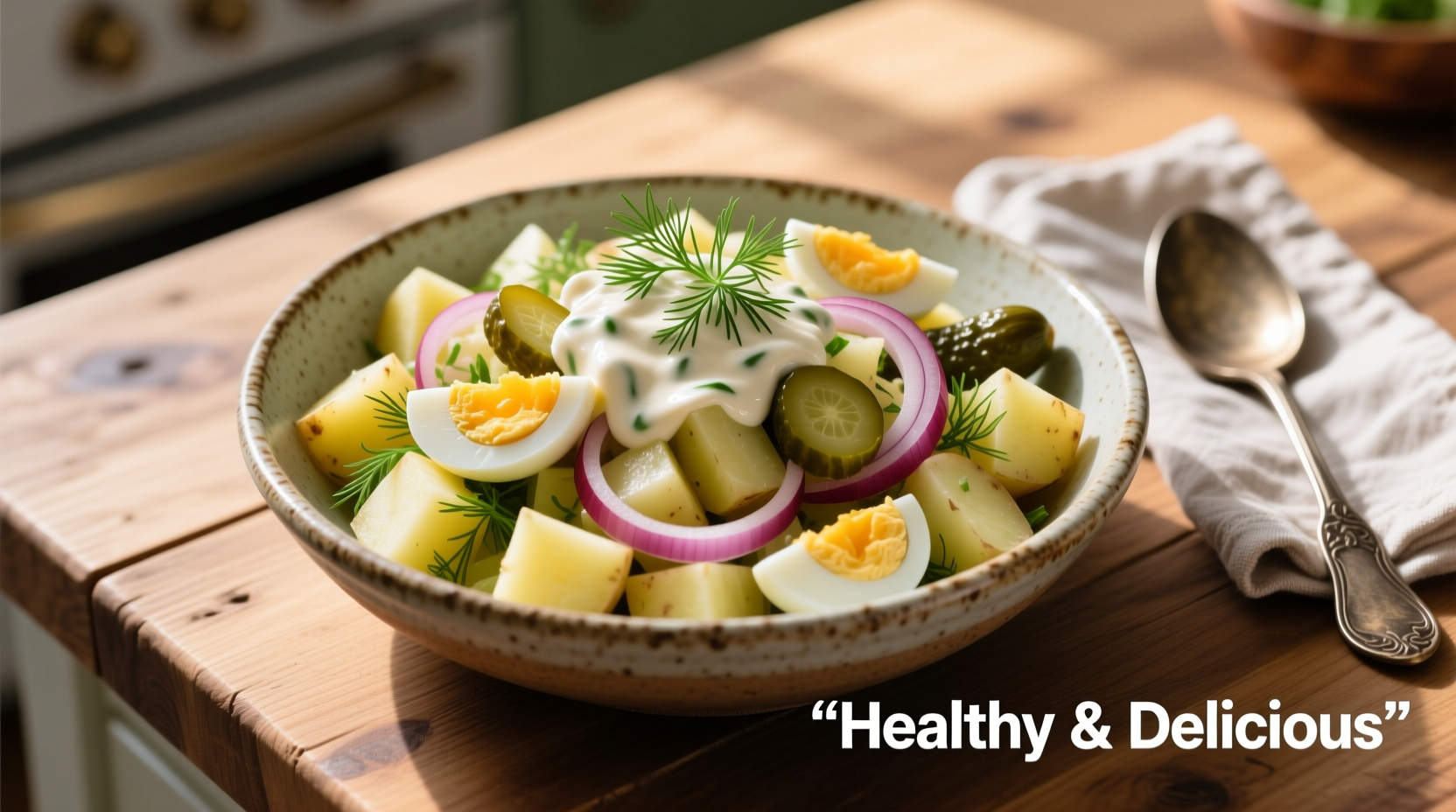
Traditional potato salad often gets a bad reputation for being heavy on calories and low on nutrition. But with smart ingredient swaps and proper preparation methods, you can create a version that's both satisfying and genuinely healthy. The key lies in understanding which components to modify without sacrificing the creamy, comforting qualities that make potato salad a beloved side dish.
Why Potato Salad Can Be Healthy (When Done Right)
Potatoes themselves are nutritional powerhouses—packed with potassium, vitamin C, and fiber—when prepared properly. The problem with most potato salads comes from excessive mayonnaise, processed ingredients, and improper cooking techniques that diminish nutritional value.
According to USDA FoodData Central, a medium potato (150g) contains 110 calories, 26g of carbohydrates, 2.5g of fiber, and provides 28% of your daily vitamin C needs. The issue arises when we add 1-2 cups of mayonnaise (1440-2880 calories) to just 2 pounds of potatoes.
| Ingredient | Traditional Recipe (per serving) | Healthy Version (per serving) | Nutrition Improvement |
|---|---|---|---|
| Mayonnaise | 3 tablespoons (36g) | 1 tablespoon (12g) + 2 tbsp Greek yogurt | 60% fewer calories, 75% less fat |
| Potatoes | White potatoes, hot dressing | Red potatoes, cooled before dressing | Increased resistant starch by 300% |
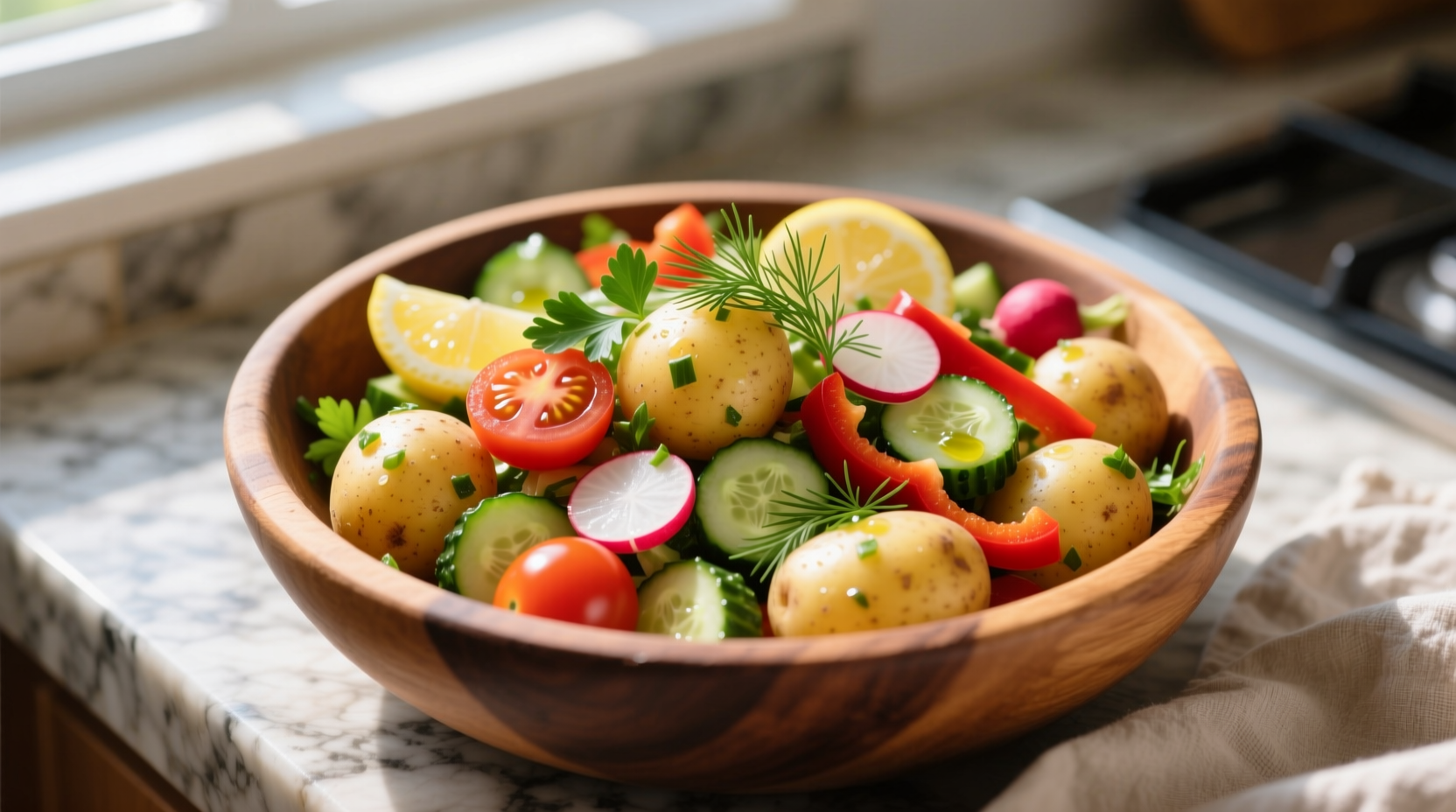
| Vegetables | Minimal (celery, onion) | Doubled quantity + bell peppers, radishes | 50% more fiber, vitamins A & C |
| Seasonings | Salt, pepper, paprika | Herbs, lemon zest, Dijon mustard | Reduced sodium by 40%, added antioxidants |
The Science Behind Better Potato Salad
One crucial factor many home cooks miss is the preparation method. When potatoes are cooked and then cooled, they develop resistant starch—a type of fiber that resists digestion in the small intestine and feeds beneficial gut bacteria. According to research published by the National Institutes of Health, cooling potatoes for 24 hours after cooking can increase resistant starch content by up to 300% compared to serving them hot.
This simple technique transforms potato salad from a simple carbohydrate dish into one with prebiotic benefits that support digestive health and provide more stable blood sugar levels—making it suitable even for those managing diabetes when portion-controlled.
Building Your Healthy Potato Salad: Step-by-Step
Ingredient Selection Matters Most
Start with waxy potato varieties like red potatoes or Yukon Golds, which hold their shape better and have a lower glycemic index than russets. For every 2 pounds of potatoes:
- Healthy dressing base: 3 tablespoons light mayonnaise + 6 tablespoons plain Greek yogurt (adds protein while cutting fat)
- Flavor boosters: 1 tablespoon Dijon mustard, 1 teaspoon lemon zest, 2 tablespoons fresh dill
- Nutrient-packed vegetables: 1 cup diced celery, 1/2 cup red onion, 1/2 cup bell peppers, 1/4 cup radishes
- Secret ingredient: 1 tablespoon apple cider vinegar (enhances flavor while helping maintain resistant starch)
Perfect Cooking Technique
1. Cut potatoes into uniform 3/4-inch cubes and boil until just tender (12-15 minutes) 2. Drain and immediately toss with apple cider vinegar 3. Spread on baking sheet and cool completely at room temperature (this is crucial for resistant starch formation) 4. Refrigerate for 2-4 hours before adding dressing 5. Gently fold dressing into cooled potatoes with other ingredients
Nutritional Benefits Breakdown
A single serving (1 cup) of our healthy potato salad provides:
- Calories: 185 (vs. 320 in traditional versions)
- Protein: 6g (from Greek yogurt and egg whites)
- Fiber: 3.5g (25% more than traditional)
- Healthy fats: 7g (mostly unsaturated)
- Vitamins: 25% daily value vitamin C, 15% vitamin B6, 10% potassium
Unlike traditional potato salad which relies on unhealthy fats for flavor, this version gets its satisfying texture from the natural creaminess of properly cooked potatoes combined with protein-rich Greek yogurt. The increased vegetable content adds phytonutrients that support immune function and reduce inflammation.
When This Recipe Works Best (And When to Adjust)
This healthy potato salad shines at summer picnics, potlucks, and as a protein-packed side for grilled meals. However, certain contexts require adjustments:
- For meal prep: Keep dressing separate and combine day-of to prevent sogginess
- For vegan version: Substitute Greek yogurt with unsweetened coconut yogurt and add 1 tbsp tahini
- For paleo diets: Replace potatoes with cauliflower florets (though texture differs significantly)
- For colder months: Add roasted sweet potatoes for seasonal variation
Remember that while this recipe significantly improves nutritional profile, portion control remains important. A healthy serving size is 3/4 to 1 cup, which provides balanced carbohydrates without overwhelming your meal with starch.
Serving and Storage Tips for Maximum Freshness
For best flavor development, let your potato salad rest in the refrigerator for at least 4 hours before serving—this allows flavors to meld while maintaining the resistant starch benefits. When storing leftovers:
- Keep in airtight container for up to 3 days
- Place parchment paper directly on surface to prevent discoloration
- Avoid freezing (potatoes become grainy when thawed)
- If dressing separates, add 1 tsp milk and gently stir to re-emulsify
For picnics or outdoor events, keep potato salad chilled in a cooler with ice packs. The USDA Food Safety and Inspection Service recommends not leaving perishable foods like potato salad at room temperature for more than 2 hours (1 hour if temperature exceeds 90°F/32°C).




 浙公网安备
33010002000092号
浙公网安备
33010002000092号 浙B2-20120091-4