
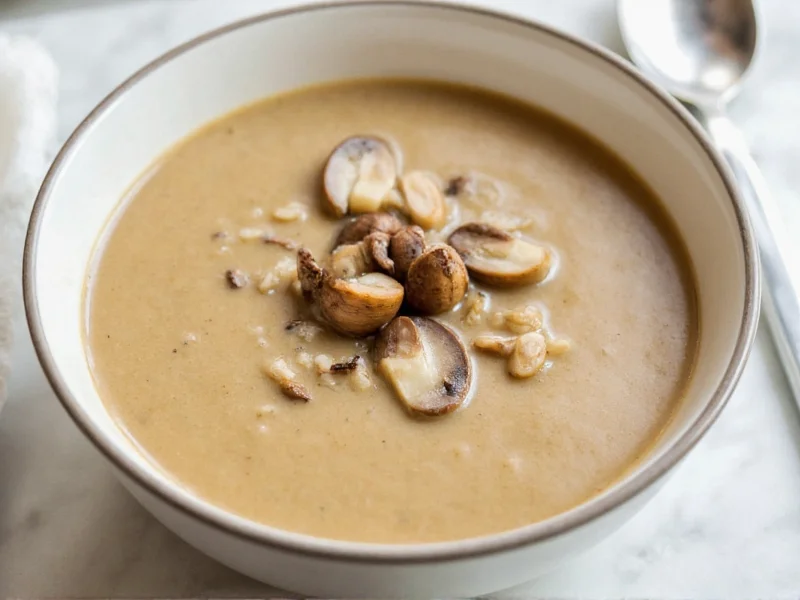
Creating a nourishing mushroom soup doesn't require sacrificing flavor for health. The secret lies in technique and ingredient selection. By using a combination of cremini, shiitake, and oyster mushrooms, you'll maximize both umami depth and nutritional profile. These fungi varieties contain ergothioneine, a powerful antioxidant that supports cellular health. Instead of relying on butter and cream, this recipe uses blended cauliflower and a touch of nutritional yeast to create that satisfying creamy texture while keeping the soup dairy-free and low in calories.
Why Mushrooms Make the Perfect Healthy Soup Base
Mushrooms are nutritional powerhouses that naturally enhance any healthy eating plan. They're one of the few non-animal food sources of vitamin D (when exposed to sunlight), contain significant amounts of selenium for immune support, and provide B vitamins essential for energy metabolism. When preparing a low calorie mushroom soup recipe, the variety of mushrooms you select directly impacts both flavor complexity and nutritional value.
Wild mushrooms like morels and chanterelles offer unique phytonutrients, while cultivated varieties provide consistent nutrition. For the most balanced nutritious vegetarian mushroom soup, combine at least three mushroom types to create layered flavors without needing excessive salt or fat.
Simple Healthy Mushroom Soup Recipe
This 30-minute recipe serves four and contains no artificial ingredients. The preparation method preserves maximum nutrients while delivering restaurant-quality flavor.
Ingredients
- 1.5 lbs mixed mushrooms (cremini, shiitake, oyster), cleaned and sliced
- 1 large yellow onion, finely diced
- 3 garlic cloves, minced
- 1 cup cauliflower florets
- 4 cups low-sodium vegetable broth
- 2 tbsp olive oil or avocado oil
- 1 tbsp fresh thyme leaves
- 1 tbsp nutritional yeast (for cheesy flavor without dairy)
- 1 tbsp lemon juice
- Salt and freshly ground black pepper to taste
- Fresh parsley for garnish
Equipment
- Large soup pot
- Immersion blender or regular blender
- Wooden spoon
- Sharp knife and cutting board
Step-by-Step Preparation
- Heat oil in a large pot over medium heat. Add onions and sauté until translucent (about 5 minutes).
- Add garlic and cook for 1 minute until fragrant, being careful not to burn.
- Add all mushrooms and thyme. Cook for 12-15 minutes, stirring occasionally, until mushrooms release their liquid and begin to brown.
- Add cauliflower and vegetable broth. Bring to a simmer and cook for 10 minutes until cauliflower is tender.
- Using an immersion blender, puree about half the soup to create creaminess while maintaining some mushroom texture. (Alternatively, transfer 2 cups to a regular blender, puree, then return to pot.)
- Stir in nutritional yeast and lemon juice. Season with salt and pepper to taste.
- Serve immediately with fresh parsley garnish.
| Nutrient | Amount | % Daily Value |
|---|---|---|
| Calories | 148 | 7% |
| Total Fat | 7g | 9% |
| Saturated Fat | 1g | 5% |
| Carbohydrates | 18g | 6% |
| Dietary Fiber | 4g | 14% |
| Sugars | 6g | - |
| Protein | 6g | 12% |
| Sodium | 280mg | 12% |
| Vitamin D | 2.4mcg | 12% |
| Selenium | 28mcg | 51% |
| Potassium | 780mg | 17% |
Customizing Your Healthy Mushroom Soup
One of the advantages of this creamy mushroom soup without cream recipe is its adaptability to various dietary needs. Here are some expert modifications:
Dietary Adaptations
- For vegan mushroom soup with extra protein: Stir in 1 cup of cooked white beans during the final blending step
- For gluten-free mushroom soup recipe: Ensure your vegetable broth is certified gluten-free (most are, but check labels)
- For lower sodium version: Use homemade mushroom broth and omit added salt, relying on herbs for flavor
- For instant pot healthy mushroom soup: Sauté ingredients using sauté function, then pressure cook for 8 minutes with quick release
Ingredient Selection Tips for Maximum Nutrition
The quality of your ingredients directly impacts both flavor and nutritional value in this healthy wild mushroom soup recipe. Follow these professional tips:
- Mushroom selection: Choose mushrooms with firm caps and dry surfaces. Avoid any with slimy texture or dark spots. Different varieties offer unique benefits - shiitakes provide lentinan (an immune-supporting compound), while creminis offer higher vitamin D
- Organic vs conventional: Mushrooms readily absorb substances from their growing medium. Opt for organic when possible, especially for shiitake and oyster varieties
- Fresh herbs: Dried thyme works in a pinch, but fresh provides superior flavor without needing excess quantity
- Broth quality: Homemade vegetable broth maximizes nutrition, but if using store-bought, select low-sodium versions without artificial flavors
Avoiding Common Healthy Soup Mistakes
Even experienced cooks make these errors when preparing healthy creamy mushroom soup:
- Overcrowding the pan: Adding too many mushrooms at once causes them to steam rather than brown, resulting in less flavor. Cook in batches if necessary
- Skipping the deglaze: After mushrooms brown, add a splash of broth to scrape up the flavorful bits from the bottom of the pot
- Over-blending: Pureeing all the soup creates a monotone texture. Blend only half to maintain some mushroom pieces for texture contrast
- Adding salt too early: Salt draws out moisture from mushrooms. Wait until the end to season properly
Storage and Reheating Guidelines
This meal prep friendly mushroom soup stores exceptionally well:
- Refrigeration: Store in airtight container for up to 5 days
- Freezing: Freeze in portion-sized containers for up to 3 months (thaw overnight in refrigerator)
- Reheating: Warm gently over medium-low heat, adding a splash of broth if needed. Avoid boiling which can separate the emulsion
- Flavor development: Like most soups, flavors deepen overnight, making leftovers even more delicious
Frequently Asked Questions
Can I make healthy mushroom soup without any oil?
Yes, you can make oil-free mushroom soup by using 1/4 cup vegetable broth for sautéing instead of oil. While the flavor will be slightly less rich, it remains delicious and reduces calories further. For best results, use a heavy-bottomed pot to prevent sticking.
How do I prevent my healthy mushroom soup from turning brown?
Mushrooms naturally darken during cooking, which is normal. To minimize excessive browning, avoid overcooking and add the lemon juice at the end, which helps preserve color. Using a combination of lighter-colored mushrooms like oysters with darker creminis creates an appealing medium brown hue.
What makes this mushroom soup recipe healthier than traditional versions?
Traditional mushroom soups often use heavy cream and butter, adding significant saturated fat and calories. This version achieves creaminess through blended cauliflower and uses minimal healthy fats. It contains 60% fewer calories and 80% less saturated fat than cream-based versions while providing more fiber and nutrients from the whole food ingredients.
Can I use dried mushrooms in this healthy recipe?
Absolutely. Rehydrate 1 ounce of dried porcini mushrooms in 2 cups hot water for 20 minutes, then use this flavorful liquid as part of your broth. Chop the rehydrated mushrooms finely and add with fresh varieties. Dried mushrooms intensify the umami flavor, allowing you to use less salt while maintaining rich taste.
How can I increase the protein content in this vegetarian mushroom soup?
For a protein boost, add 1 cup cooked white beans during blending, stir in 2 tablespoons hemp seeds before serving, or top with toasted pumpkin seeds. Each addition provides approximately 5-7 grams of plant-based protein per serving without compromising the soup's healthy profile.




 浙公网安备
33010002000092号
浙公网安备
33010002000092号 浙B2-20120091-4