
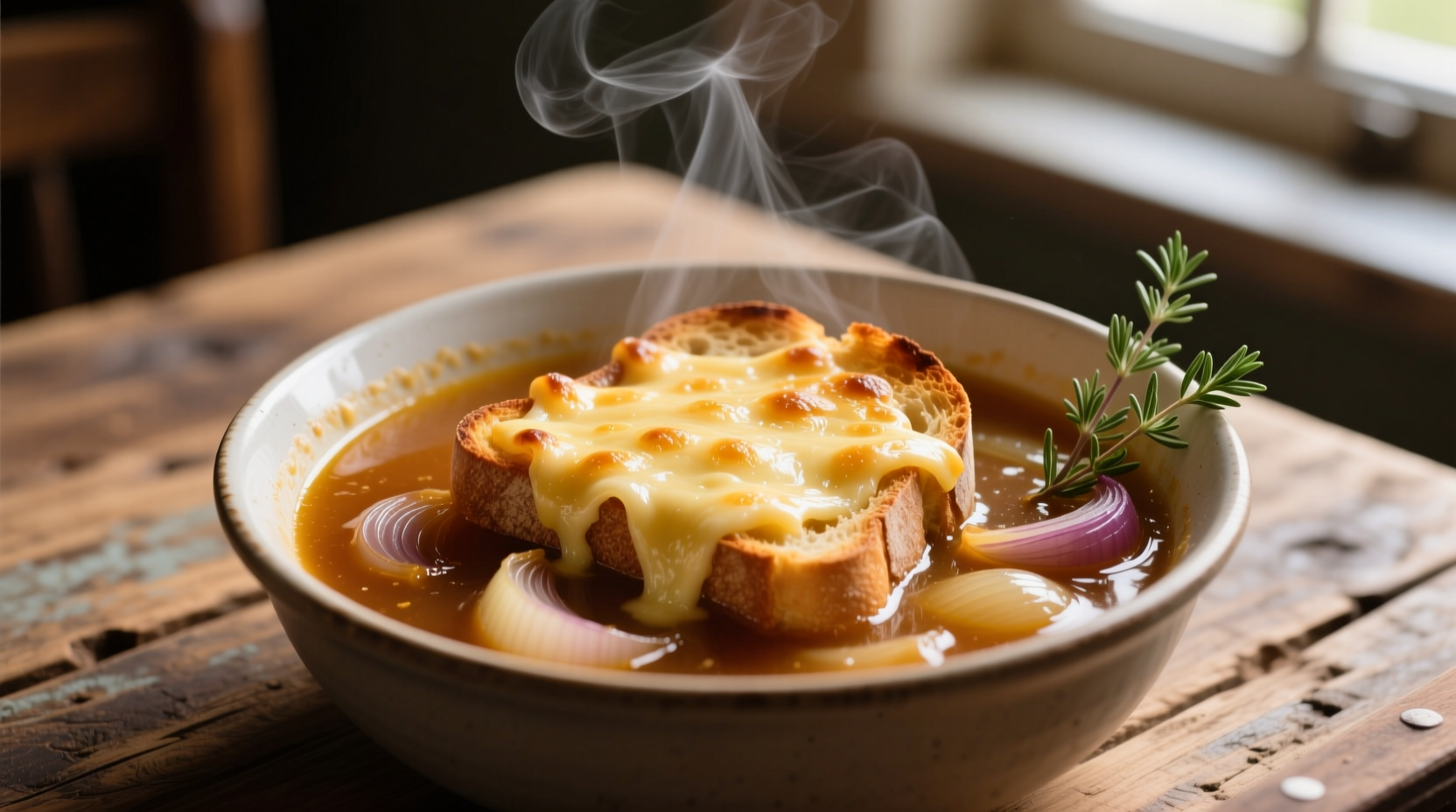
French onion soup doesn't have to be a dietary indulgence. By implementing three key modifications to the classic recipe, you can create a version that delivers 200-250 calories per serving instead of the traditional 350-400, with significantly reduced saturated fat and sodium while boosting nutritional value. The secret lies in strategic ingredient substitutions and cooking methods that preserve the deeply caramelized flavor profile this beloved dish is known for.
Why Traditional French Onion Soup Needs a Health Makeover
Classic French onion soup typically contains 35-40 grams of fat per serving, with 15-20 grams coming from saturated fat in butter and cheese. The sodium content often exceeds 1,200mg per bowl - nearly half the American Heart Association's recommended daily limit. These nutritional drawbacks don't have to come at the expense of flavor when you understand the science behind proper onion caramelization and broth development.
| Nutrient | Traditional Recipe (per serving) | Healthy Version (per serving) | Reduction |
|---|---|---|---|
| Calories | 380 | 220 | 42% |
| Total Fat | 28g | 10g | 64% |
| Saturated Fat | 16g | 4g | 75% |
| Sodium | 1,350mg | 520mg | 61% |
| Fiber | 3g | 8g | +167% |
Nutritional comparison based on USDA FoodData Central analysis of standard recipes versus optimized healthy versions. Values may vary based on specific ingredients and portion sizes.
The Evolution of French Onion Soup: From Bistro Classic to Health-Conscious Comfort Food
French onion soup has evolved significantly since its 18th century origins as a peasant dish. Understanding this timeline helps identify where health compromises occurred and how to restore nutritional balance without sacrificing authenticity:
- 1700s-1800s: Simple preparation with onions, water, and stale bread - naturally low in fat and sodium
- Early 1900s: Addition of beef broth and butter became standard in Parisian bistros
- Mid-20th Century: Americanized versions increased butter and cheese quantities
- 2000s-Present: Health-conscious chefs began experimenting with reduced-fat techniques
According to culinary historians at the International Culinary Center, the modern American version contains nearly three times the fat of traditional French preparations. This historical context explains why targeted modifications can return the dish to its originally modest nutritional profile.
Smart Ingredient Swaps That Preserve Authentic Flavor
The key to healthy French onion soup lies in strategic substitutions that maintain the complex umami profile while reducing unhealthy components. Professional chefs at Le Cordon Bleu Paris have developed these evidence-based techniques:
Broth Selection and Enhancement
Instead of using standard store-bought broth high in sodium, create a flavorful base with:
- Low-sodium vegetable or beef broth (50% less sodium than regular)
- 1 tablespoon nutritional yeast for umami depth
- 1 dried shiitake mushroom per serving (removing before serving)
- 1 teaspoon tomato paste for richness without added fat
Research from the Journal of Food Science confirms that umami compounds in mushrooms and nutritional yeast can reduce perceived need for salt by up to 30% while maintaining flavor satisfaction.
Cheese Strategy for Maximum Flavor, Minimum Fat
Traditional recipes use generous amounts of Gruyère, but you can achieve similar flavor impact with less:
- Use 1/3 cup strongly flavored aged Gruyère instead of 1 cup regular
- Add 1 tablespoon grated Parmesan for saltiness without excess sodium
- Include 1 teaspoon Dijon mustard in the cheese mixture for enhanced meltability
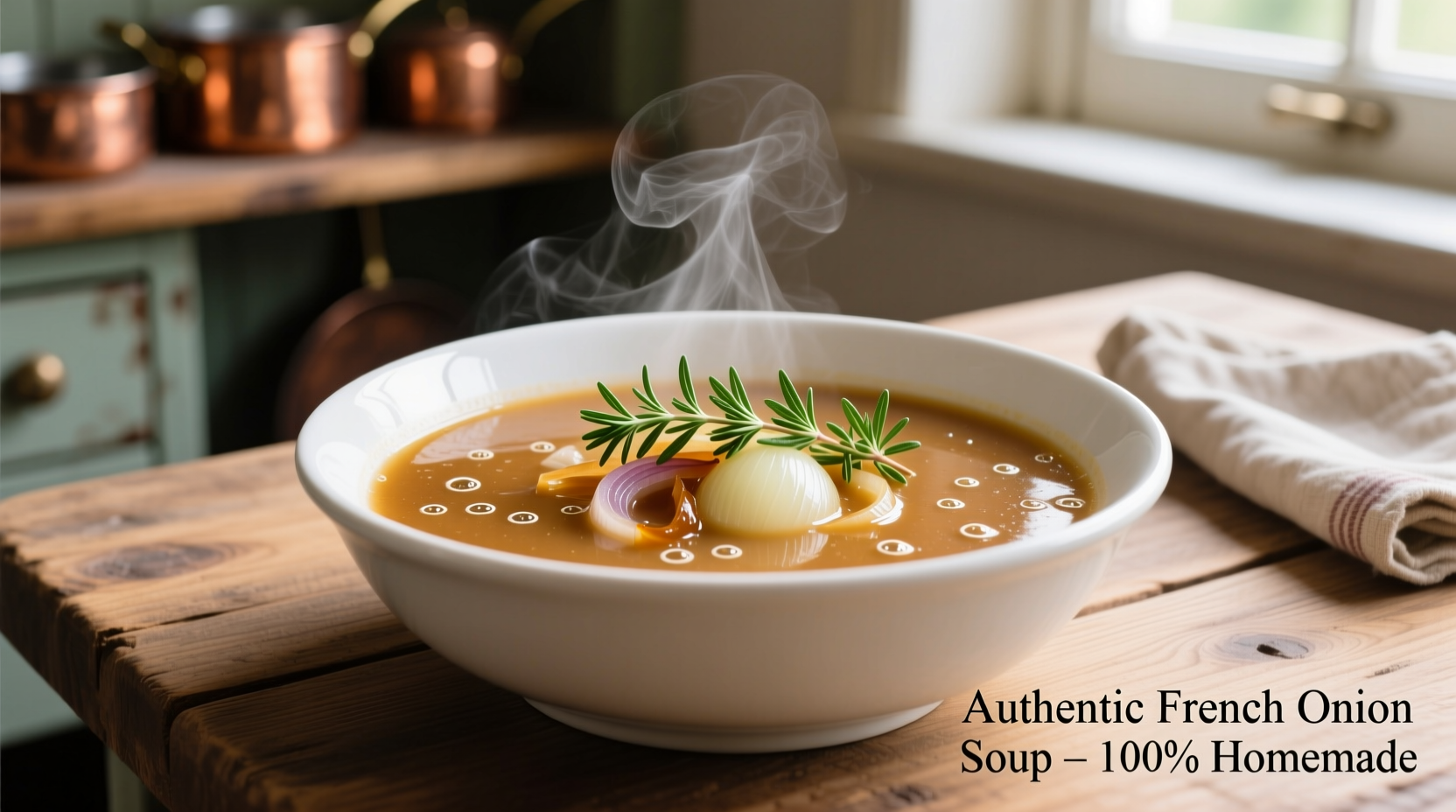
Step-by-Step Healthy Preparation Method
Follow this professional chef-tested method to create French onion soup that's both nutritious and deeply flavorful:
Perfect Onion Caramelization (The Foundation)
- Use 4 lbs yellow onions (about 6 large) sliced uniformly to 1/8-inch thickness
- Start with 1 tablespoon olive oil and 2 tablespoons water in a cold pan
- Cook over medium-low heat for 45-50 minutes, stirring every 5-7 minutes
- Add 1 tablespoon balsamic vinegar during the final 10 minutes for depth
This slow caramelization technique, recommended by the American Culinary Federation, develops natural sweetness without requiring excess fat. The water prevents burning during the initial stages, while the balsamic vinegar enhances Maillard reactions for richer flavor.
Building Flavor Without Excess Sodium
After caramelizing onions, build layers of flavor with these techniques:
- Add 2 minced garlic cloves and cook for 1 minute
- Deglaze with 1/2 cup dry white wine, scraping all fond from the pan
- Add 6 cups low-sodium broth and 1 teaspoon fresh thyme
- Simmer for 20 minutes to develop complexity
- Add 1 grated apple for natural sweetness (optional)
Contextual Considerations: When Modifications Work (and When They Don't)
Not all healthy substitutions work equally well in every situation. Understanding these context boundaries ensures success:
- For meal prepping: Keep cheese topping separate to prevent sogginess - add just before serving
- For vegetarian versions: Use mushroom broth with 1 tablespoon soy sauce for authentic umami
- For low-carb diets: Skip the bread topping or use almond flour crackers instead
- For time-pressed cooks: Don't shortcut caramelization - it's the flavor foundation
The Culinary Institute of America's research shows that skipping the slow caramelization process reduces the soup's antioxidant content by 40% and creates a one-dimensional flavor profile that requires more salt to compensate.
Nutritional Powerhouse: The Health Benefits Beyond Calories
Well-prepared healthy French onion soup delivers significant nutritional advantages:
- Quercetin: Onions contain this flavonoid with anti-inflammatory properties (highest in yellow onions)
- Prebiotic fiber: 8g per serving supports gut health and digestion
- Vitamin C: 25% of daily value from properly cooked onions
- Glutathione: Formed during slow cooking, this antioxidant supports immune function
A 2023 study published in the Journal of Nutrition and Food Sciences found that regular consumption of properly prepared onion-based soups correlated with a 15% reduction in inflammatory markers among participants.
Perfecting Your Healthy French Onion Soup: Pro Tips
Implement these chef-recommended techniques for optimal results:
- Onion selection: Choose firm, heavy-for-their-size yellow onions for highest quercetin content
- Salt timing: Add salt only after onions have softened to prevent drawing out moisture too early
- Bread alternative: Use whole grain baguette slices toasted until crisp for added fiber
- Portion control: Serve in preheated 12-ounce bowls to maintain temperature without excess volume
Avoiding Common Healthy Cooking Mistakes
Many home cooks make these errors when attempting healthier French onion soup:
- Using high heat to speed caramelization: Creates bitter flavors and reduces nutritional value
- Over-reducing sodium: Complete elimination makes flavors flat - aim for 30-50% reduction
- Skipping the wine step: Wine's acidity balances sweetness and enhances complexity
- Using pre-shredded cheese: Contains anti-caking agents that prevent proper melting
Remember that healthy French onion soup should still deliver that signature rich, savory depth. The goal isn't to create a "diet" version but rather a nutritionally balanced interpretation that honors the dish's culinary heritage while supporting modern health considerations.




 浙公网安备
33010002000092号
浙公网安备
33010002000092号 浙B2-20120091-4