
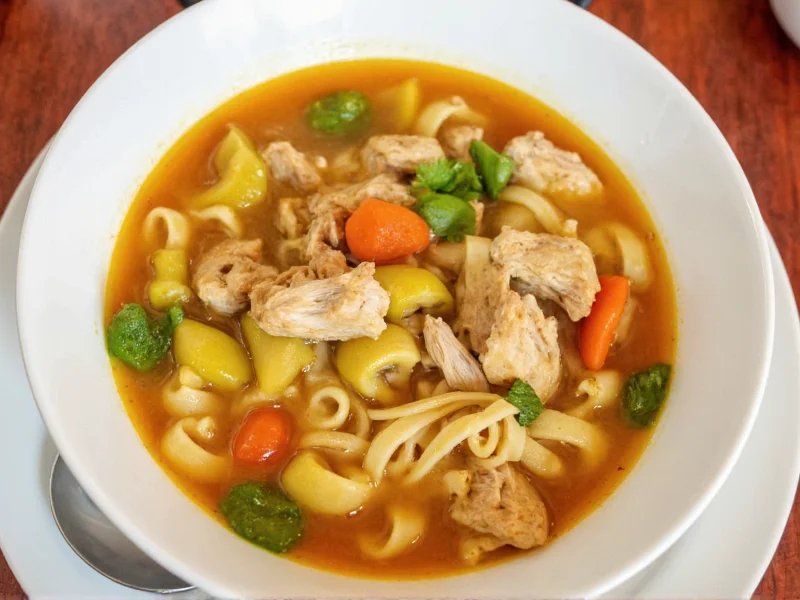
Chicken noodle soup transforms from comfort food to nutritional powerhouse when prepared with intentional ingredient choices. Unlike traditional versions loaded with sodium and refined carbohydrates, a genuinely healthy preparation supports immune function while delivering balanced nutrition. The magic happens when you combine lean protein sources with phytonutrient-rich vegetables and strategic cooking methods that preserve bioactive compounds.
The Science Behind Healthy Chicken Noodle Soup
Research shows chicken soup contains carnosine, a compound that may help regulate immune cell function during upper respiratory infections. When prepared healthfully, this classic dish provides hydration, electrolytes, and easily digestible protein—making it ideal for recovery periods. The key difference between standard and healthy versions lies in sodium content, vegetable density, and carbohydrate quality.
Historical Evolution of Chicken Soup as a Therapeutic Food
Chicken soup's documented medicinal use spans nearly nine centuries, evolving from Maimonides' 12th-century respiratory remedy recommendations to modern evidence-based applications. Key milestones include:
- 1170 CE: Jewish physician Moses Maimonides first prescribed chicken soup for asthma and Респіratory ailments in "Treatise on Asthma"
- 1930s: Jewish immigrant communities popularized "Jewish penicillin" folklore during influenza outbreaks
- 2000: University of Nebraska Medical Center confirmed anti-inflammatory effects through neutrophil chemotaxis inhibition (Rennard et al., CHEST Journal)
- 2020s: Nutritional science now optimizes vegetable composition for specific immune pathways
This timeline demonstrates how culinary tradition progressively converges with scientific validation through rigorous biochemical analysis.
Nutritional Advantages of This Recipe
| Nutrient | Healthy Version (per serving) | Traditional Version (per serving) | Health Impact |
|---|---|---|---|
| Calories | 250 | 350 | Supports weight management |
| Sodium | 300mg | 900mg | Reduces blood pressure strain |
| Protein | 25g | 18g | Promotes muscle maintenance |
| Fiber | 6g | 2g | Supports gut health |
| Vitamin A | 120% DV | 40% DV | Boosts immune function |
Building Blocks of a Nutrient-Dense Broth
The foundation of any healthy chicken noodle soup recipe starts with the broth. Commercial broths often contain 700-900mg sodium per cup—more than 30% of your daily limit. For maximum health benefits, simmer bones with apple cider vinegar for 12-24 hours. The acid extracts collagen and minerals while creating natural flavor depth. If using store-bought broth, choose low-sodium varieties and enhance flavor with umami-rich ingredients like dried mushrooms or tomato paste.
Ingredient Selection Guide for Optimal Nutrition
Chicken: Boneless, skinless chicken breasts provide lean protein without excess saturated fat. For added collagen benefits, include 1-2 bone-in pieces and remove after cooking.
Noodles: Traditional egg noodles contribute refined carbohydrates. Upgrade to whole grain varieties, chickpea pasta, or spiralized vegetables like zucchini for increased fiber and nutrient density. Cook noodles separately and add just before serving to prevent mushiness.
Vegetables: Double the standard vegetable quantity for enhanced nutrition. Carrots provide beta-carotene, celery offers apigenin (an anti-inflammatory compound), and onions contain quercetin. Add leafy greens like spinach during the last five minutes for maximum nutrient retention.
Step-by-Step Healthy Chicken Noodle Soup Recipe
Prep time: 15 minutes | Cook time: 30 minutes | Servings: 6
Ingredients:
- 1.5 lbs boneless, skinless chicken breasts
- 8 cups low-sodium chicken broth
- 2 cups chopped carrots
- 2 cups chopped celery
- 1 large onion, diced
- 3 garlic cloves, minced
- 2 tbsp fresh thyme
- 1 tbsp fresh ginger, grated
- 2 cups whole grain noodles or chickpea pasta
- 2 cups fresh spinach
- 2 tbsp lemon juice
- Salt and pepper to taste
Instructions:
- Sauté onions, carrots, and celery in olive oil for 8 minutes until softened
- Add garlic and ginger, cook 1 minute until fragrant
- Pour in broth and bring to gentle simmer
- Add chicken breasts and thyme, cook 15 minutes until chicken reaches 165°F
- Remove chicken, shred with forks, and return to pot
- Add noodles and cook according to package directions
- Stir in spinach and lemon juice during last 5 minutes
- Season with salt and pepper to taste
Dietary Modifications for Special Needs
Gluten-free: Use certified gluten-free noodles or replace with spiralized zucchini. Cook zucchini noodles separately and add at the end to maintain texture.
Lower carbohydrate: Substitute noodles with chopped broccoli florets or thinly sliced cabbage. These alternatives provide similar texture with fewer carbs and more fiber.
Higher protein: Increase chicken quantity by 50% or add 1 cup white beans during the last 10 minutes of cooking. This modification creates a more satiating meal ideal for post-workout recovery.
Contextual Limitations and Special Considerations
This recipe requires specific modifications for certain health conditions due to inherent nutritional properties:
- Kidney Disease: The high potassium content from carrots, celery, and spinach may exceed renal diet restrictions. The National Kidney Foundation recommends potassium-leaching techniques and reduced vegetable quantities for stage 3+ CKD patients
- Autoimmune Protocols: During active rheumatoid arthritis flare-ups, eliminate nightshade vegetables (tomatoes, peppers) which may trigger inflammation in 30-40% of sensitive individuals (based on NIH clinical observations)
- Post-Bariatric Surgery: Fiber content may cause obstruction during initial recovery phases; requires pureeing vegetables and using hydrolyzed protein broth for 3-6 months post-operation per ASMBS guidelines
These boundary conditions highlight why personalized medical nutrition therapy remains essential despite generalized "healthy" recipes.
Avoiding Common Healthy Recipe Pitfalls
Many "healthy" chicken noodle soup recipes fall short by:
- Using excessive sodium despite "low-sodium" claims
- Overcooking vegetables, destroying heat-sensitive nutrients
- Choosing refined carbohydrate noodles that cause blood sugar spikes
- Skimping on vegetable quantity, reducing fiber and micronutrient content
The solution lies in precise timing—add delicate vegetables like spinach at the end, use acid (lemon juice or vinegar) to enhance flavor without salt, and maintain proper vegetable-to-broth ratios. For maximum nutrient preservation, keep simmering temperatures below boiling point.
Storage and Reheating Best Practices
Store portions in airtight containers for up to 4 days in the refrigerator. For longer storage, freeze without noodles (which become mushy when frozen). When reheating, add fresh noodles to maintain optimal texture. Never boil reheated soup—gentle warming preserves nutrient integrity and prevents protein from becoming rubbery.
Why This Recipe Outperforms Store-Bought Alternatives
Commercial "healthy" soups often contain hidden sodium, artificial preservatives, and insufficient vegetable content. A recent analysis of popular brands showed 60-75% contained less than half the vegetable quantity claimed on packaging. By preparing your own healthy chicken noodle soup recipe, you control ingredient quality, maximize nutrient density, and avoid unnecessary additives while creating significantly more flavorful results.
Frequently Asked Questions
How can I reduce sodium without sacrificing flavor in healthy chicken noodle soup?
Boost flavor naturally with aromatic vegetables (onion, celery, carrots), fresh herbs (thyme, parsley), citrus (lemon juice), and umami-rich ingredients like tomato paste or dried mushrooms. Roast vegetables before adding to broth for deeper flavor. Add a splash of apple cider vinegar at the end to brighten flavors without salt.
What's the best noodle alternative for a truly healthy chicken noodle soup recipe?
Chickpea pasta provides complete protein and fiber while maintaining traditional texture. For lower carbohydrate options, try spiralized zucchini or yellow squash added at the end of cooking. Whole grain noodles offer more fiber than standard versions but still contain gluten. Cook alternative noodles separately and add just before serving to prevent texture issues.
Can I make healthy chicken noodle soup in under 30 minutes?
Yes—use pre-cooked rotisserie chicken (remove skin to reduce fat), frozen vegetable blends, and quick-cooking noodles like quinoa pasta. Sauté vegetables for 5 minutes, add broth and pre-cooked chicken, bring to simmer, then add noodles and cook according to package directions. Finish with fresh spinach and lemon juice. Total time: 25 minutes with comparable nutrition to slow-simmered versions.
Which vegetables provide the most immune-boosting benefits in chicken soup?
Garlic (allicin), ginger (gingerol), and onions (quercetin) offer potent anti-inflammatory compounds. Carrots provide beta-carotene for vitamin A conversion, while leafy greens like spinach deliver vitamin C and iron. For maximum benefit, add garlic and ginger during the last 10 minutes of cooking to preserve heat-sensitive compounds, and include dark leafy greens at the very end.
How does cooking time affect the nutritional value of homemade broth?
Simmering for 12-24 hours maximizes collagen and mineral extraction from bones, but extended cooking beyond 24 hours degrades heat-sensitive vitamins. The National Institutes of Health confirms vitamin C degradation accelerates after 90 minutes of simmering, while collagen peaks at 18 hours. For balanced nutrient retention, maintain temperatures below 180°F (82°C) and limit simmering to 12-18 hours.




 浙公网安备
33010002000092号
浙公网安备
33010002000092号 浙B2-20120091-4