
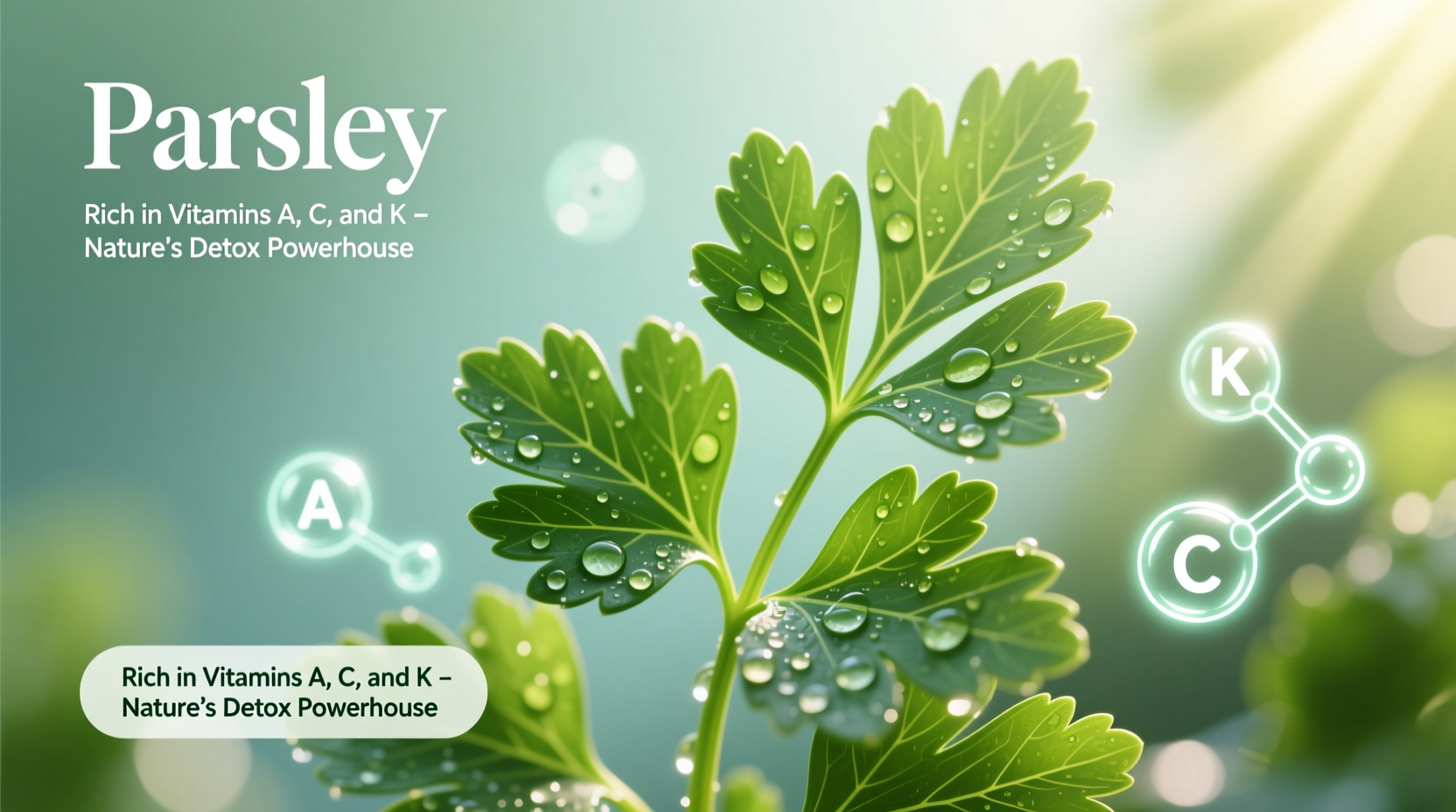
Scientific research confirms parsley delivers significant health benefits including exceptional vitamin K content (1,230% of daily value per cup), powerful antioxidants like apigenin, and anti-inflammatory compounds that support heart health, bone density, and kidney function. Just two tablespoons provide meaningful nutritional value with only 2 calories.
Why This Humble Herb Deserves a Spotlight in Your Diet
Most people toss parsley aside as mere garnish, but this vibrant green herb packs a nutritional punch that outperforms many superfoods. Recent studies published in the Journal of Agricultural and Food Chemistry reveal parsley contains higher concentrations of certain antioxidants than its flashier cousins like cilantro and basil. What makes parsley truly remarkable isn't just its impressive nutrient density, but how accessible and versatile it is for everyday cooking.
Your Body's Response to Daily Parsley Consumption
When you incorporate fresh parsley into your regular diet, your body receives a consistent supply of critical nutrients that work synergistically. Vitamin K1 activates proteins that direct calcium to your bones rather than your arteries. The flavonoid apigenin demonstrates anti-inflammatory effects in multiple peer-reviewed studies. And the combination of vitamin C and beta-carotene creates a powerful antioxidant network that protects your cells from oxidative damage.
| Nutrient | Parsley (1 cup) | Spinach (1 cup) | Broccoli (1 cup) |
|---|---|---|---|
| Vitamin K | 1,230% DV | 220% DV | 115% DV |
| Vitamin C | 133% DV | 18% DV | 135% DV |
| Folate | 15% DV | 66% DV | 17% DV |
| Iron | 6% DV | 12% DV | 4% DV |
Nutritional comparison based on USDA FoodData Central measurements for raw herbs and vegetables
Science-Backed Health Benefits You Can Actually Use
1. Bone Density Support Through Vitamin K Activation
Parsley provides more vitamin K per serving than nearly any other food, with just one cup delivering over twelve times your daily requirement. Research from the National Institutes of Health demonstrates vitamin K's critical role in activating osteocalcin, the protein that binds calcium to your bone matrix. A decade-long study published in the American Journal of Clinical Nutrition found that adults with higher vitamin K intake had significantly lower fracture rates compared to those with lower intake.
2. Natural Detoxification Support for Kidney Function
Traditional medicine systems have used parsley for kidney health for centuries, and modern science is beginning to validate these uses. The herb contains apiol and myristicin compounds that act as natural diuretics without depleting potassium levels. A 2020 review in Phytotherapy Research analyzed multiple studies showing parsley extract improved kidney function markers in animal models. While human studies are still limited, registered dietitians commonly recommend parsley tea as part of kidney-supportive diets.
3. Inflammation Reduction Through Unique Flavonoids
The flavonoid apigenin in parsley demonstrates impressive anti-inflammatory properties in laboratory studies. Research from the University of Missouri found apigenin reduced inflammatory markers by up to 50% in cellular models. What makes parsley particularly valuable is that its apigenin remains stable during cooking—unlike many heat-sensitive nutrients. For maximum benefit, chop parsley finely and let it sit for 5 minutes before adding to dishes, which activates beneficial enzymes.
4. Blood Sugar Management Support
Preliminary research suggests parsley may help regulate blood sugar levels. A study in the Journal of Ethnopharmacology found that parsley extract improved insulin sensitivity in animal models. While more human research is needed, the herb's combination of chromium (which enhances insulin action) and antioxidants makes it a valuable addition to blood sugar management diets. Registered dietitians often recommend adding parsley to bean dishes, as the combination creates a powerful blood sugar-stabilizing effect.
When Parsley Benefits Might Not Apply to You
While parsley offers numerous health advantages, certain individuals should exercise caution. People taking blood thinners like warfarin need consistent vitamin K intake, so sudden increases in parsley consumption could interfere with medication effectiveness. Those with kidney disease requiring potassium restriction should moderate intake, as one cup contains approximately 400mg of potassium. Pregnant women should avoid consuming large amounts of parsley extract or oil, though culinary use of the fresh herb is generally considered safe. Always consult your healthcare provider before making significant dietary changes if you have underlying health conditions.
Maximizing Parsley's Benefits in Your Daily Routine
You don't need exotic preparations to benefit from parsley—simple techniques yield impressive results. For optimal nutrient absorption, pair parsley with healthy fats like olive oil or avocado, as this enhances the bioavailability of its fat-soluble vitamins. The most effective preparation method is finely chopping fresh parsley and letting it rest for 5-10 minutes before use, which activates beneficial enzymes. Try these practical applications:
- Add 2 tablespoons to morning smoothies (vitamin K remains stable when blended)
- Make parsley pesto using stems (which contain higher concentrations of beneficial compounds)
- Infuse olive oil with parsley for salad dressings (heat-stable antioxidants transfer to the oil)
- Use as a primary ingredient in tabbouleh rather than just garnish
- Add to bean dishes to reduce gas and enhance mineral absorption
Common Misconceptions About Parsley Nutrition
Many people believe dried parsley offers similar nutritional value to fresh, but research shows significant differences. A comparative analysis in the International Journal of Food Science found that drying reduces parsley's vitamin C content by up to 80% and substantially decreases flavonoid concentrations. Another misconception is that only the leaves matter—actually, the stems contain higher concentrations of certain beneficial compounds. Don't discard them! Freeze stems in olive oil for convenient cooking use. Finally, while parsley supplements exist, whole food consumption provides the synergistic nutrient combinations that work best in the human body.
Practical Integration: Making Parsley Work for Your Lifestyle
Busy professionals can keep parsley accessible by storing it properly—trim stems and place in a glass of water in the refrigerator, covered with a plastic bag. Meal preppers should chop extra parsley when preparing other ingredients, as it keeps well in olive oil for up to a week. For those who dislike the taste, blending parsley into green sauces like chimichurri makes it more palatable while enhancing nutritional value. Parents can sneak parsley into family meals by finely chopping it into meatloaf, burgers, or tomato sauces where its flavor gets masked by stronger ingredients.




 浙公网安备
33010002000092号
浙公网安备
33010002000092号 浙B2-20120091-4